Lectra white paper urges talent transfer, data and AI while preserving craftsmanship
Lectra’s Observatory white paper says talent transfer, data-driven decision-making and tighter design-to-production links are the three levers to modernize product development, with thoughtful AI to protect craftsmanship.
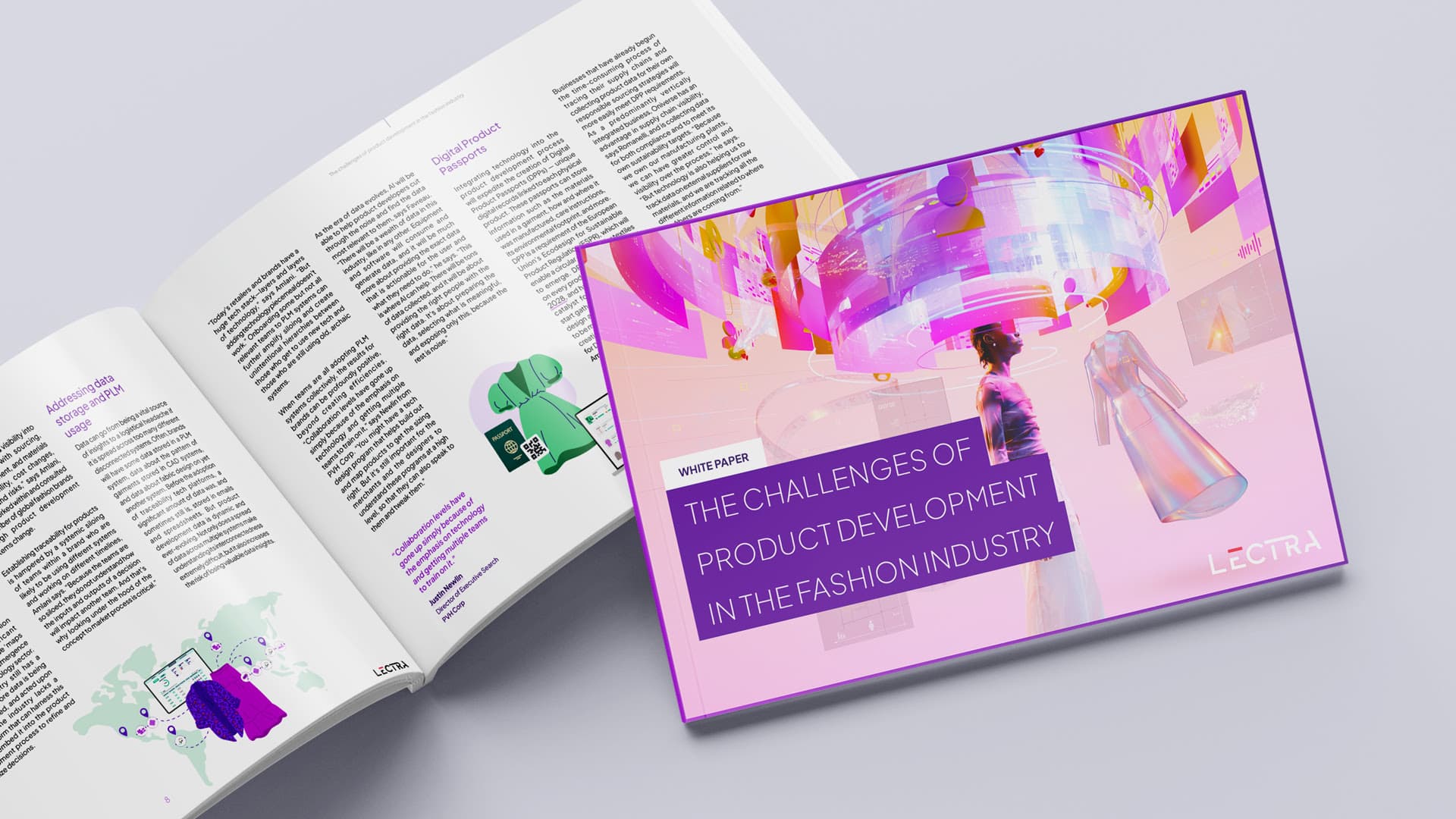
If you want product cycles that actually scale, Lectra’s Observatory names three concrete levers: talent and knowledge transfer, data-driven decision-making, and a tighter connection between design and production. The Interline summarized the white paper “The challenges of product development in the fashion industry” with a Paris dateline on March 4, 2026, and highlights the paper’s core thesis that these three factors accelerate innovation and operational excellence.
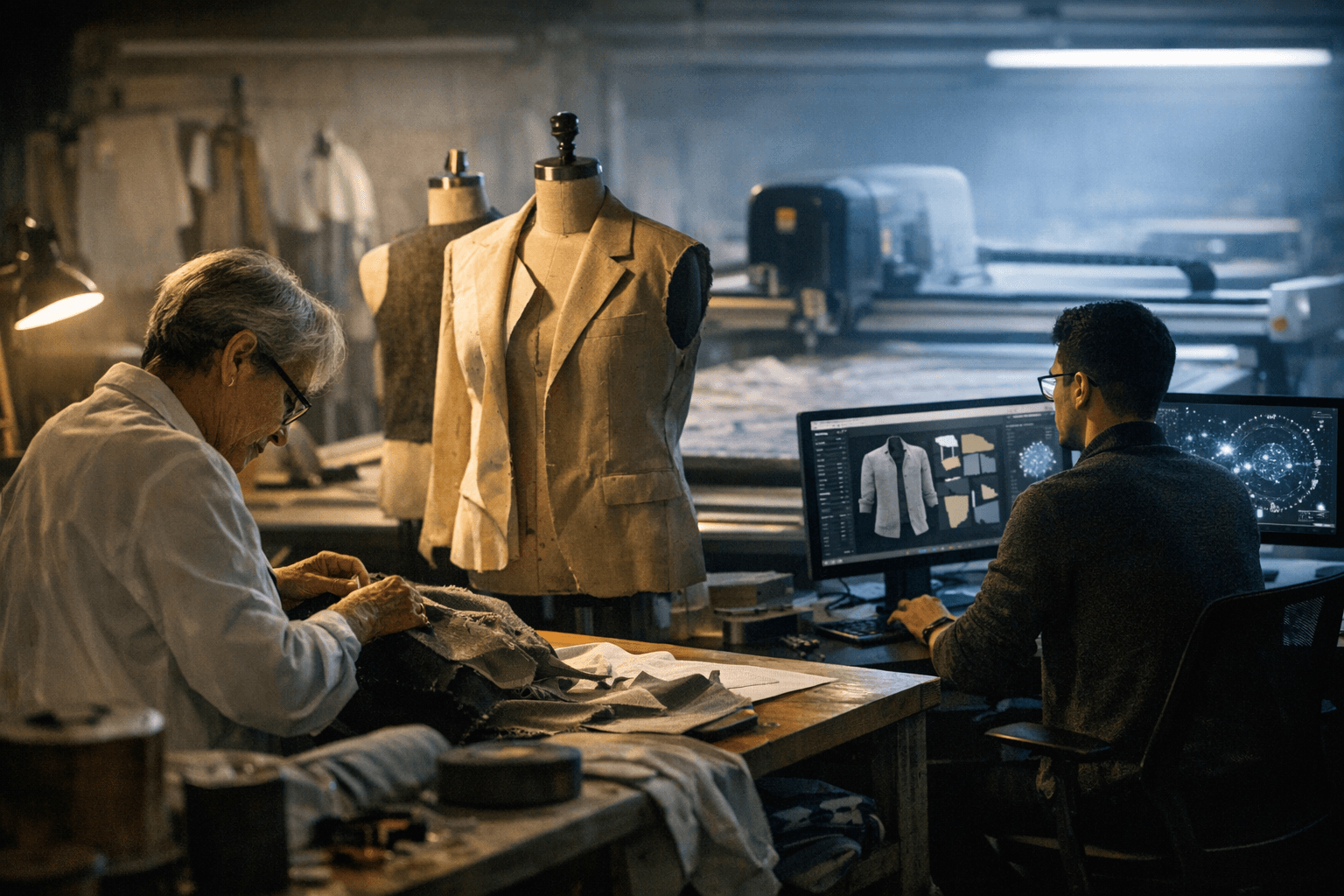
Maria Modrono is quoted in The Interline framing the Observatory’s mission: “With the Lectra Observatory, we bring together leading experts to uncover the industry’s key challenges and opportunities, and to spotlight the technologies and innovations that will help fashion players drive their transformation.” The same Interline summary runs a second Modrono line that lands like an instruction manual for design teams: “This white paper, dedicated to product development in the fashion industry, highlights the need for fashion players to adopt technology in ways that support both new and experienced teams, preserving craftsmanship while making workflows more intuitive. Companies that integrate AI thoughtfully with existing tools are already building more resilient, future-ready organizations.”
Lectra set the Observatory up to mark the Group’s 50th anniversary and announced the initiative in a Dec. 11, 2023 press release titled “Lectra launches the Observatory of innovation and transformation in the fashion, furniture and automotive markets.” That release named the first white paper, “The rise of Industry 4.0 boosts manufacturing efficiency,” and listed contributors including Porsche Consulting, Tesca, Leisure Creations and Valerius Texteis, plus Dorothée Kohler and Jean-Daniel Weisz of consultancy Kohler. Lectra positions itself as a technology supplier across software, cutting equipment for fabric and leather, data management solutions and associated services; the press release quoted Maria Modroño saying the Observatory’s role is to help customers “benefit from new opportunities for growth” through industrial intelligence solutions.
The Observatory has already worked across markets. SPESA posted a Jan. 17, 2025 summary of a furniture-market white paper titled “Sustainable upholstery furniture: what strategies and technologies?” and named contributors such as David Pambianco (CEO, Pambianco Strategia di Impresa), Nicola Coropulis (CEO, Poltrona Frau), Cindy Hodnett (Executive Editor, Brand Development at BridgeTower Media), Ovidijus Jalonskis (CEO, Vilmers), Pan Chaoping and Tu Jiahui (Kuka Home), Steve Kooy (Technical Director Health and Sustainability, BIFMA) and Clémentine Mitard-Manteau (Product Marketing Director, Lectra). SPESA’s post, updated July 14, 2025, framed that furniture white paper as the second in a sustainability series across Lectra’s markets.
Distribution and framing matter here. Lectra says all Observatory white papers will be made available free of charge online to “encourage discussion and the emergence of new collaboration opportunities.” That pledge sits alongside a counting glitch: The Interline describes the product-development paper as the fourth white paper dedicated to fashion, while SPESA and Lectra materials present the Observatory’s output as a cross-market series with the furniture paper labeled the second sustainability publication. The public record supplied here does not reconcile that difference in numbering.
For designers, product directors and operations leads the white paper’s prescription is simple and specific: transfer institutional knowledge, bake data into decision loops, and close the loop between studio and factory while using technology to augment, not erase, craft. Maria Modrono’s closing line in The Interline is the practical kicker: “Companies that integrate AI thoughtfully with existing tools are already building more resilient, future-ready organizations.”
Know something we missed? Have a correction or additional information?
Submit a Tip