Swap and Repair Pop-Up Playbook Gives Organisers Measurable Waste KPIs
A ready-to-run playbook helps organisers measure impact—track items diverted (kg) and repairs completed—and run swaps that refresh wardrobes, build community, and cut textile waste.
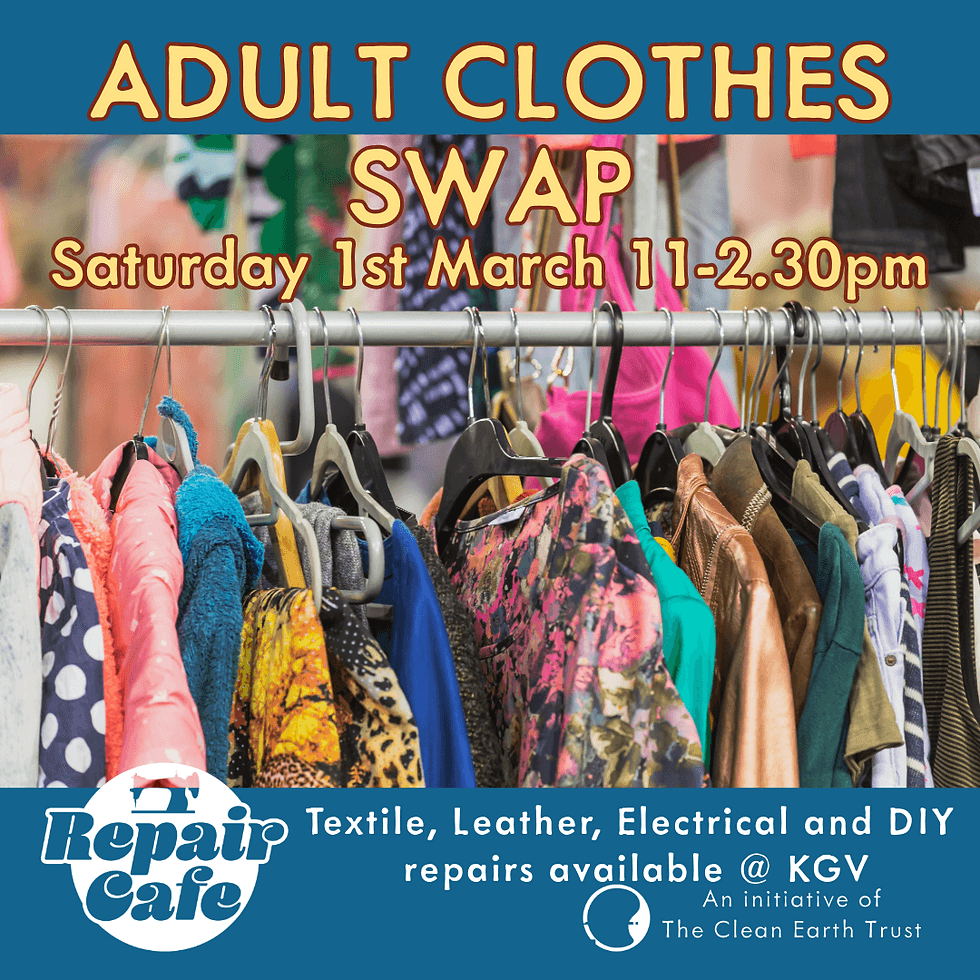
Why swaps actually change things Clothing swaps are not just feel-good parties; they are practical interventions that keep textiles moving, not rotting. A compact playbook for organisers positions swaps and repair pop‑ups as measurable waste‑reduction events: define objectives and KPIs upfront to show impact. As one guide puts it plainly, "Reuse and Recycle: Instead of tossing out items you no longer wear, you pass them along to someone who might love them." That’s the core outcome—fewer garments in landfill and more garments back in circulation.
Case study: Radical Clothes Swap, Los Angeles If you want a real-world template, look to Radical Clothes Swap. Co‑founder Emanda Ceccia describes a low‑barrier, high‑energy model: "Radical Clothes Swap is a pop-up space where you can donate and swap your unwanted gently used clothing in Los Angeles." The project began as a fashion swap service in 2018, the founders officially joined forces in January 2022, and it has since become a 501(c)(3). Their first pop‑up in Pomona combined bands, vendors and gallery‑style art—proof that swaps can be social, cultural and service‑driven simultaneously. Operationally, the mechanics are simple and replicable: bring a bag of any size, pay a $10 flat fee (sliding scale offered), and fill the bag with as many items as you can carry. Crucially, they "never turn away anyone who is in need of clothes," and staff honor requests for specific items "no questions asked," a standard that builds trust—"Building trust with our community has been the most rewarding," as another organiser put it.
The measurable playbook: KPIs you must define Start by naming what success looks like. The playbook’s checklist opens with: "Define objectives & KPIs: items diverted (kg), number of repairs completed, new r"—the third metric in that excerpt is truncated, so confirm the full list in your copy of the playbook. But the two clear, actionable metrics are gold for organisers: track weight diverted (kg) to quantify landfill avoidance and count repairs to show durability interventions. These metrics let you report a concrete environmental headline—kilograms diverted and repairs completed—rather than vague claims about "reducing footprint."
Choosing venue, scale and format Swaps flex to your scale and mood. You can host a rails‑and‑wine evening in a living room or stage a full‑scale ticketed pop‑up with music and vendors; Hubbub’s advice nails the range: "They can be as big or as small as you want, from a pop up in your living room with mates, to a full-scale evening event with tickets and party vibes." For public events, scout parks, community centres or partner with a local business; for workplace reuse, consider a permanent swapping rail. Practical gear—clothing rails and hangers—matters, as does an accessible footprint so people can browse garments without feeling rushed.
Programming that elevates style and retention Treat the swap like a mini festival: add a repair table, an upcycling workshop or a short screening to extend dwell time and skill‑share. Ayerhsmagazine suggests "DIY Upcycling Workshop: Invite a local expert to teach how to upcycle clothes. Simple projects like turning old jeans into stylish shorts can inspire creativity." Radical Clothes Swap’s Pomona event proved how a curated mix—bands, vendors, artists—turns a swap into a platform for creators and networking. These extras keep people coming back and create shareable moments that raise the profile of your event.
Accessibility, pricing and inclusion Design your pricing to fit your community. Models vary: Radical Clothes Swap charges a $10 flat fee with a sliding scale and explicitly "never turn[s] away anyone who is in need of clothes." Other organisers run free swaps, workplace rails, or ticketed parties—choose what suits your budget while protecting access. Build a simple no‑questions policy for requests and consider a small volunteer fund or sponsor to cover those who can’t pay; that’s how you keep swaps generous and non‑stigmatizing.
Promotion, community and post‑event life Promotion needn’t be complicated: use your friend group chat, Facebook groups, Instagram hashtags and posters if you’re recurring. Hubbub recommends creating a WhatsApp or Facebook group "to keep everyone in the loop about upcoming swaps and what (or what not) to bring!" After the event, keep the conversation alive with "Swap Reviews: Create a shared online group or forum where participants can post reviews or photos of their new finds"—a tactic that drives repeat attendance and social proof. Parentsforclimate shows the payoff of repetition and seasonality: their sixth swap was scheduled for "Saturday, 28th September" at a sustainability festival, and organisers add a "seasonal focus" to reduce leftovers at the end.
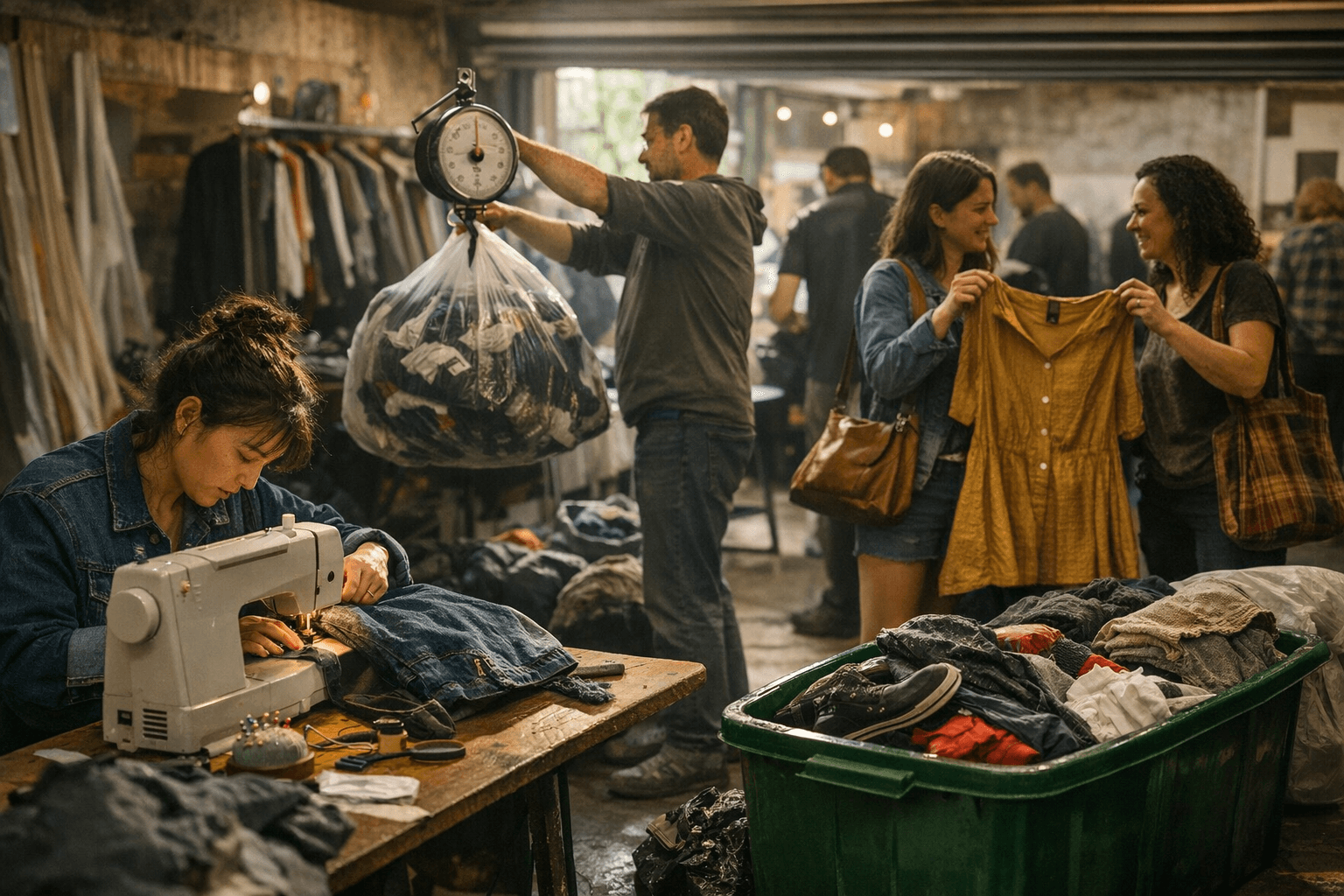
Triage: what to do with leftovers Not every garment will find a new home. Have a plan: if items are "slightly worse for wear, make sure they end up at a textiles recycling bank instead of the bin," advises Hubbub. Map local textile recycling banks in advance and share that information with volunteers so post‑event collection is swift. For badly damaged items, partner with local recyclers or social enterprises that accept textiles for industrial reuse.
Data capture: simple ways to measure impact Measuring kilograms diverted and repairs completed doesn’t require industrial scales or a research team—start simple. Set up a weighted collection point at drop‑off and weigh the unsorted haul; record the repaired garments on a tally sheet at the repair table. Tag volunteers with clear responsibilities: one person records weights, another counts repairs, and a volunteer photographer documents numbers and moments for your post‑event report. The playbook’s explicit KPI language—items diverted (kg) and number of repairs completed—gives you a headline metric and a behavior change metric to report to partners and funders.
Sample event flow (quick sequential guide) 1. Define objectives and KPIs, and confirm whether you’ll use a pricing model (sliding scale option advised). 2. Secure a venue and basic equipment—rails, hangers and a repair station. 3. Publicize via chats, Instagram hashtags and local groups; set up a WhatsApp/Facebook group for repeat attendees. 4. Run the swap with a triage station for damaged goods and a repair table; weigh diverted textiles and tally repairs. 5. After the event, post "Swap Reviews," plan the next date and arrange textile recycling for leftovers.
Styling the swap: how to make it feel like fashion, not charity Presentation matters. Folded denim, colour‑sorted rails and a few curated racks—plus lighting and a playlist—turn rummaging into discovery. If you want to attract style‑minded participants, invite a local stylist to select standout pieces for a small display or offer quick styling stations. These touches make secondhand feel covetable and keep the mood celebratory rather than caritative.
Final word Swaps and repair pop‑ups can be both stylish and accountable: define your KPIs, plan the logistics, and show donors, partners and participants the kilos diverted and repairs completed. Small events—from a living room rail to a festival pop‑up—add up when they’re run with measurement in mind; as one guide urges, "Reduce your fashion footprint one swap at a time!" Make the next swap a reportable success and you’ll change wardrobes and waste streams with equal confidence.
Know something we missed? Have a correction or additional information?
Submit a Tip