Lee's ruling party wins local sweep but loses Seoul mayor race
Lee Jae Myung’s party swept 12 of 16 local races, but Oh Se-hoon held Seoul, turning a national win into a warning from the capital.

South Korea’s ruling Democratic Party won a broad local sweep on June 3, taking 12 of 16 metropolitan mayoral and provincial races, but the result was complicated by Oh Se-hoon’s victory in Seoul, the country’s most symbolic political battleground. The capital’s loss denied President Lee Jae Myung a clean mandate at the end of his first year in office and left the ruling camp with a triumph that was national in scale but uneven in political meaning.
The Seoul race was close from the start of counting, with Oh leading Democratic challenger Chong Won-o by a razor-thin margin before the result solidified. Oh’s win gave him a fifth term as mayor and preserved conservative control of a post that has often served as a national barometer. He had reclaimed Seoul in a 2021 by-election and then won a landslide in the 2022 local elections, underscoring how much the city can swing the political mood well beyond its borders.
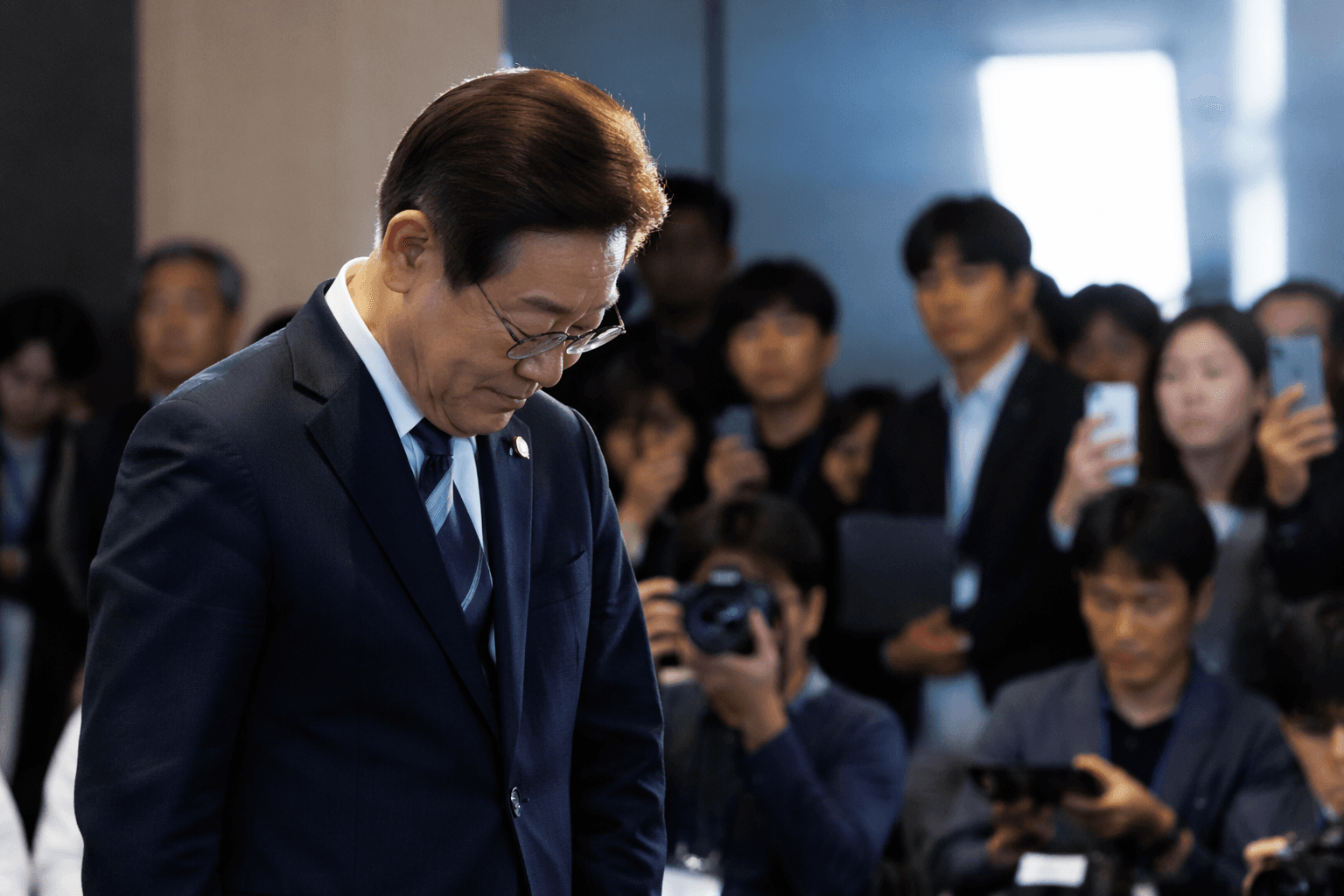
The Democratic Party’s stronger showing elsewhere offset some of the disappointment in the capital. The party reclaimed Busan, South Korea’s second-largest city and a conservative stronghold, ending eight years of conservative rule there. Chun Jae-soo defeated incumbent Park Heong-joon by 50.52 percent to 47.9 percent, a result that suggested Lee still retains significant support in regions that had been hostile to his camp. Other fiercely contested races included Ulsan and South Gyeongsang Province, while the vote was held alongside by-elections in 14 National Assembly constituencies, broadening its significance as a national political test.
Lee acknowledged the message from the ballot box at a senior-secretaries meeting at the presidential office on June 4, saying he would humbly accept the public’s will and cooperate with local governments regardless of party affiliation. Democratic Party leader Jung Chung-rae called the result a major victory nationwide, but the failure to retake Seoul exposed a limit: the ruling party’s reach remains broad, yet its support in the urban center most likely to signal the next backlash appears thinner than the scale of its national gains suggests.
The election also unfolded under scrutiny after a ballot-paper shortage triggered public anger, protests at a Seoul district and an investigation by the National Election Commission. Voting at some affected sites was extended after voters were forced to wait hours or leave without casting ballots. For Lee, whose political standing had been helped by a record KOSPI, an AI chip boom and reform-minded economic messaging, the local sweep confirmed strength. Seoul, however, ensured the verdict was split.
This article was produced by Prism’s automated news system from verified source data, official records, and press releases, then run through automated quality and moderation checks before publishing. The system is built and supervised by the people who set the standards it runs under. Read our full AI policy.
Know something we missed? Have a correction or additional information?
Submit a Tip