Liberal Group Links Senate Republicans to Potential Trump Supreme Court Reshaping
Demand Justice launched a campaign linking Senate GOP candidates to potential Trump SCOTUS picks that could deepen the court's 6-3 conservative majority.
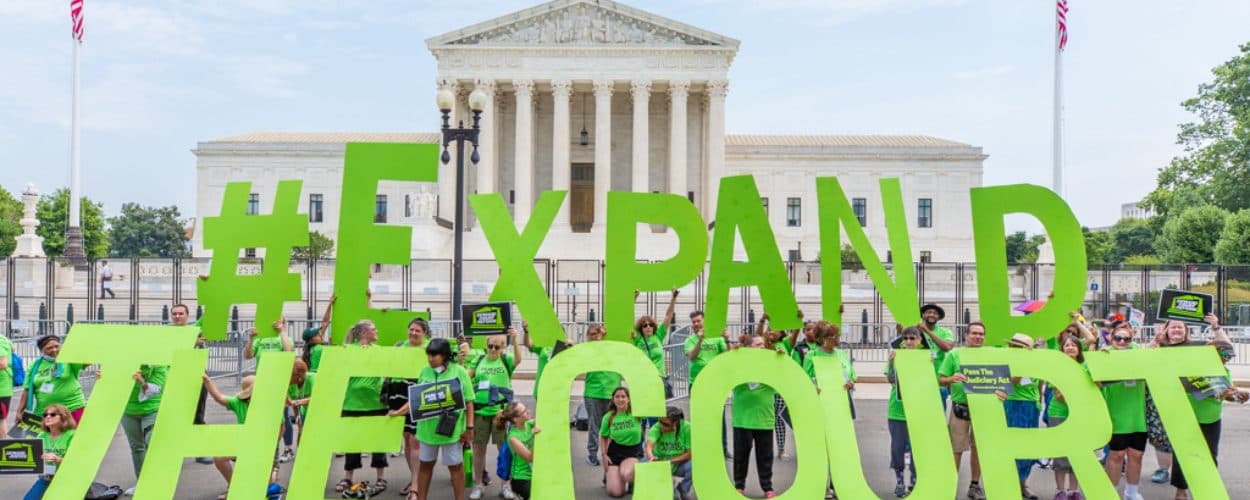
Demand Justice, the liberal judicial advocacy group founded by Brian Fallon in 2018, launched a campaign to tie Republican Senate candidates to the prospect of Donald Trump reshaping an already conservative-dominant Supreme Court with potentially two additional appointments.
The effort targeted Senate battleground states with advertising and political pressure campaigns, framing Republican candidates as enablers of a more extreme court. Because the Senate holds sole confirmation power over nominees, Demand Justice positioned the chamber's partisan composition as the decisive variable in any future vacancy scenario.
At the heart of the campaign were the ages of two senior conservative justices. Clarence Thomas, born in June 1948 and the court's oldest sitting member, had served since his appointment by President George H.W. Bush in 1991. Samuel Alito, born in April 1950, joined the court following his 2006 appointment by President George W. Bush. A Trump replacement of either or both would likely entrench the court's existing 6-3 conservative supermajority for another generation.
That supermajority was itself the product of Trump's three first-term appointments: Neil Gorsuch, confirmed in April 2017 to fill the seat vacated by the death of Justice Antonin Scalia; Brett Kavanaugh, confirmed in October 2018 to replace retired Justice Anthony Kennedy; and Amy Coney Barrett, confirmed in October 2020 to replace the late Justice Ruth Bader Ginsburg just weeks before the 2020 election.
The campaign arrived against a backdrop of sustained liberal alarm over the court's direction since June 2022, when the six conservative justices overturned Roe v. Wade in Dobbs v. Jackson Women's Health Organization. The opinion, authored by Alito, ended a constitutional right to abortion that had stood for nearly 50 years since the 1973 Roe decision. The ruling transformed Supreme Court composition into a first-tier political issue and galvanized groups like Demand Justice going into the 2024 cycle.
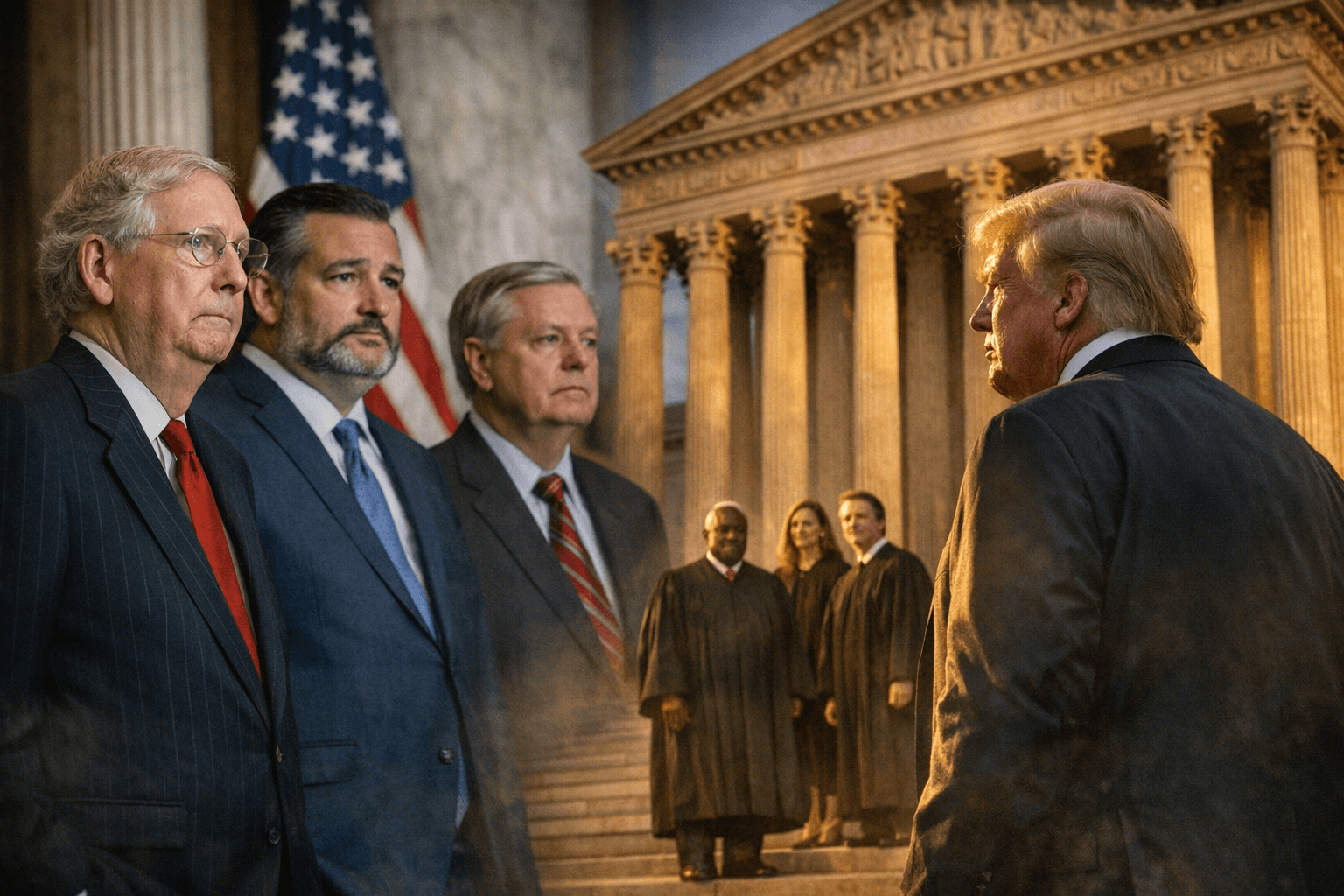
The organization had already signaled how seriously it views vacancy timing: Demand Justice publicly called on Justice Sonia Sotomayor, the Obama appointee born in June 1954, to retire while President Biden remained in office. Sotomayor declined to commit to any retirement timeline.
Fallon, a former spokesman for Hillary Clinton's 2016 presidential campaign and a former Department of Justice spokesperson, founded Demand Justice as part of a broader ecosystem of liberal legal advocacy groups that emerged after Senate Republicans' 2016 decision to block Obama nominee Merrick Garland from receiving so much as a confirmation hearing. Then-Majority Leader Mitch McConnell held the seat vacant for nearly a year until Trump filled it with Gorsuch after the 2016 election, a maneuver that progressive court-watchers widely credit with redrawing Supreme Court confirmations as explicit partisan warfare.
Democrats held a narrow Senate majority heading into the 2024 cycle while facing a challenging electoral map. Demand Justice's campaign rested on the argument that protecting that majority was inseparable from protecting the court's ideological balance for the next generation.
This article was produced by Prism’s automated news system from verified source data, official records, and press releases, then run through automated quality and moderation checks before publishing. The system is built and supervised by the people who set the standards it runs under. Read our full AI policy.
Did this article answer your question?

