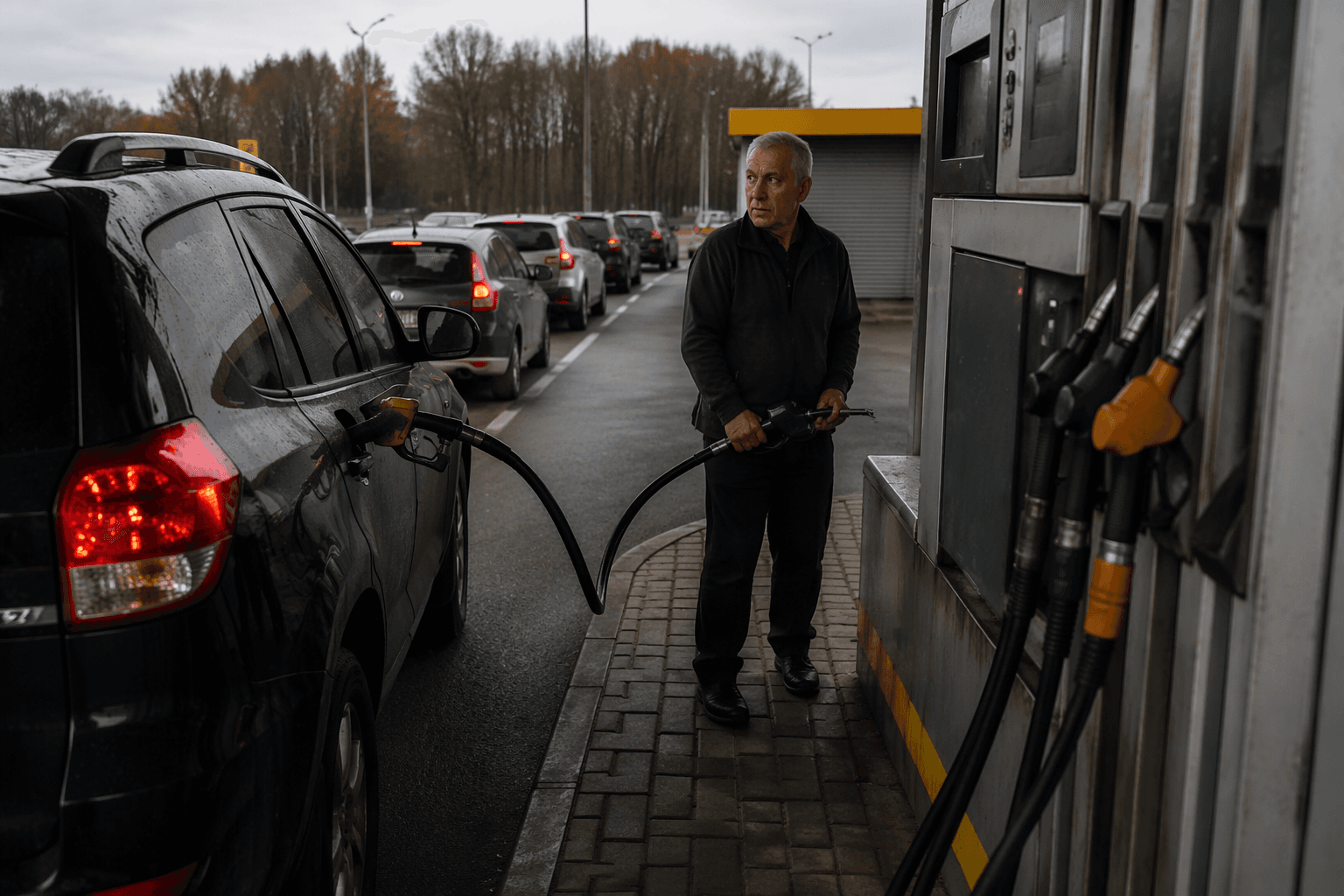
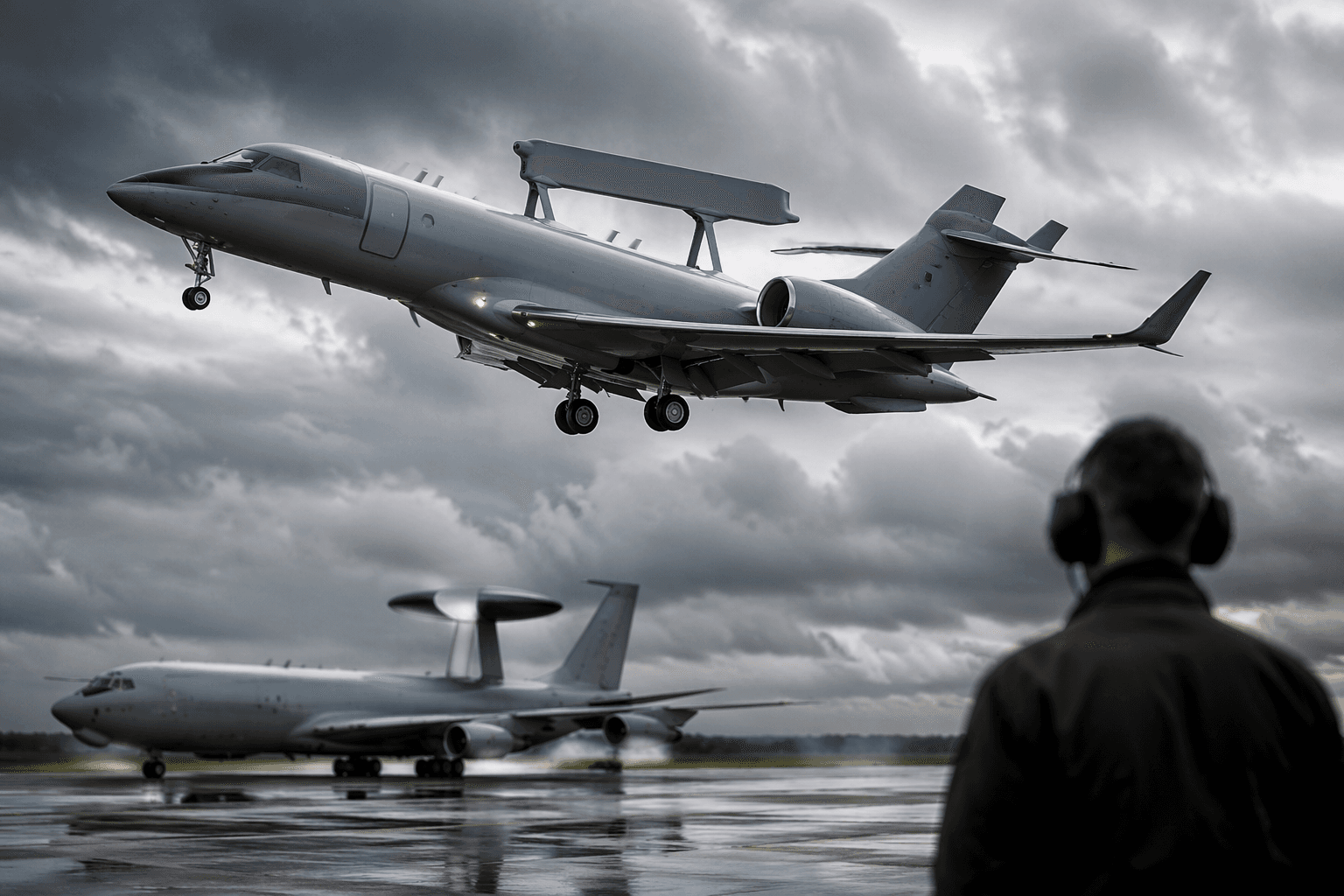
Libyan Army Chief Killed in Plane Crash Near Ankara
Libya’s army chief Mohammed Ali Ahmed al Haddad died along with senior officers and crew when a Dassault Falcon 50 crashed near Ankara while returning from defence talks. The deaths deepen uncertainty in Libya’s fragile security landscape and prompt an urgent Turkish investigation into the cause and passenger manifest.
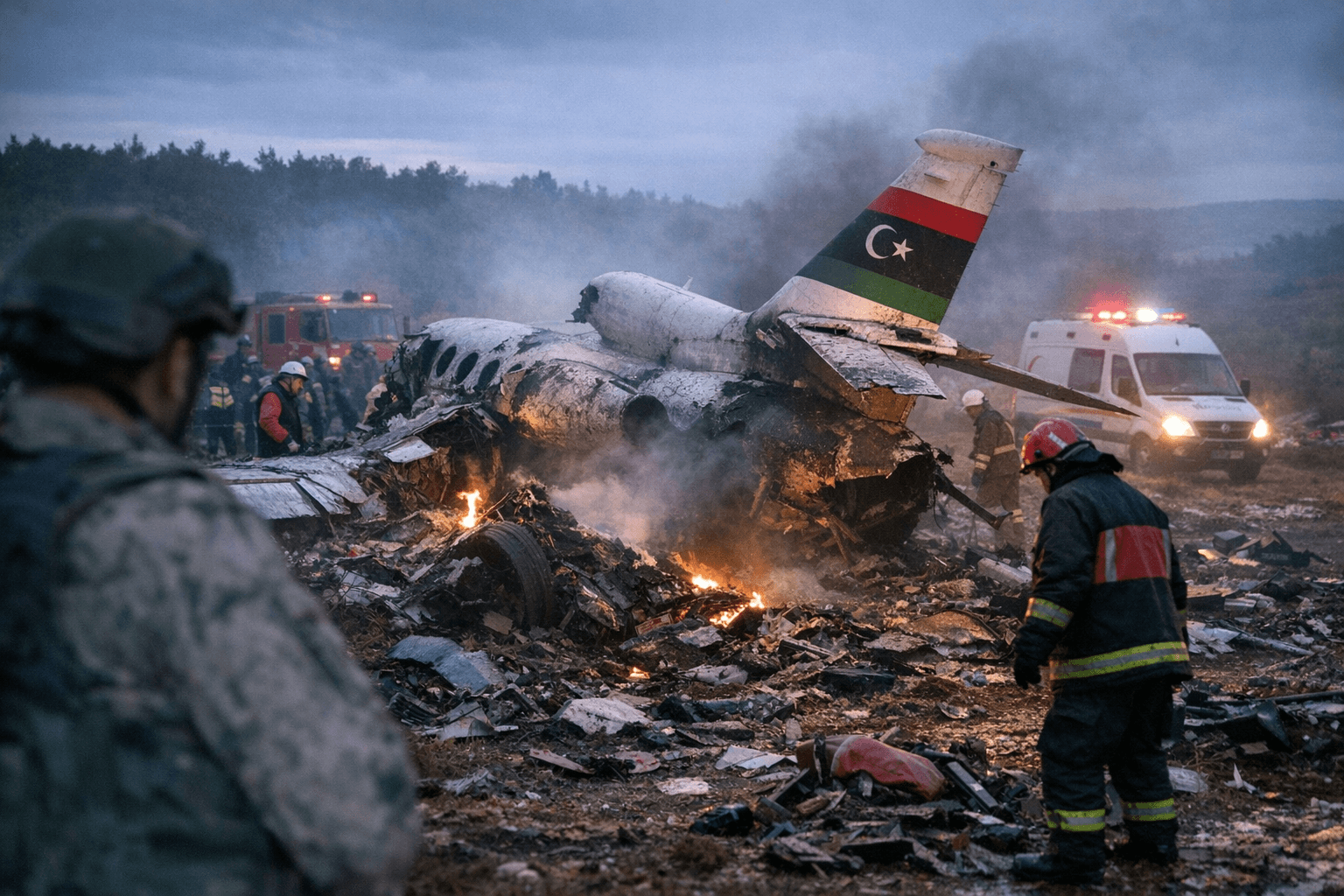
Libya’s chief of the general staff, Lieutenant General Mohammed Ali Ahmed al Haddad, was killed along with other senior military officers and crew when a private jet crashed near Ankara on December 24, 2025, Turkish and Libyan officials said. The Dassault Falcon 50 went down shortly after departing Ankara, with debris located near the village of Kesikkavak in the Haymana district, Turkish authorities reported as recovery teams moved to secure the site.
Prime Minister Abdul Hamid Dbeibeh confirmed al Haddad’s death and described the incident as a “tragic accident” and “a great loss” for Libya. Officials said the delegation had been in Ankara for high level defence and security talks aimed at strengthening military cooperation, including meetings with Turkey’s defence officials. Turkish state media said search teams were intensifying efforts amid heavy rain and fog to recover wreckage and to locate the aircraft’s flight recorders.
Details about how many people were on board remain inconsistent across reports. Several outlets listed al Haddad and four others as passengers, while at least one account said the jet carried four senior officers and three crew members, totalling eight people. Turkish and Libyan authorities have not yet published a consolidated passenger and crew manifest, and officials cautioned that numbers remained subject to confirmation as recovery continued.
The cause of the crash was not immediately clear. Turkish investigators opened an accident inquiry and began on site work to recover the flight data and cockpit voice recorders. Libyan officials and some media accounts cited a technical malfunction as a possible cause, and a local outlet reported an electrical failure, a claim that has not been corroborated by Turkish authorities or by independent investigators. Officials stressed that a definitive determination will depend on analysis of the recorders and wreckage.
Al Haddad had been the top military commander in western Libya and a central figure in efforts to unify the country’s fractured armed forces under United Nations mediated talks. His death removes a senior architect of those efforts at a moment of fragile political balance. Analysts said the immediate effects are likely to include uncertainty within Libya’s chain of command and renewed jockeying among military and political actors over leadership and cohesion.
The crash also arrives against a broader regional backdrop. The accident occurred a day after Turkey’s parliament extended the mandate for Turkish forces in Libya by two years, underscoring Ankara’s continuing role in Libyan security arrangements and the strategic importance of ties between the two countries. Turkish investigators have said they will cooperate with Libyan counterparts as the probe proceeds.
What remains to be confirmed are the final passenger list, an authoritative casualty tally, and the technical explanation that will emerge from the accident investigation. For Libyan leaders and international mediators, the priority will be stabilising military command and ensuring transparent, rapid conclusions from the Turkish inquiry to prevent further destabilisation in an already volatile security environment.
This article was produced by Prism’s automated news system from verified source data, official records, and press releases, then run through automated quality and moderation checks before publishing. The system is built and supervised by the people who set the standards it runs under. Read our full AI policy.
Did this article answer your question?