Lightning strikes kill at least 14 across Bangladesh as storms sweep through
Lightning storms killed 14 across seven Bangladeshi districts, with farmers and laborers hit in open fields as more thunderstorms were forecast.
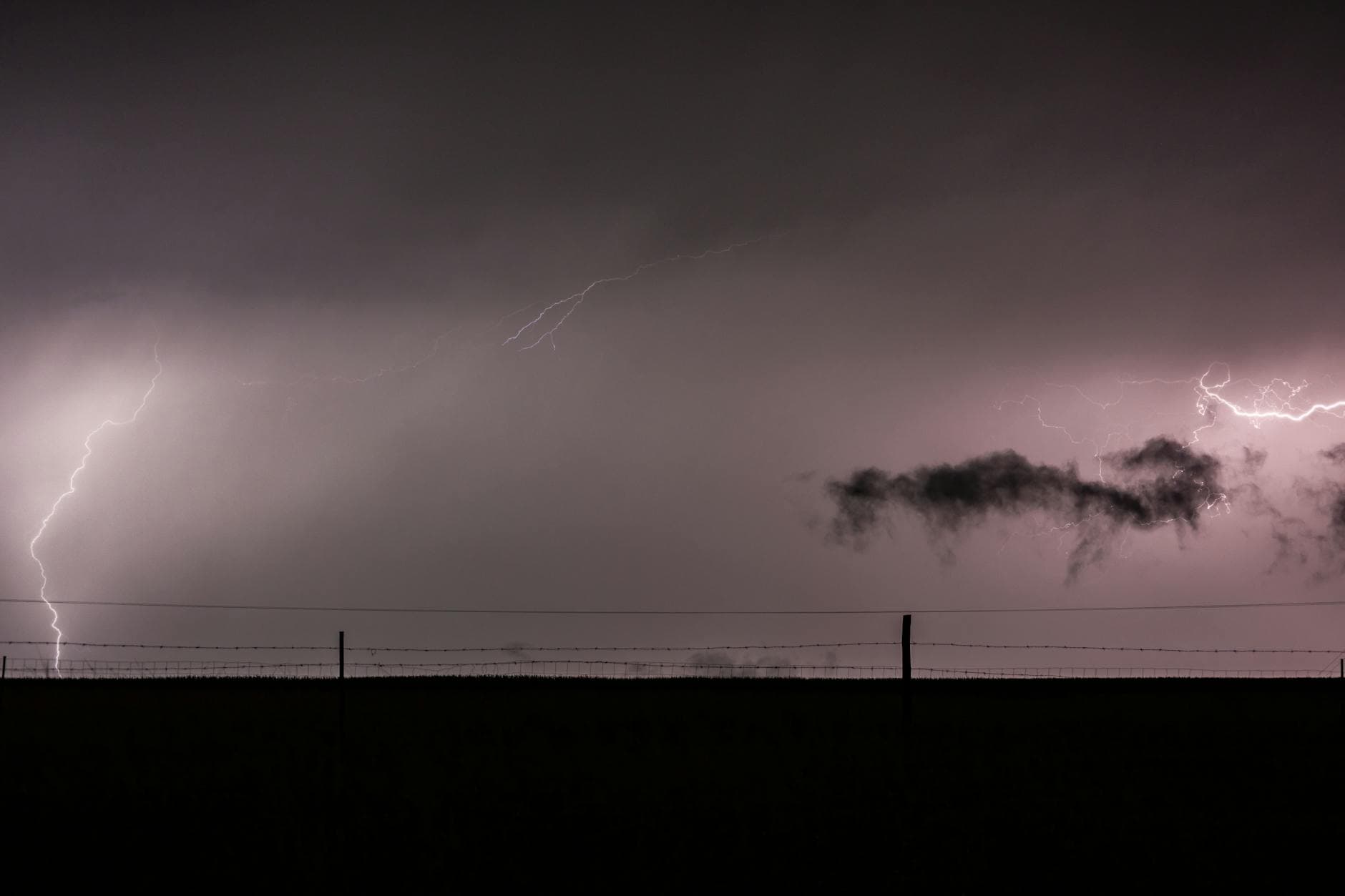
Lightning strikes killed at least 14 people across Bangladesh as severe thunderstorms swept through the country, exposing once again how a familiar seasonal hazard can turn deadly in minutes for people who work and travel outdoors. The deaths, spread across multiple districts, underscored a recurring failure of warning systems, shelter access and public protection just as another round of storms was forecast.
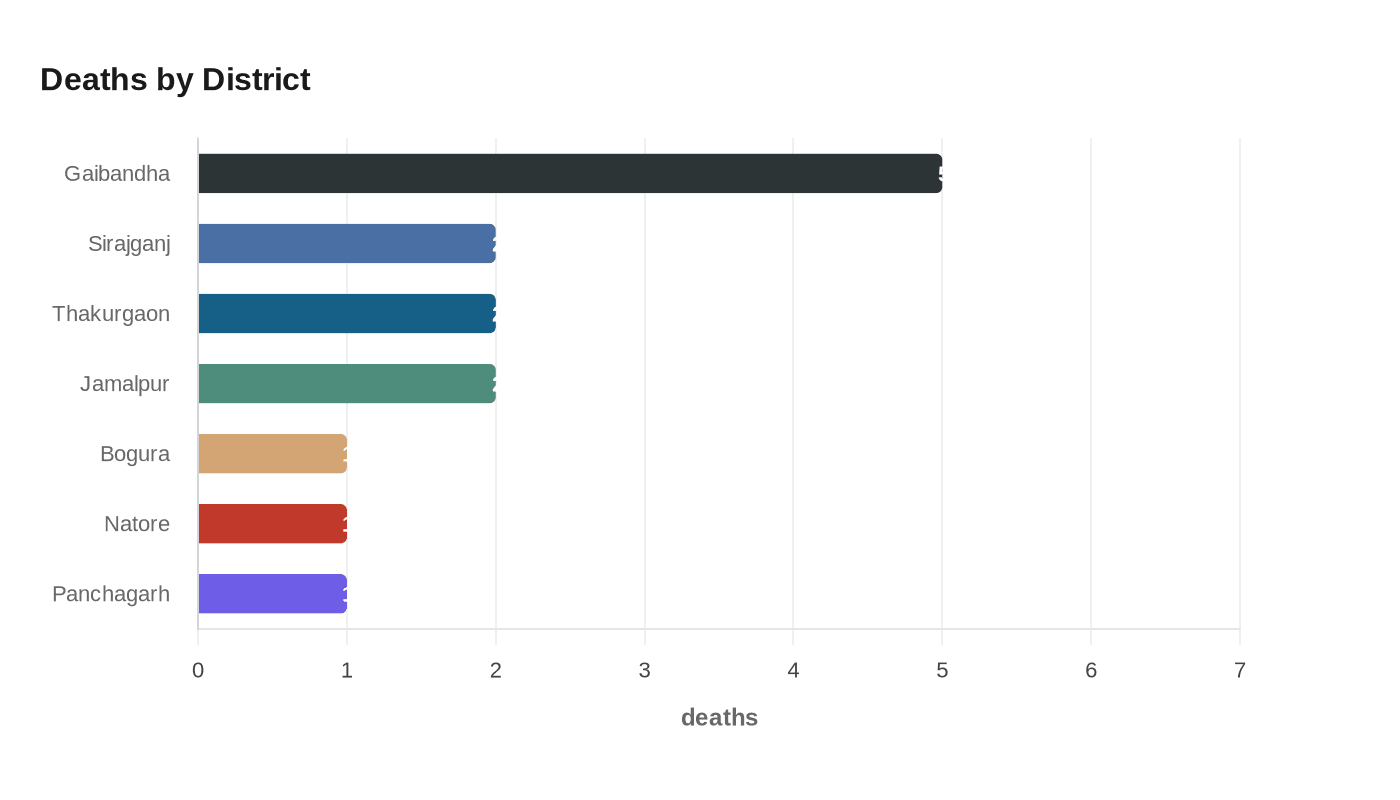
The worst toll was reported in Gaibandha, where five people died. Two deaths each were recorded in Sirajganj, Thakurgaon and Jamalpur, while Bogura, Natore and Panchagarh each reported one fatality. At least 12 other people were injured. Forecasts for 27 to 28 April warned of moderate thunderstorms with lightning across the country, keeping much of Bangladesh under threat even after the initial wave of deaths had passed.
Most of the victims were farmers working in open fields and laborers caught in exposed areas when the storms struck. One of the dead was a 10-year-old boy, a reminder that lightning in Bangladesh does not only menace agricultural workers but can hit anyone left outside when the sky turns fast and violent. The timing is especially dangerous in the pre-monsoon months from April to June, when thunderstorms move quickly and leave little time to seek shelter.
Bangladesh made lightning strikes an official disaster in 2016 after a deadly surge that killed more than 200 people in May of that year, including 82 in a single day. That move opened the door to government compensation for victims’ families, but it also reflected the scale of the crisis: lightning has continued to kill hundreds of people a year. Health and climate researchers have documented 3,273 lightning deaths in the country between 2010 and 2020, while earlier government data showed 1,476 deaths since 2010 by mid-2016.
Experts have linked the rising toll to deforestation and weather changes associated with a warming climate, but the immediate problem remains brutally local. People in open fields, haor wetlands and river areas are still among the most exposed when storms arrive, and the deaths in Gaibandha, Sirajganj, Thakurgaon, Jamalpur and the other affected districts show how easily a short-lived storm can become a national tragedy. Without better alerts, safer shelter and stronger protection for outdoor workers, the same pattern is likely to repeat each pre-monsoon season.
This article was produced by Prism’s automated news system from verified source data, official records, and press releases, then run through automated quality and moderation checks before publishing. The system is built and supervised by the people who set the standards it runs under. Read our full AI policy.
Did this article answer your question?


