Linkerbot Seeks $6 Billion Valuation as Robotics Hand Demand Surges
Linkerbot says it already controls more than 80% of the market for dexterous robotic hands as it seeks a $6 billion valuation.
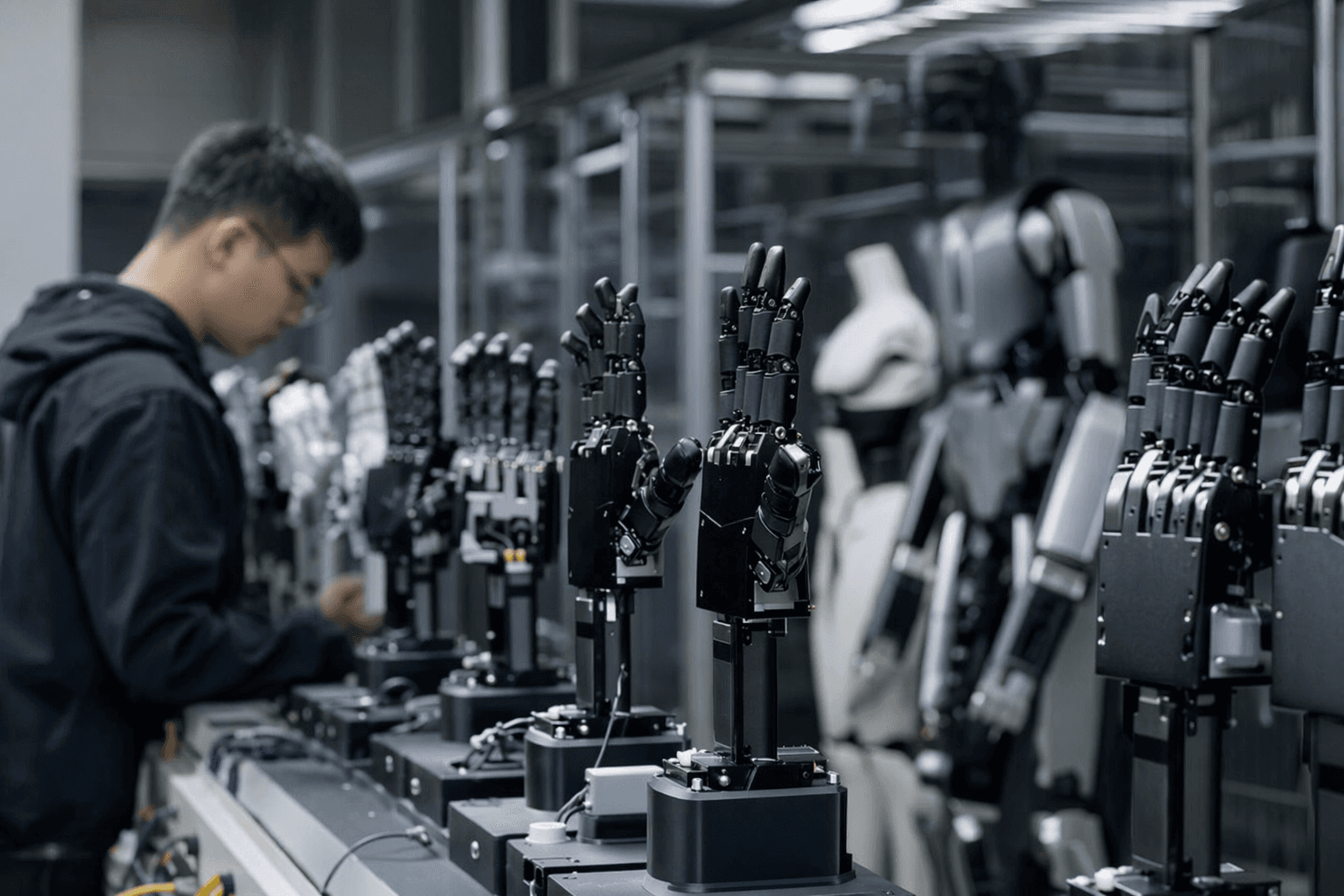
Linkerbot’s claim to control more than 80% of the global market for highly dexterous robotic hands puts a little-known component at the center of a much larger contest over manufacturing, embodied AI and industrial power. The Beijing-based startup is seeking a $6 billion valuation in its next financing round, after closing a Series B+ round that priced it at $3 billion.
The company’s investor list shows how much capital is chasing strategic hardware in China. Backers include Ant Group, HongShan Group, Zhongguancun Science Park Fund, Bank of China Asset Management and Fosun Capital. That mix of private money, state-linked capital and financial institutions suggests that dexterous robotics is no longer being treated as a niche research project, but as a sector with national industrial significance.
Chief executive Alex Zhou said Linkerbot plans to increase production to 10,000 units a month from about 5,000 now. That target matters because it signals a move beyond laboratory prototypes and early industrial adopters. In robotics, the hand is not a cosmetic feature. It is the part that determines whether a machine can actually sort, assemble, handle and manipulate objects with enough precision to be useful at scale.
That is why the market for robotic hands has become a strategic chokepoint. A robot can move and lift, but without hands precise enough to mimic human dexterity, it cannot reliably grasp the kind of objects that factories, warehouses, hospitals and service environments require. The same capability is also central to prosthetics, where fine motor control can shape independence and quality of life, and to defense-adjacent robotics, where machines must handle unpredictable terrain and delicate tasks with reliability.
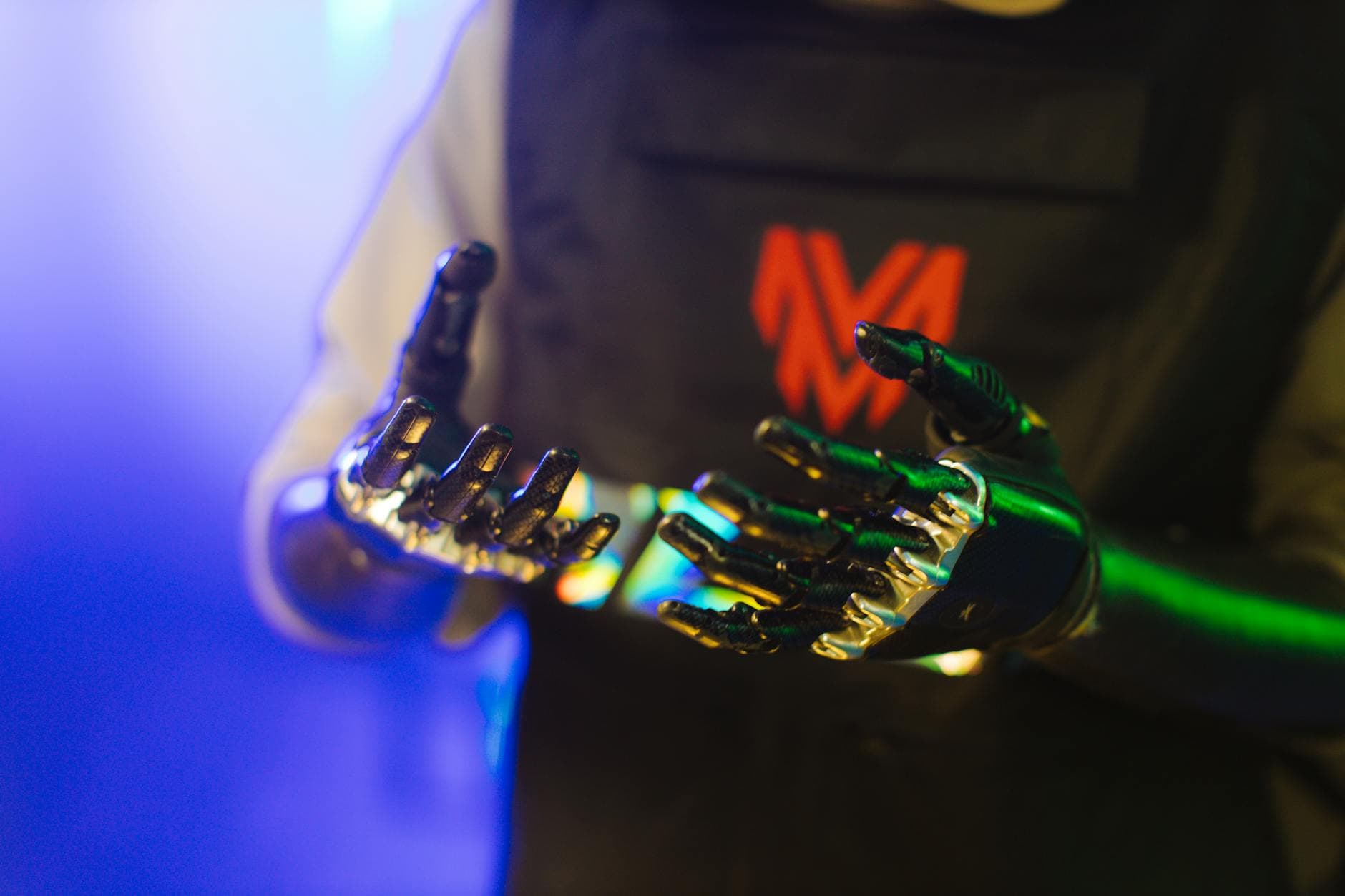
Linkerbot’s rise also underscores the U.S.-China race to control key components of embodied AI. In a field where software talent gets much of the attention, the harder problem may be industrial: who can make the parts that let intelligence act on the physical world. If Linkerbot’s market-share claim is accurate, the company is not just a fast-growing startup. It is a gatekeeper for a component that could become essential as humanoid robots move from demos into production lines and service settings.
The larger test is whether that dominance reflects a durable industrial moat or a temporary lead in a market still being formed. For now, investors are betting that the hand itself may become one of the most valuable pieces of the robotics stack, and that control of it will matter as much as the software that tells it what to do.
This article was produced by Prism’s automated news system from verified source data, official records, and press releases, then run through automated quality and moderation checks before publishing. The system is built and supervised by the people who set the standards it runs under. Read our full AI policy.
Did this article answer your question?