Lloyd’s Register Grants AiP to Seatransport Hybrid Nuclear‑Ready Amphibious Ship Design
Lloyd’s Register granted an AiP for Seatransport’s 73 m and 90 m hybrid SLVs that pair 1.2–2.6 MW micro modular reactors with diesel-electric systems, clearing a path toward early-2030s adoption.
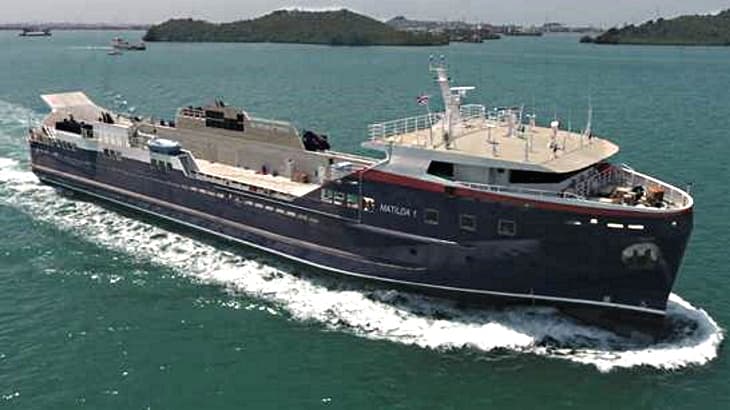
Lloyd’s Register has granted an Approval in Principle to Australian ship designer Seatransport for a hybrid nuclear-ready propulsion concept that integrates licensable micro modular reactors with conventional diesel-electric systems across 73 m and 90 m stern landing vessel designs. The AiP recognises the architecture that, LR and Seatransport say, would shift mission endurance and fuel logistics for amphibious support vessels.
LR’s technical authority Jez Sims framed the decision as a milestone after several years of collaboration. “Achieving Approval in Principle for hybrid nuclear power is an exciting step for LR and the wider maritime industry,” Sims said. He added that LR provides independent technical assurance based on long experience: “We are proud to provide independent technical assurance, drawing on decades of expertise in regulatory compliance, vessel design and nuclear safety. Our role is to help the industry move forward with confidence - turning pioneering ideas into safe, practical solutions.”
The AiP covers MMR output options in the 1.2 MW to 2.6 MW range and specifies a hybrid architecture pairing those reactors with proven diesel-electric propulsion. Seatransport used a recently launched 73 m stern landing vessel operating on conventional diesel-electric power as a trial platform; sea trials on that vessel validated and confirmed the design assumptions underpinning the MMR integration concept, providing the technical foundation LR required for the AiP.

Seatransport CEO Stuart Ballantyne tied the technical clearance to capability gains for expeditionary operations and long-range logistics. The conventionally powered 73 m vessel demonstrated a 4,000-nautical-mile range on diesel-electric propulsion and is reportedly set for a three-year charter with the US Marine Corps linked to development of a landing ship medium for Indo-Pacific expeditionary operations. Ballantyne said integrating MMR capability into the SLV platform was “future-proofing it for extended endurance, operational flexibility and low-emissions performance,” and added, “We do believe that for all shipowners, this is a paradigm shift in marine technology greater than sail to steam.”
LR and project partners are careful to flag regulatory work remaining. The MMR units are described as licensable and are undergoing rigorous technical and regulatory assessment, and LR says it is working closely with national authorities to ensure safety, compliance and operational standards are fully addressed. LR and Seatransport expect wider adoption in the early 2030s, not as an immediate commercial roll-out but as a pathway that follows licensing, national approvals and further integration trials.

Seatransport’s SLV platform carries more than 25 years of operational history, and the AiP gives builders and operators a concrete regulatory and technical checkpoint for hybrid MMR integration. The decision concentrates attention on certification, crew training and national authority engagement as the next milestones before MMR-equipped SLVs can move from concept and trials to operational deployment.
Know something we missed? Have a correction or additional information?
Submit a Tip

_82415.jpg&w=1920&q=75)