Lloyds to phase out Halifax brand in nationwide rebrand
Lloyds confirmed Halifax will disappear into the Lloyds brand over time, ending a 173-year-old name tied to Halifax’s civic identity. Existing customers will keep banking for now.
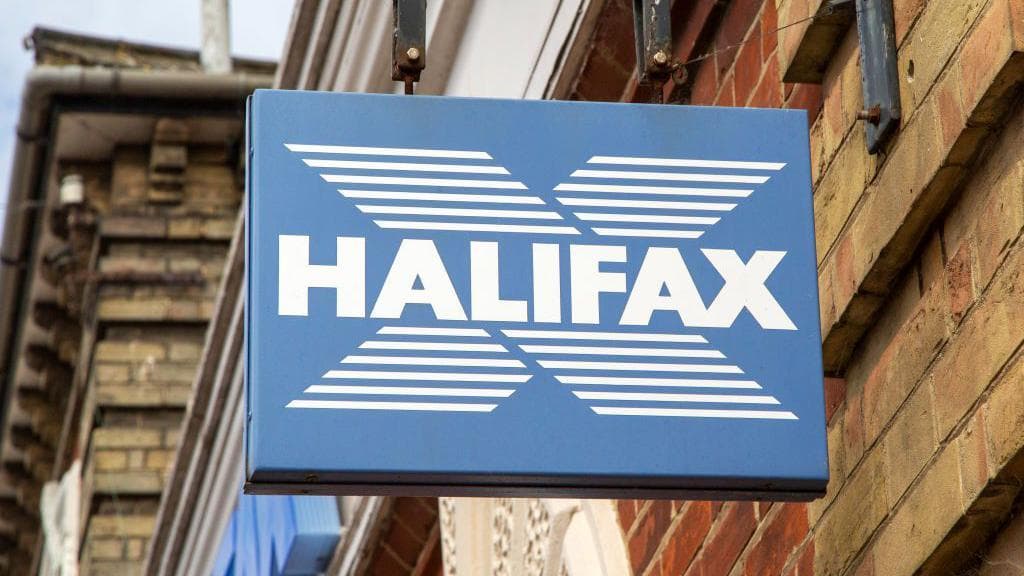
Lloyds Banking Group confirmed on 1 July 2026 that the Halifax brand will be phased out and rebranded to Lloyds over time, with existing customers moving onto the Lloyds app in the coming months. Halifax will stop opening new accounts later in 2026, while branches carrying the Halifax name will also be rebranded to Lloyds.
The bank said there are no immediate changes for customers and no action is required. Lloyds, which has owned Halifax since 2009, said the shift will still leave it with one of the largest branch networks in the UK, even as one of Britain’s best-known retail banking names disappears from shopfronts, cards and digital screens.

The loss carries unusual weight in Halifax itself because the brand began in the town of Halifax, West Yorkshire, in December 1852, when the Halifax Permanent Benefit Building Society was founded. Its first mortgage was issued in May 1853 to the local textile manufacturer Esau Hanson, who borrowed £121 to buy land to build a house, repaid over 13 years at 5% interest.
By 1928, Halifax had grown into the largest building society in the world, with assets of £47 million. That long arc turned a local mutual lender into a national institution, and the brand became closely linked with the town that gave it its name.
The rebrand has prompted deep disappointment locally, where Halifax has long been seen as a source of civic pride. For a name that has survived 173 years, the change is more than a redesign of bank branches and an app icon. It marks another step in the steady compression of legacy consumer brands into larger corporate identities, with the operational promise of a single platform coming at the cost of a familiar local label.
This article was produced by Prism’s automated news system from verified source data, official records, and press releases, then run through automated quality and moderation checks before publishing. The system is built and supervised by the people who set the standards it runs under. Read our full AI policy.
Did this article answer your question?