Loan shark victims fear violence as illegal lenders face crackdown
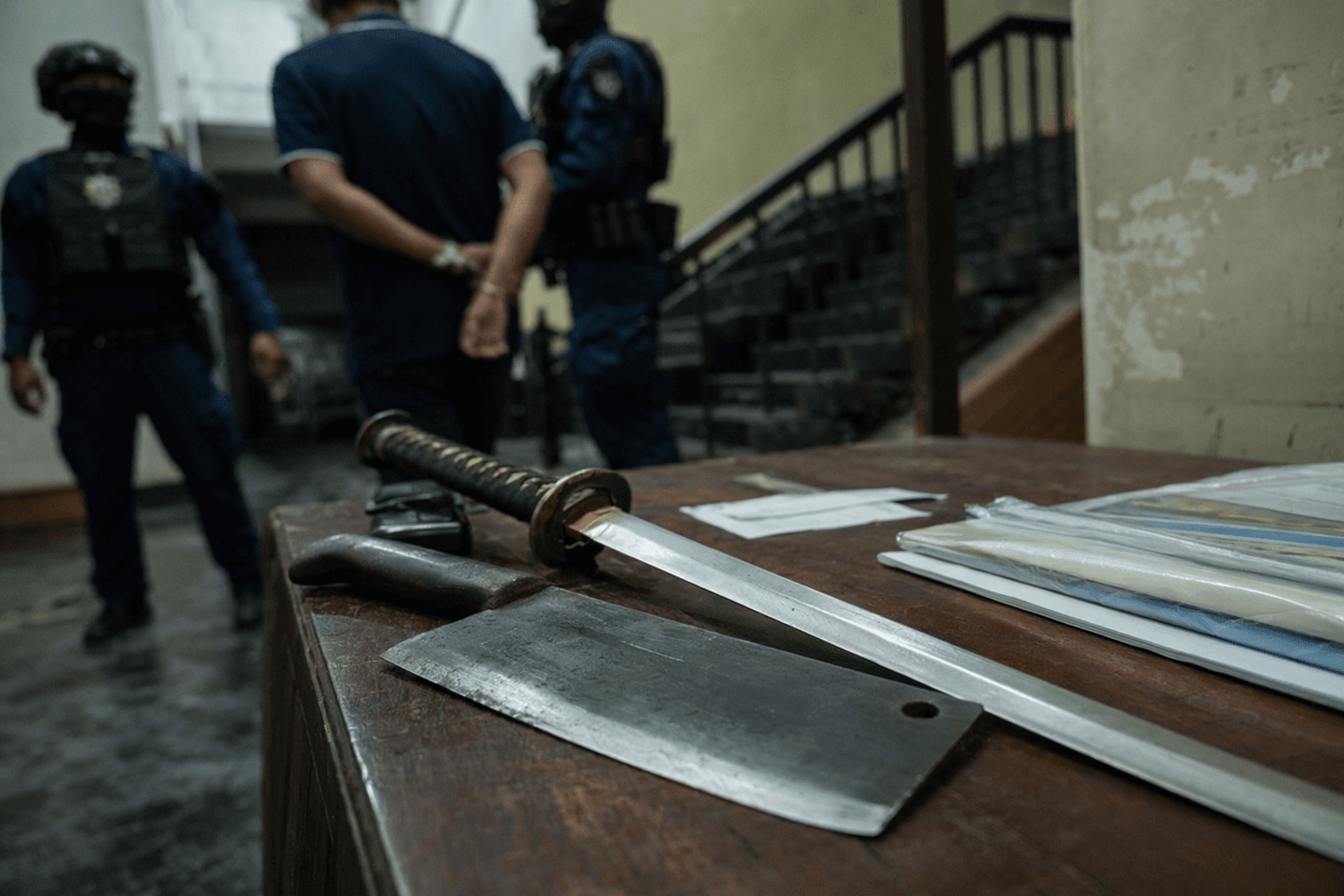
A meat cleaver and samurai sword were seized from illegal lenders as victims stayed silent, fearing violence more than debt collectors.
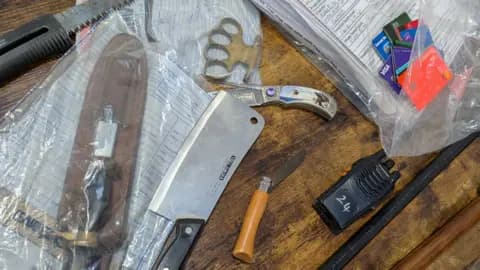
A meat cleaver and a samurai sword were among the weapons seized from suspected illegal lenders, a stark reminder of why so many victims keep quiet even as debts spiral out of control. England’s Illegal Money Lending Team says fear, intimidation and control can push borrowers to the brink of suicide before they ever ask for help.
The team, known as IMLT, was set up in 2004 as a pilot scheme in Birmingham and was rolled out nationwide in 2011. It remains the only government agency in the UK with powers to investigate and prosecute illegal money lenders in England, but it depends heavily on public tip-offs to find suspects. That dependence leaves a dangerous gap: people who borrow from loan sharks often say they are too frightened to report them in case the threats turn violent.
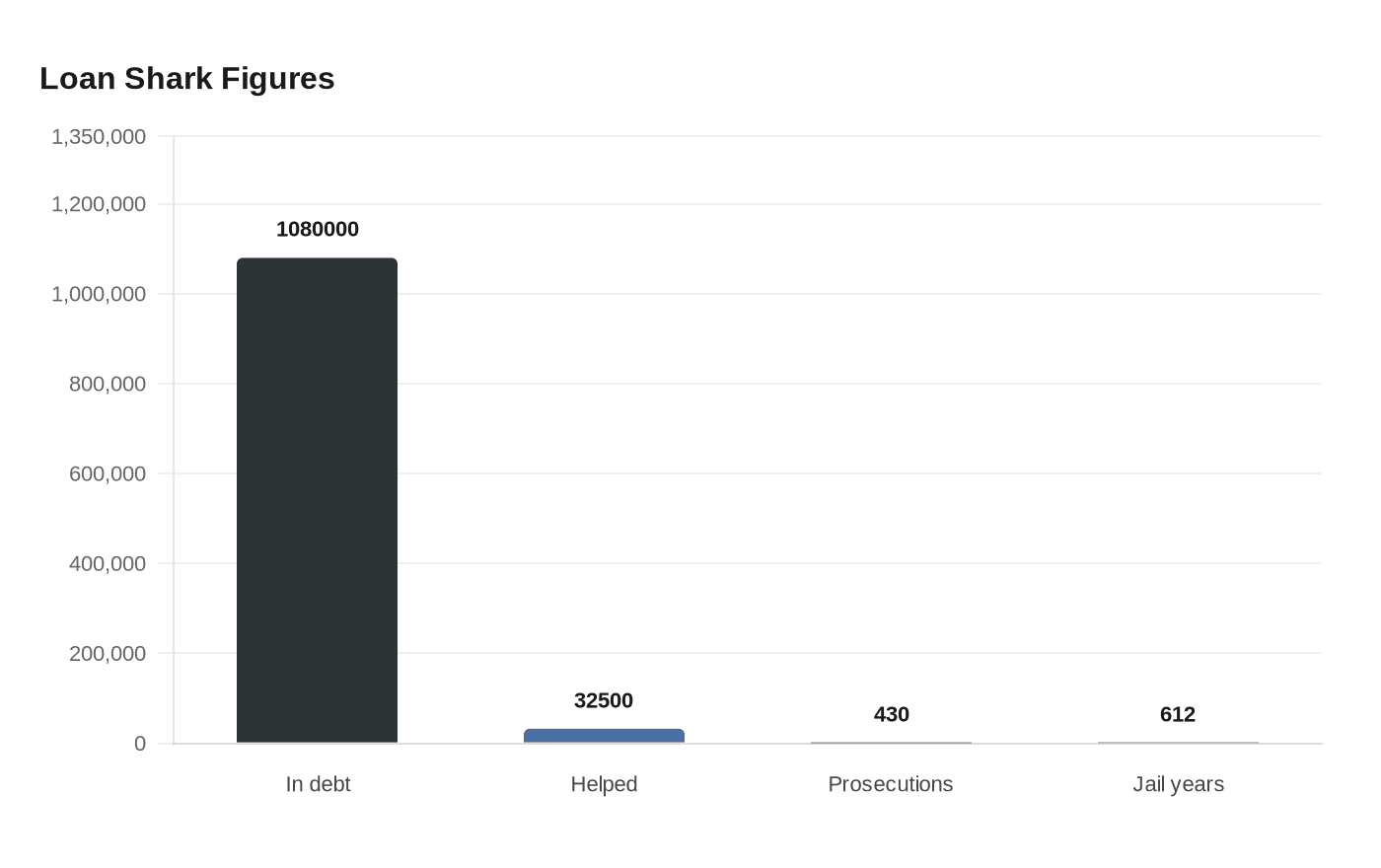
Stop Loan Sharks says 1.08 million people in England are in debt to a loan shark, more than three times the estimate in 2010. The organisation says it has supported around 32,500 people, secured more than 430 successful prosecutions and helped put illegal lenders behind bars for more than 612 years in total.
The scale of the problem is not only financial. The College of Policing says loan sharks have been known to threaten violence and cause violence to ensure repayment. Stop Loan Sharks warns that warning signs can include fear of visitors to the home, threatening text messages and, in the most extreme cases, people being forced into crimes or sex to pay off debts. That pattern turns private borrowing into a public safety issue, with victims often isolated long before police or support services become involved.
The support network is built around secrecy because silence is part of how loan sharks operate. Stop Loan Sharks offers a 24-hour confidential helpline on 0300 555 2222, WhatsApp support on 07700 102773 and an anonymous online reporting route. Those options are meant for borrowers who cannot safely walk into a police station or speak openly to family, neighbours or employers.
The BBC has previously reported cases in which victims said they had been driven to the brink of suicide, and another case involving a loan shark who used Snapchat to promote his illegal lending and threaten borrowers. Together, those cases show how the threat does not end with the loan itself. For many victims, the real trap is what happens after the money is handed over: debt enforced by fear, and fear enforced by silence.
This article was produced by Prism’s automated news system from verified source data, official records, and press releases, then run through automated quality and moderation checks before publishing. The system is built and supervised by the people who set the standards it runs under. Read our full AI policy.
Did this article answer your question?