London becomes test case for police use of facial-recognition tech
Tourists and office workers were scanned in central London as police tested facial recognition against a watchlist. The court upheld the tactic, but privacy critics warned of mass surveillance.
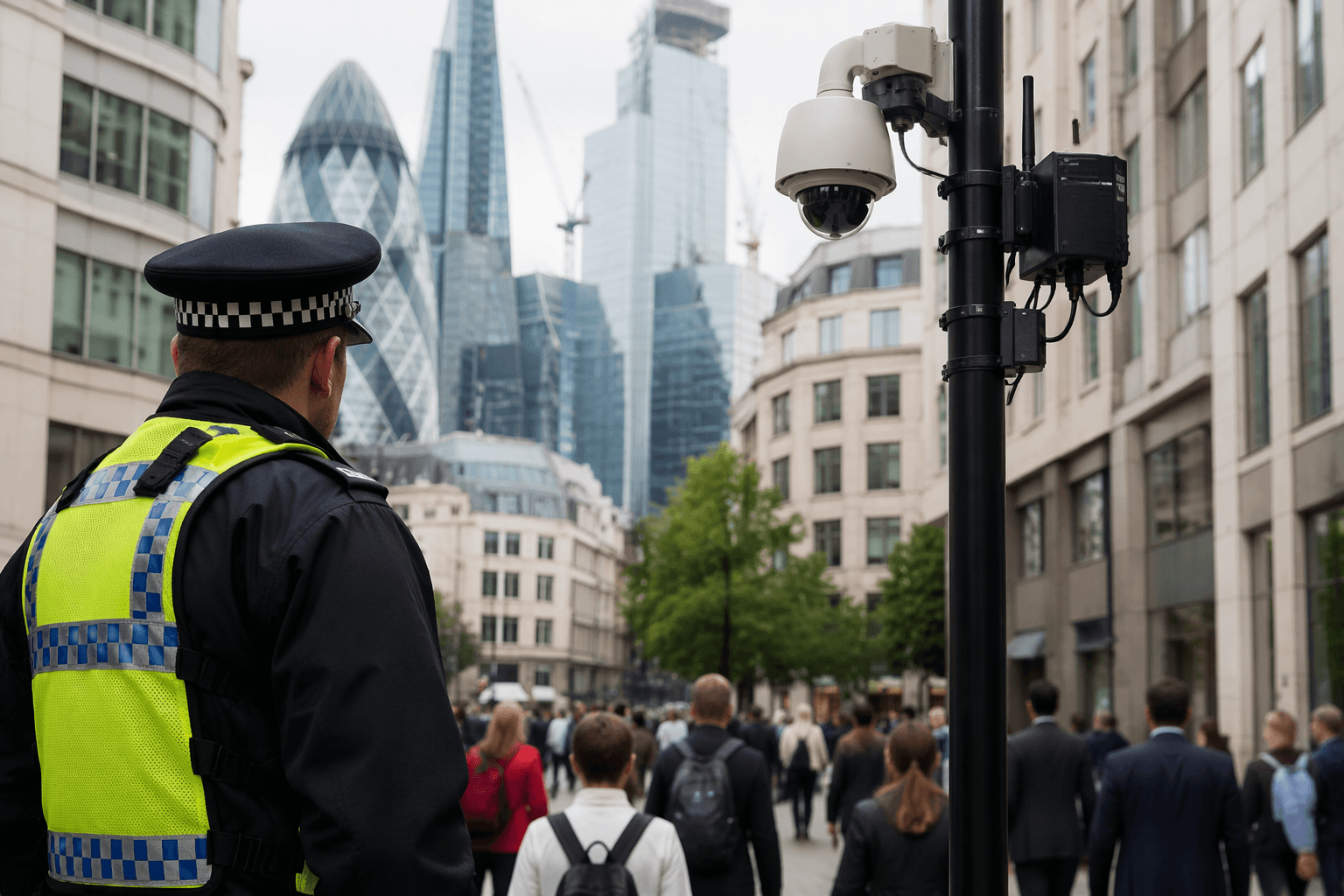
London is being used as a live test case for how much frictionless surveillance the public will tolerate in exchange for promised safety. On a busy street in Victoria, tourists, shoppers and office workers walked past temporary warning signs, a police van and live facial-recognition cameras that compared their faces against a Metropolitan Police watchlist.
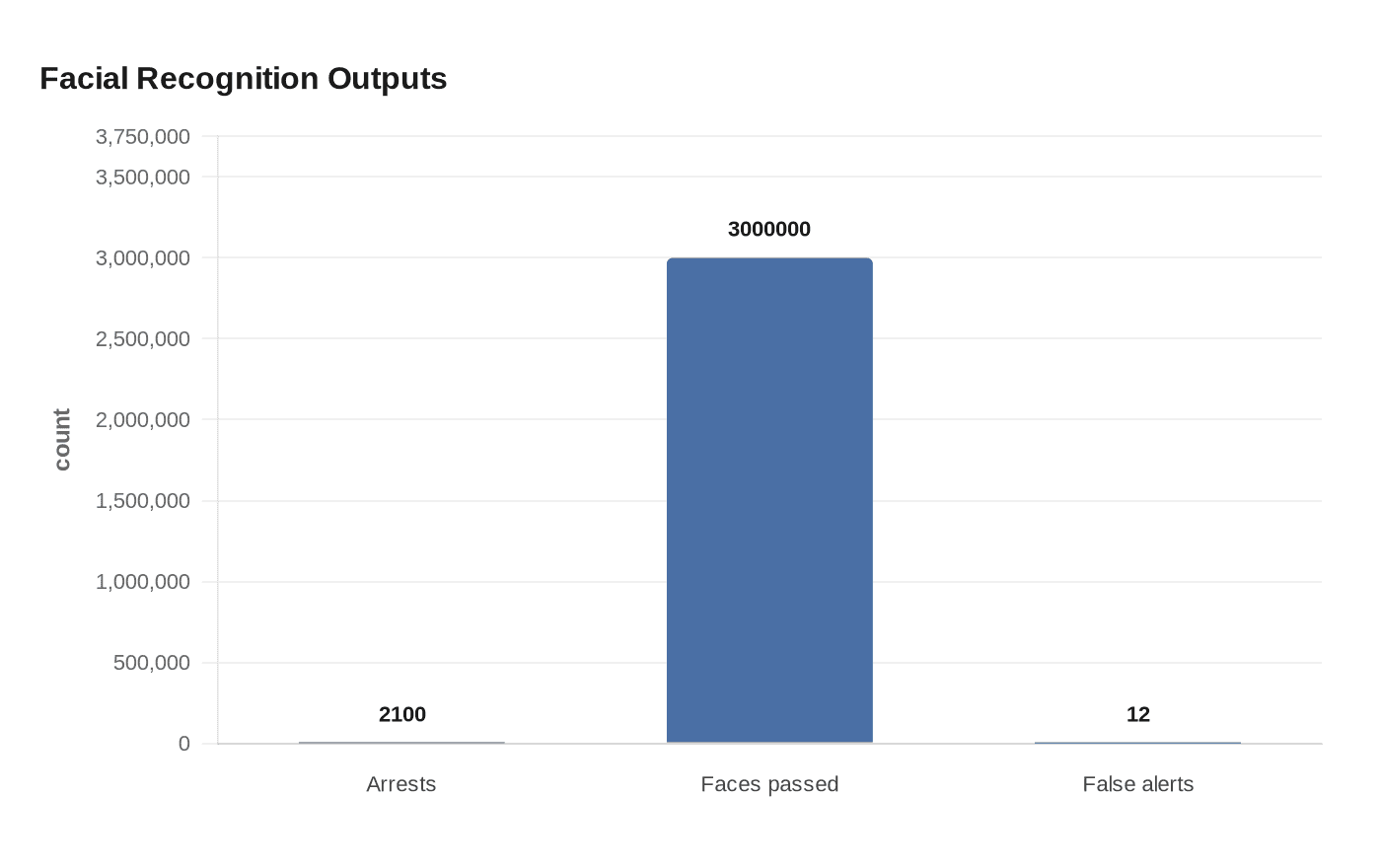
The tradeoff is already visible in the numbers. The Met said on 21 April 2026 that live facial recognition had helped officers make more than 2,100 arrests, while more than three million faces passed the cameras last year and produced 12 false alerts, none leading to arrest. Police leaders present that as evidence the technology can act as a force multiplier in a crowded city where suspects can disappear into ordinary foot traffic. In Victoria, the system generated a possible match within an hour, then another alert about 30 minutes later. Officers approached one man, questioned him briefly and then let him go.
That ease is exactly what alarms civil liberties groups. Shaun Thompson, a 39-year-old Black London community worker and volunteer with Street Fathers, was wrongly matched near London Bridge on 23 February 2024 when the system confused him with an image of his brother on a watchlist. He later said he was distressed and threatened with arrest when he declined to give fingerprints. His co-claimant in the legal challenge was Silkie Carlo, the director of Big Brother Watch, which called the ruling disappointing and said the fight against what it sees as mass surveillance was far from over.
The High Court judgment, issued on 21 April 2026, examined the Met’s revised policy adopted on 11 September 2024. Lord Justice Holgate and Mrs Justice Farbey held that live facial recognition can be used lawfully if safeguards are in place. The court summary said the system scans faces in public places, compares biometric data with police watchlists and automatically deletes biometric data when there is no match. The Met also says non-matching images are blurred and monitored in real time by a trained operator.
The challenge reached beyond privacy advocates. The Equality and Human Rights Commission intervened and warned in August 2025 that the Met’s use of live facial recognition had to comply with Articles 8, 10 and 11 of the European Convention on Human Rights, raising concerns about privacy, expression and assembly. Zoë Garbett, a London Assembly member, had already urged an immediate pause in February 2026, saying the rapid expansion of the technology disproportionately affected Black and brown communities.
For now, the legal barrier has been lowered and the cameras remain visible. Britain is moving closer to routine identity checks in public space, while the arguments over error rates, watchlist standards and the limits of police discretion are only becoming more urgent.
Know something we missed? Have a correction or additional information?
Submit a Tip