Lonely death of Hamptons landscaper exposes hidden housing crisis
A landscaper’s lonely death reveals the Hamptons’ hidden workforce: seasonal laborers who earn $100 to $150 a day, then face winter housing insecurity and encampments.
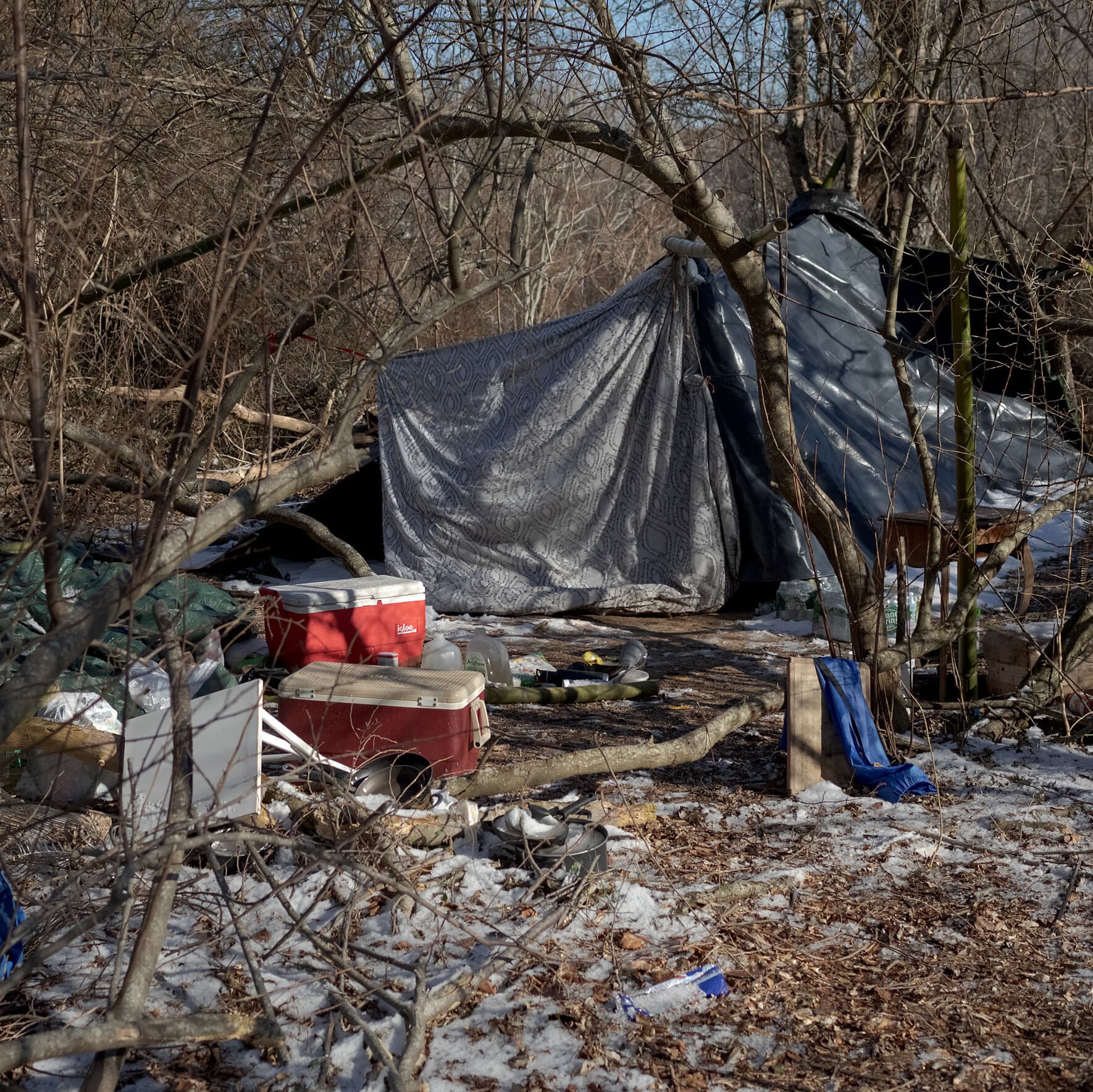
A landscaper’s lonely death cuts through the polished image of the Hamptons and exposes the workers who make that image possible. Behind the clipped hedges, bright lawns, and immaculate pools are seasonal laborers, many of them undocumented immigrants from Guatemala and Mexico, whose work keeps luxury properties looking effortless while their own lives remain precarious.
The labor behind the luxury
The East End’s estates do not maintain themselves. Gardens, pools, tennis courts, and sprawling grounds depend on a workforce that arrives with the warm weather and often disappears into crisis when the season ends. Recent reporting described day laborers earning about $100 to $150 a day during the April-to-September landscaping season, a wage that can buy a bed or a sofa for the night but rarely provides a path to stable year-round housing.
That is the hidden arithmetic of the Hamptons economy. The region’s wealth is built on constant upkeep, yet the people performing that upkeep often live one missed paycheck away from housing loss. When the work slows, the invisibility of the labor force becomes the point: the properties stay pristine, while the workers who maintain them are pushed out of sight.
Winter is where the crisis becomes visible
For many laborers, the end of the warm-weather season means the end of dependable income. The same reporting described workers sheltering in wooded encampments through the cold months because they could not afford stable housing once landscaping jobs dried up. That is not just a housing problem, but a labor-market problem, where seasonal demand creates seasonal vulnerability.
The pattern is especially harsh for undocumented workers, who may be reluctant to ask for help and often have few formal protections. In practice, the Hamptons’ luxury economy depends on people who can be employed quickly, paid daily, and discarded just as quickly when the calendar turns. The result is a workforce that is essential to the region yet economically disposable.
Why East Hampton keeps circling the housing question
East Hampton Town has been wrestling publicly with the shortage for years, and the pressure is now showing up in policy discussions. Town officials have been reviewing workforce-housing ideas that include accessory dwelling unit changes, housing proposals near Route 114, and employer-sponsored housing concepts. The fact that all of these options remain under discussion says something important: the market alone has not produced housing that workers in the local service economy can afford.
The scale of the problem is also visible in the price tag attached to proposed solutions. Hamptons restaurants and businesses have backed a workforce-housing proposal reported at roughly $850,000 per unit, a number that captures just how expensive it has become to house the people who clean, landscape, serve, and maintain the region’s luxury life. When the cost of housing approaches the cost of a high-end property feature, the market is no longer functioning for the workers it relies on.
Safety fears shape who asks for help
Housing insecurity is only part of the pressure. Local reaction has also centered on whether undocumented workers feel safe enough to seek police help when they need it. East Hampton officials have told residents that local police do not have the authority to carry out federal immigration enforcement, a message meant to lower the fear barrier for workers who may otherwise stay silent.
That reassurance matters because fear can deepen isolation. Advocates on Long Island have framed the issue not as a narrow immigration fight, but as a question of labor, housing, and dignity. When workers believe that reporting a problem could expose them to deportation risk, they are less likely to report abuse, seek shelter, or engage with local institutions at all.
The crisis is bigger than one town
The Hamptons’ seasonal labor system sits inside a much larger regional squeeze. An Immigration Research Initiative report says about 550,000 immigrants live on Long Island, and many are concentrated in middle- and lower-wage occupations even as they also fill many higher-wage jobs. That means the island’s economy depends heavily on immigrant labor across multiple sectors, from hospitality and landscaping to professional services.
Seen this way, East Hampton is not an exception but an extreme version of a Long Island-wide affordability problem. The island’s job market pulls in workers at every income level, yet housing costs continue to sort people into separate geographies of security and precarity. The Hamptons simply make that divide more visible because the contrast between wealth and need is so stark.
What this death reveals about extreme affluence
The lonely death of a landscaper matters because it puts a human face on a system that usually hides its costs. The East End’s beauty is not just the product of wealth; it is also the product of labor that is seasonal, underpaid relative to local housing costs, and often socially invisible. The people who sustain that landscape are too often left to solve their own housing crisis in the shadows, in cars, crowded rooms, or wooded camps.
That is the larger lesson of the Hamptons story. Luxury communities do not only depend on capital and property values; they also depend on workers who absorb the instability created by that wealth. Until housing policy, labor policy, and immigration fears are addressed together, the region will keep producing the same painful equation: manicured landscapes above, insecurity below.
This article was produced by Prism’s automated news system from verified source data, official records, and press releases, then run through automated quality and moderation checks before publishing. The system is built and supervised by the people who set the standards it runs under. Read our full AI policy.
Did this article answer your question?

