Long-awaited Rafah reopening leaves Gaza families stranded and anxious
Lines formed on both sides of Rafah as limited crossings resumed, heightening medical and humanitarian urgency.
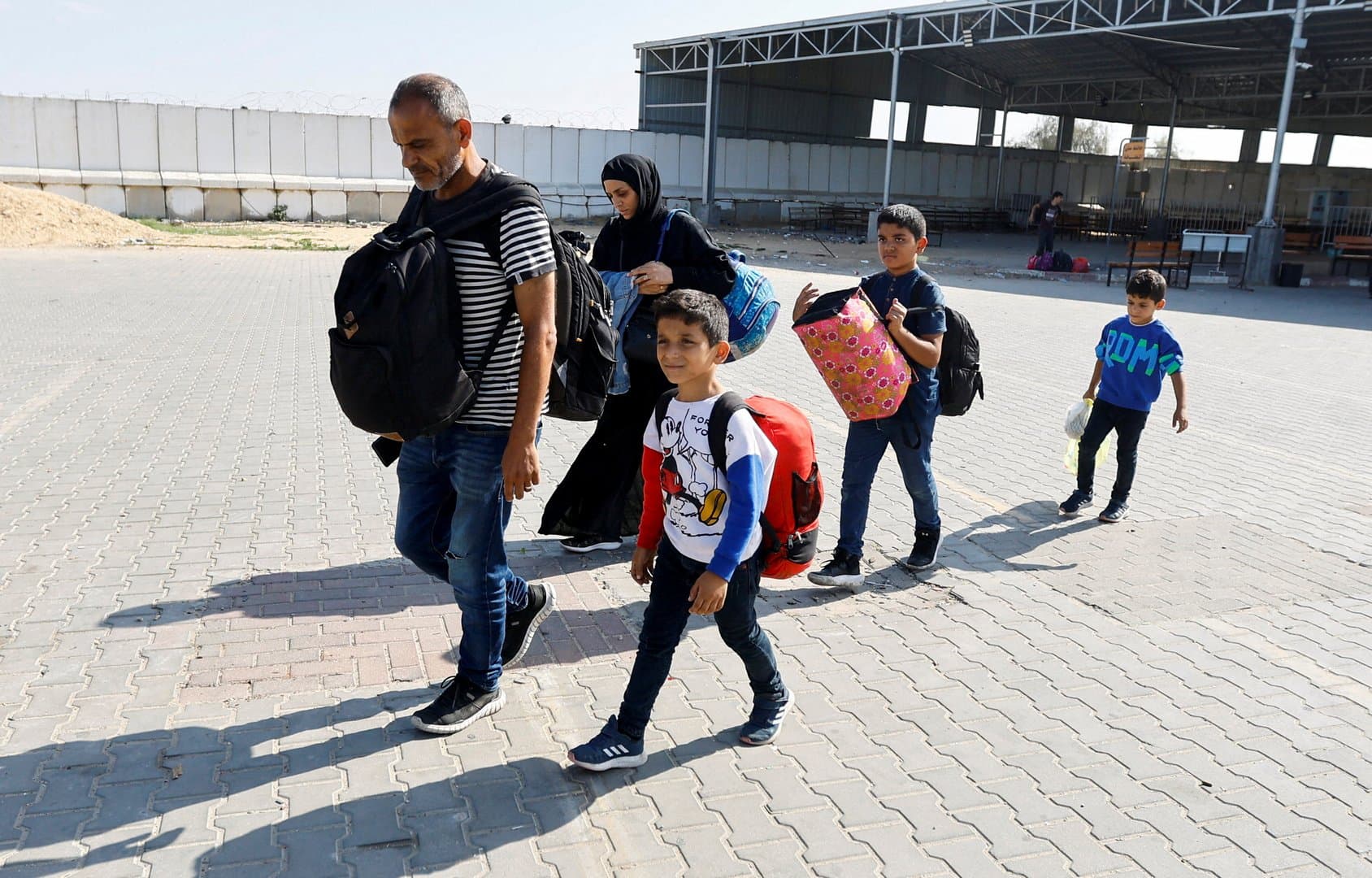
Lines stretched for hundreds of meters on both sides of Gaza’s Rafah crossing as Palestinians waited to pass through a terminal that reopened under strained conditions, with the first day of movement disrupted by delays and confusion over who would be allowed across.
The reopening followed days of visible preparation: trucks carrying humanitarian aid and ambulances queued at the Egyptian gate, staged for inspection before attempts to enter Gaza. Workers laid groundwork at the crossing as residents watched with "hope and impatience," anticipating a route that has been largely sealed since the terminal was seized in May 2024.
The initial push to restore travel was part of a fragile ceasefire framework that envisions an exchange of hostages for Palestinians held by Israel, a surge of humanitarian aid and a partial pullback of Israeli troops in its first phase. The second, more complex phase calls for installing a new Palestinian administrative committee to run Gaza’s day-to-day affairs, deploying an international security force, disarming Hamas and laying early groundwork for reconstruction.
Despite those broad terms, practical details were thin and the reopening came with hard limits. Authorities allowed only a small number of people to cross at first, and no commercial goods were permitted initially, constraining relief and movement. "Opening the crossing is a good step, but they set a limit on the number of people allowed to cross, and this is a problem," said Ghalia Abu Mustafa, a woman from Khan Younis, reflecting frustration shared by many who have waited years for freedom of movement.
The head of the new Palestinian administrative committee governing Gaza's daily affairs has said travel in both directions would start Monday, a claim meant to reassure those inside and outside the territory. Even so, many unanswered questions linger: who will be prioritized for passage, how many people will be processed each day, and when goods and broader commercial flows will resume.

Humanitarian needs were starkly evident. Health officials and aid groups have flagged roughly 20,000 Palestinian children and adults who need medical evacuation or specialized care unavailable inside Gaza. Thousands more Palestinians living abroad or displaced elsewhere have applied to return home. The restricted early access at Rafah leaves that caseload effectively in limbo.
Security and vetting remain central complications. Trucks and ambulances at the Egyptian gate were reportedly subject to inspection by Israeli authorities, continuing a long-standing practice in which both Egypt and Israel vet Palestinians seeking to cross. Under ceasefire arrangements, Israel controls the area between the Rafah terminal and the densely populated zones of Gaza, complicating any rapid expansion of movement.
Egypt has repeatedly insisted Rafah be open for both entry and exit, warning against actions that could amount to forced displacement. Cairo’s concerns mirror broader regional unease about population flows and sovereignty as international actors weigh the next phase of a fragile political settlement.
For Gaza’s residents the reopening is at once a relief and a reminder of constraints: a partial reopening that lets a trickle of people through while the bulk of urgent needs, medical evacuations and the flow of goods remain unresolved. Officials in Cairo, Jerusalem and the newly appointed Palestinian committee will need to resolve quotas, vetting procedures and humanitarian logistics before Rafah can function as the lifeline Gaza urgently requires.
This article was produced by Prism’s automated news system from verified source data, official records, and press releases, then run through automated quality and moderation checks before publishing. The system is built and supervised by the people who set the standards it runs under. Read our full AI policy.
Did this article answer your question?


