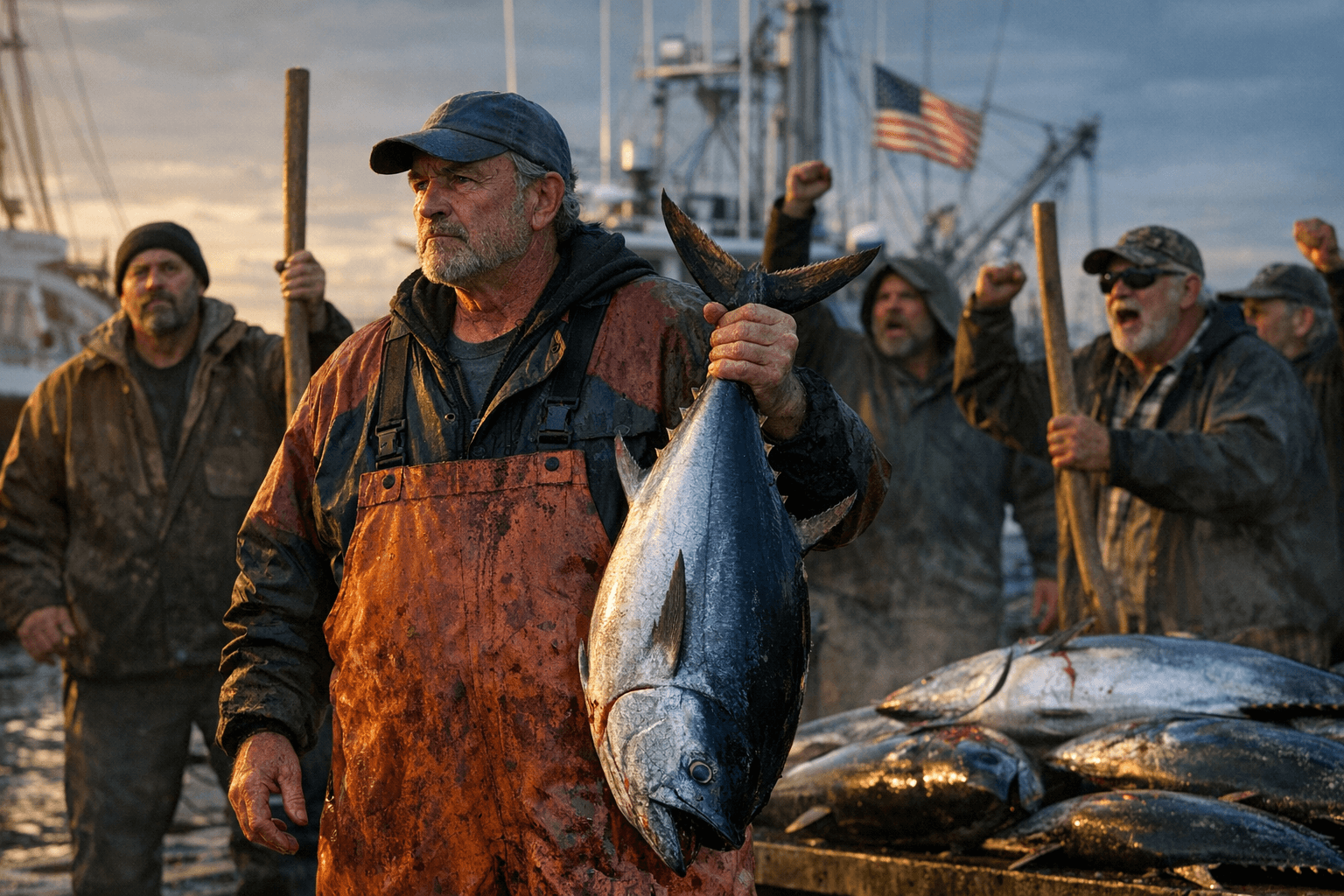
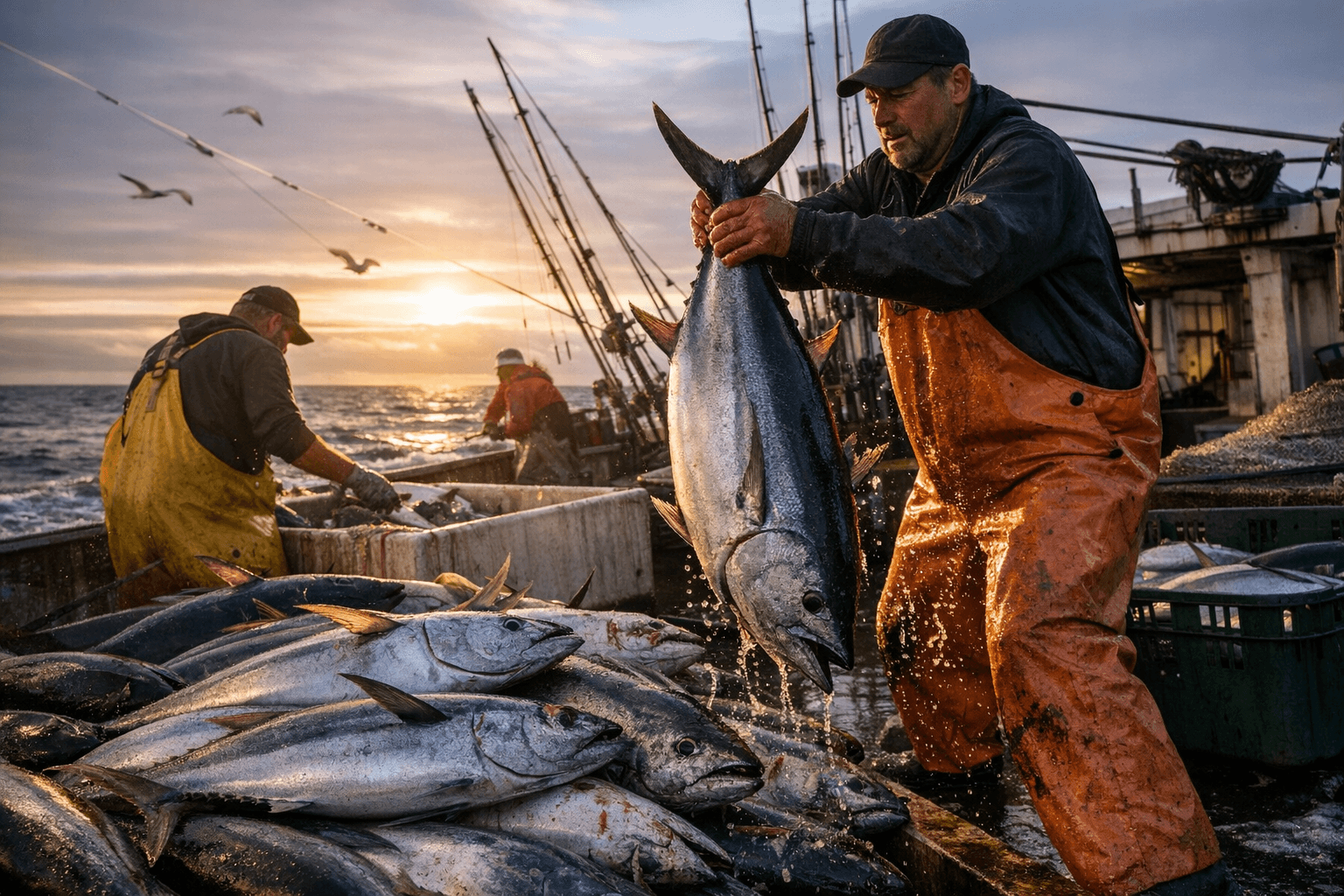
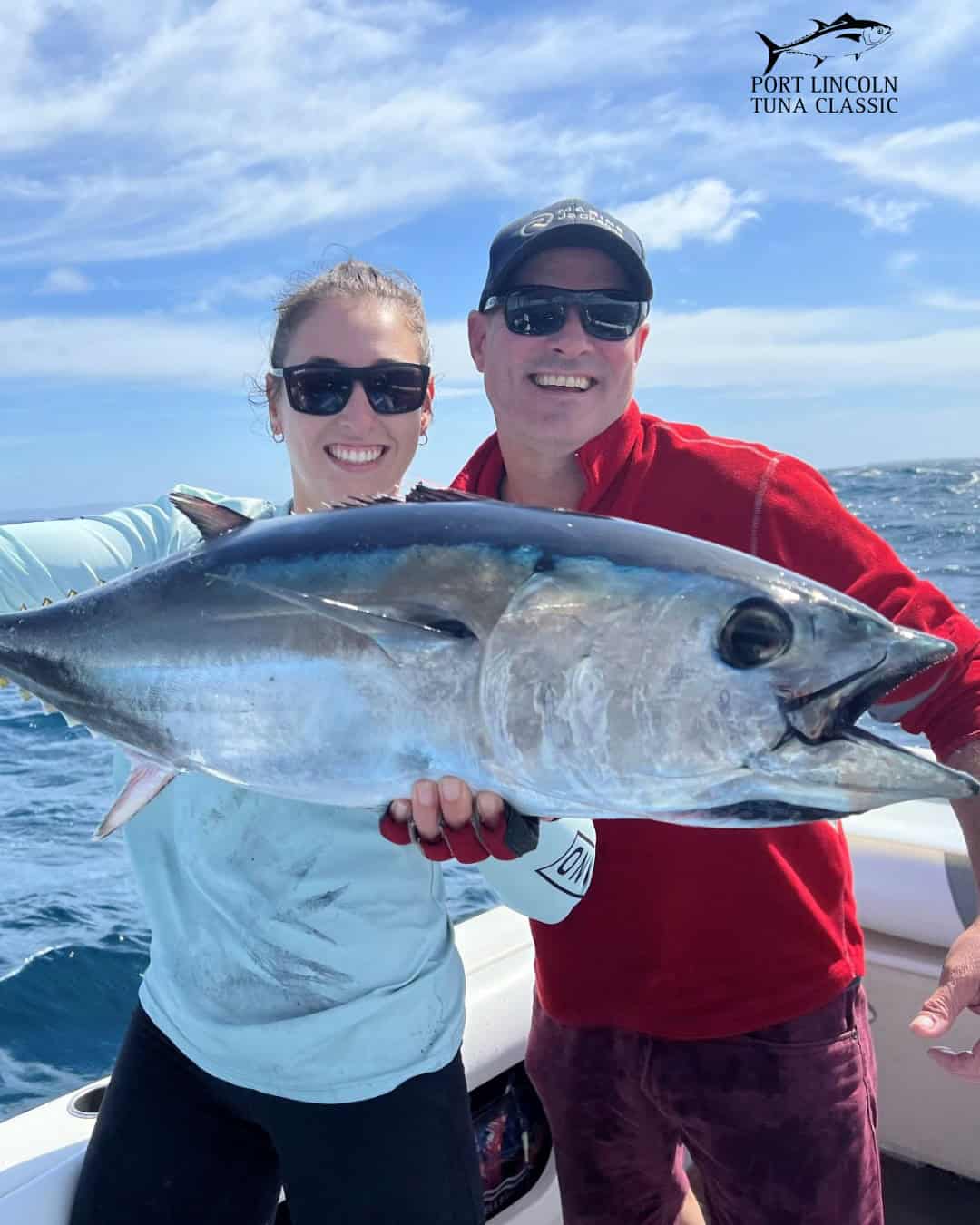
Longtail Tuna Schools Flood Northern Moreton Bay as Spring Migration Begins
Coastwatch reports active longtail schools moving into northern Moreton Bay, feeding in as little as one metre of water and turning Moreton Bay into a spring hotspot.
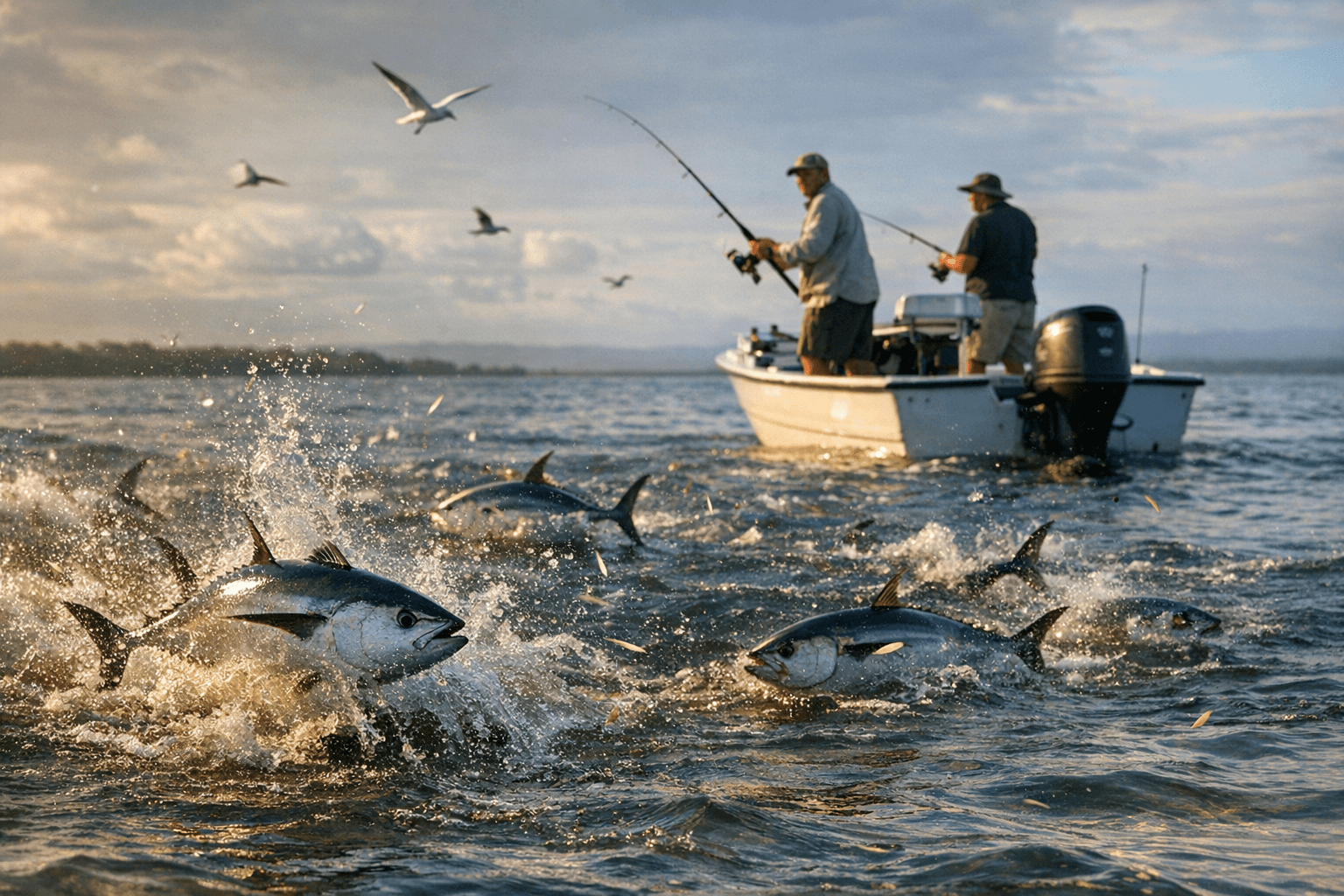
Coastwatch’s regional fishing roundup for 1 March 2026 highlights active longtail tuna moving into the northern reaches of Moreton Bay, Queensland, with surface feeding visible in shallow, sun-warmed water. The report’s local spot notes name Moreton Bay’s northern reaches alongside Tin Can Bay, Urangan Pier and Maroochydore as places to watch this week.
Seasonal patterns sharpen the picture. Daiwa notes that “each year between about February and September, schools of these fish flood into the inshore waters of South East QLD and Northern NSW,” while Tackletactics narrows the experiential window: “The waters around southeast Queensland see an increase of tuna activity in the autumn and spring months, and while longtail can be found throughout the year, I have had good success fishing from February through to April.” Both frames put March squarely within the active migration pulse.
Feeding behaviour explains why anglers report such explosive surface action. Daiwa records surface feeding displays in relatively shallow water, “sometimes as shallow as a metre of water,” and Issuu highlights the diet that drives that behaviour: “Anchovies and sprats, for example, are favored prey in Moreton Bay.” A firsthand stomach-content example from Issuu describes a 5 kg longtail caught off Hamilton Island whose gut contained a variety of prey items all about 1.5 cm long, including Trigger Fish, Toadfish, Ponyfish, Squid and “even a tiny Octopus.” The CSIRO study cited by Issuu, by Shane Griffiths, also found longtails were “generally very opportunistic feeders.”
Getting on top of a fast-moving school remains a tactical challenge. Daiwa outlines two common approaches: “A commonly used method is to blast in with the boat and fire a few casts before they disappear,” but warns that in pressured fisheries like Moreton Bay “they’re more likely to dive before you can even get close enough for a cast.” The alternative is to “slowly approach the school with the engine barely in gear,” though Daiwa cautions that “longies like to move around a lot while feeding” and that cutting a petrol motor can spook them. Tackletactics gives a casting prescription that many local anglers follow: “These fish move extremely fast, so placing the boat in front of the fish, ready to cast, will make a huge difference. Don’t expect one of these fish to turn around and eat an offering that you have cast behind them. The perfect cast needs to be placed ahead of the school or fish, waiting a few seconds for the lure to sink, before commencing the retrieve.”
Tackle and access reflect the species’ habits. Tackletactics stresses that “Whilst catching big fish on light tackle is fun, tuna fishing really requires gear on the heavier side of things,” even as Issuu and Daiwa point to small presentations because of the fish’s small-prey diet: anglers use Hardyheads or “very small lures or saltwater flies,” and Daiwa says “spinning with lures or flyfishing are more popular and effective than traditional methods like trolling with game tackle.” Tackletactics also notes that “Longtail make their migration north along the eastern Coastline and they tend to do this quite close to the shore, making them relatively easy to access for small boats and even kayaks, when the conditions are favourable,” though successful outings often require “scouting,” covering kilometres on the water and watching for bird activity.
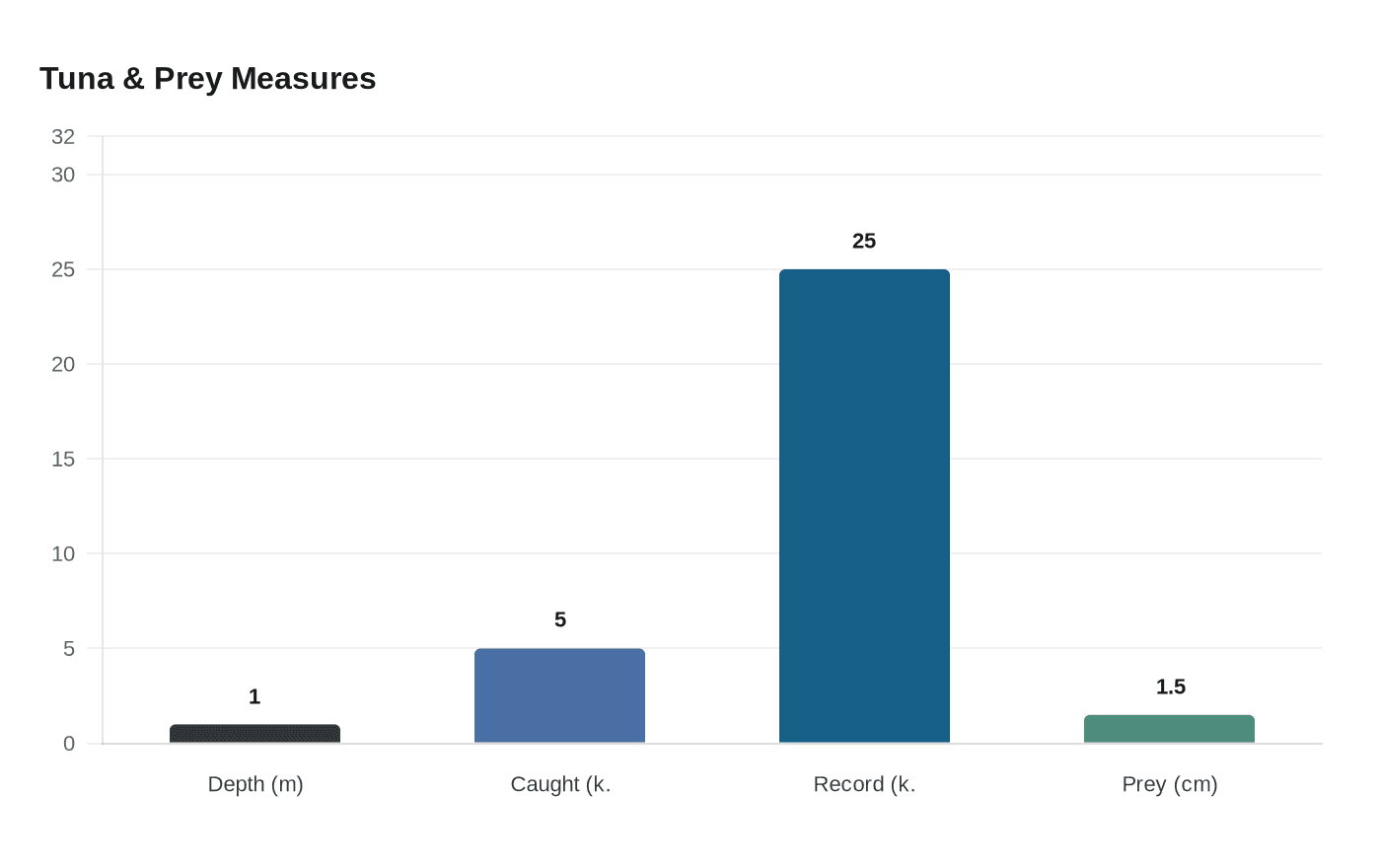
The region’s historical weight underlines the opportunity: Issuu records that “all of the line-class IGFA world records for Longtail have been taken off the Australian east coast between Moreton Bay in southern Queensland and the Victorian/ New South Wales border,” and notes that 25 kg plus fish are a notable regional feature. With Coastwatch flagging active schools in the northern bay on 1 March and both tactical and biological evidence pointing to sustained surface action, expect Moreton Bay to stay busy through March and into the tighter February to April window that many locals call prime tuna time.
Know something we missed? Have a correction or additional information?
Submit a Tip