Lords scrutinize assisted dying bill as MPs back end-of-life reform
More than 1,000 amendments left the assisted dying bill stuck in the Lords. If time runs out before the session ends, the Commons-backed reform could die there.
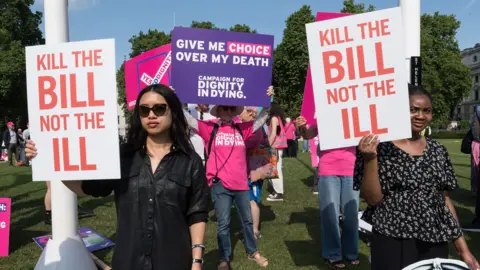
More than 1,000 amendments and 14 scheduled committee days have turned the House of Lords into the decisive choke point for the Terminally Ill Adults (End of Life) Bill, with the final committee day set for 24 April 2026 and the measure still at risk of running out of parliamentary time.
The bill has already done what no assisted dying proposal has managed before in Westminster. Kim Leadbeater presented it to Parliament on 16 October 2024 after being drawn highest in the private members’ bill ballot, and MPs backed its second reading on 29 November 2024 by 330 votes to 275. It completed its passage through the House of Commons on 20 June 2025, then entered the Lords three days later, where Lord Falconer of Thoroton took it forward.

In the Commons, the government stayed neutral and ministers had a free vote, a position that allowed MPs to divide on the issue without party discipline. That vote matters because the current law in England and Wales makes it an offence to intentionally encourage or assist suicide, so the bill is not a narrow amendment but a direct test of whether Parliament wants to change the criminal law for terminally ill adults.
The legislation would apply to adults in England and Wales with a prognosis of less than six months to live, provided they are over 18, have capacity, are resident in England and Wales, and are registered with a GP in England or Wales. It also sets out a two-doctor assessment process, an assisted dying review panel, a voluntary assisted dying commissioner, and protections for staff who do not want to take part.
The Lords has subjected the bill to detailed line-by-line scrutiny, including evidence from the Royal College of Physicians, the Royal College of Nursing, the Royal College of General Practitioners, the Department of Health and Social Care, NHS England, the Equality and Human Rights Commission, the National Down Syndrome Policy Group, and experts from New Zealand and other jurisdictions. Parliament said the 24 April debate would focus on age thresholds, continuation of existing healthcare treatment, the time between a preliminary discussion and a first declaration, and patient awareness of non-lethal treatment options.
The House of Lords Library said the bill has already been heavily amended, with report stage producing 47 amendments, new clauses and schedules, and nine divisions. That combination of procedural scrutiny and limited parliamentary time now defines the bill’s fate: if the Lords does not finish its remaining stages before the session ends, the most advanced assisted dying legislation ever brought through Westminster could stop without a final decision.
This article was produced by Prism’s automated news system from verified source data, official records, and press releases, then run through automated quality and moderation checks before publishing. The system is built and supervised by the people who set the standards it runs under. Read our full AI policy.
Did this article answer your question?

