Louisiana chapel removes priest’s name after Texas sexual assault conviction
A chapel Odiong helped build erased his name after his Texas conviction, but two alleged victims’ names still remained on the wall.
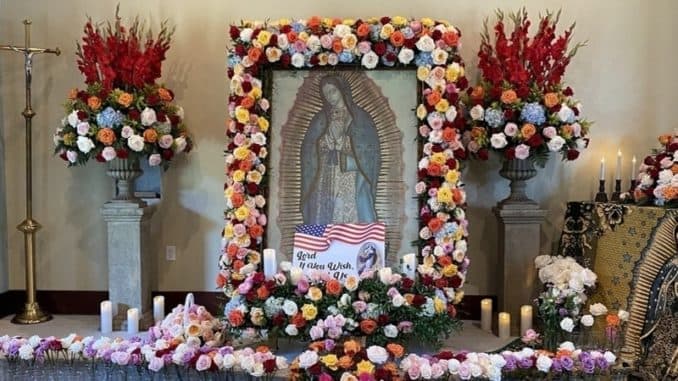
Anthony Odiong’s name was gone from the wall of the Our Lady of Guadalupe Healing Chapel in Luling, but the names of two women prosecutors identified as his victims were still on the parish-funded building he helped create. The contrast turned a Catholic chapel into a public record of what has changed after a conviction, and what has not.
A McLennan County jury in Waco convicted Odiong, a 57-year-old Nigerian-born priest, of sexually assaulting women under his spiritual care. The trial was consolidated into one proceeding on multiple sexual-assault counts, and reporting said he faced up to life in prison on the first-degree charges. Prosecutors also said DNA evidence showed Odiong fathered a child with a woman who had come to him for spiritual guidance, underscoring that the case reached far beyond a single improper relationship.
Odiong had been jailed since his July 2024 arrest and was reported to have been held on $5.5 million bail. The New Orleans archdiocese suspended him from public ministry in late 2023 after allegations of misconduct involving multiple women, and the latest move to strip his name from the chapel follows a bankruptcy-settlement policy that requires public recognition to be removed for clergy facing credible abuse accusations on archdiocesan property.
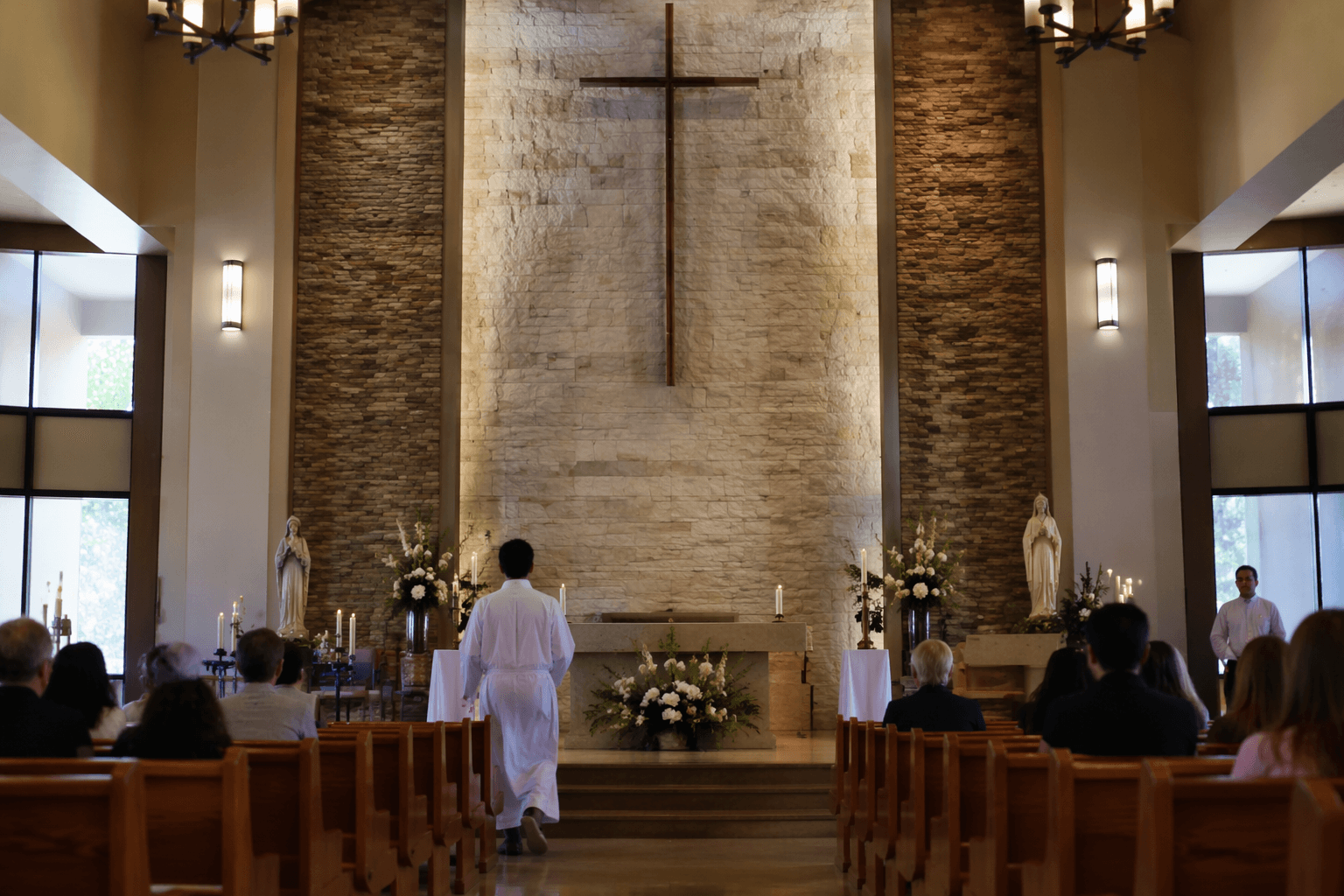
The chapel itself was first proposed in October 2017, and Odiong reportedly raised about $600,000 to build it before it opened in 2020 on the grounds of St. Anthony of Padua parish. A public inscription had described the project as “a labor of love,” a phrase that now sits uneasily beside the accusations and conviction that defined the priest’s later ministry. The chapel also continued to display the names of two women prosecutors said were among those he victimized, a reminder that the institutional response has moved faster on signage than on the deeper question of accountability.
Odiong, identified by Catholic outlets as a priest of the Diocese of Uyo in Nigeria, had ministered in New Orleans from 2015 to 2023 and in Texas before that. Local reporting said he had also made anti-LGBTQ+ comments to his congregation before his removal. At the chapel in Luling, daily rosary prayers continued even as his name disappeared, leaving parishioners and survivors with a starker question than whether a sign should come down: how the church intends to reckon with the abuse of spiritual authority that allowed this case to unfold across years, states and congregations.
This article was produced by Prism’s automated news system from verified source data, official records, and press releases, then run through automated quality and moderation checks before publishing. The system is built and supervised by the people who set the standards it runs under. Read our full AI policy.
Did this article answer your question?

