Louisiana Senate advances map that could cut Democratic House seat to one
Louisiana lawmakers moved to erase one of the state’s two majority-Black House districts, a change that would likely force Cleo Fields and Troy Carter into the same seat.
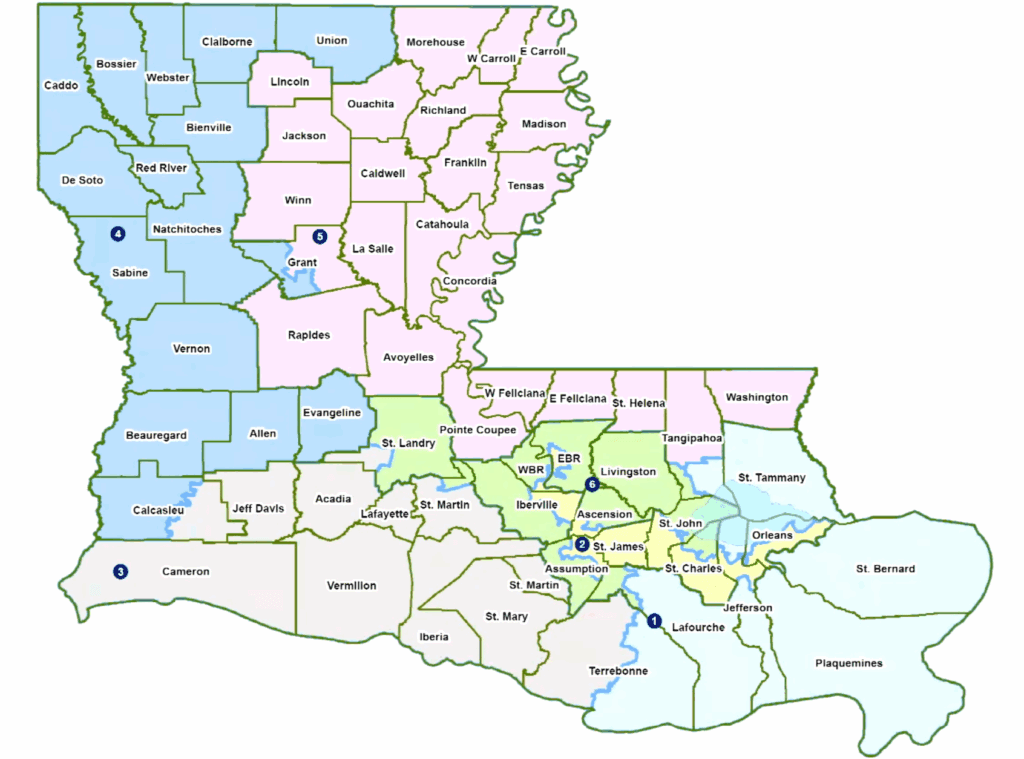
Black voting power in Louisiana came under direct pressure as Senate lawmakers advanced a map that would cut the state’s Democratic House delegation from two seats to one and likely pit two Black incumbents against each other. The proposal, Senate Bill 121 from Sen. Jay Morris, R-West Monroe, cleared the Senate Governmental Affairs Committee 4-3 on a party-line vote after a hearing that stretched from 7 p.m. Tuesday until about 4:30 a.m. Wednesday.
The bill would eliminate the current 6th Congressional District, represented by Democratic U.S. Rep. Cleo Fields of Baton Rouge, while preserving the New Orleans-based majority-Black district held by Democratic U.S. Rep. Troy Carter. Because the new district would also include Baton Rouge, Fields and Carter would likely be drawn into the same seat. If the map becomes law, Republicans would move from a 4-2 advantage in Louisiana’s U.S. House delegation to a 5-1 split.
The redraw is the latest flashpoint in a state already forced back into court and back to the map-drawing table. Two weeks earlier, the U.S. Supreme Court in Louisiana v. Callais struck down Louisiana’s existing congressional map as an unconstitutional racial gerrymander. That ruling also weakened what remained of Section 2 of the Voting Rights Act, unleashing a broader redistricting scramble across the South. Louisiana’s current map had been drawn under a 2024 court order to create a second majority-Black district out of six.
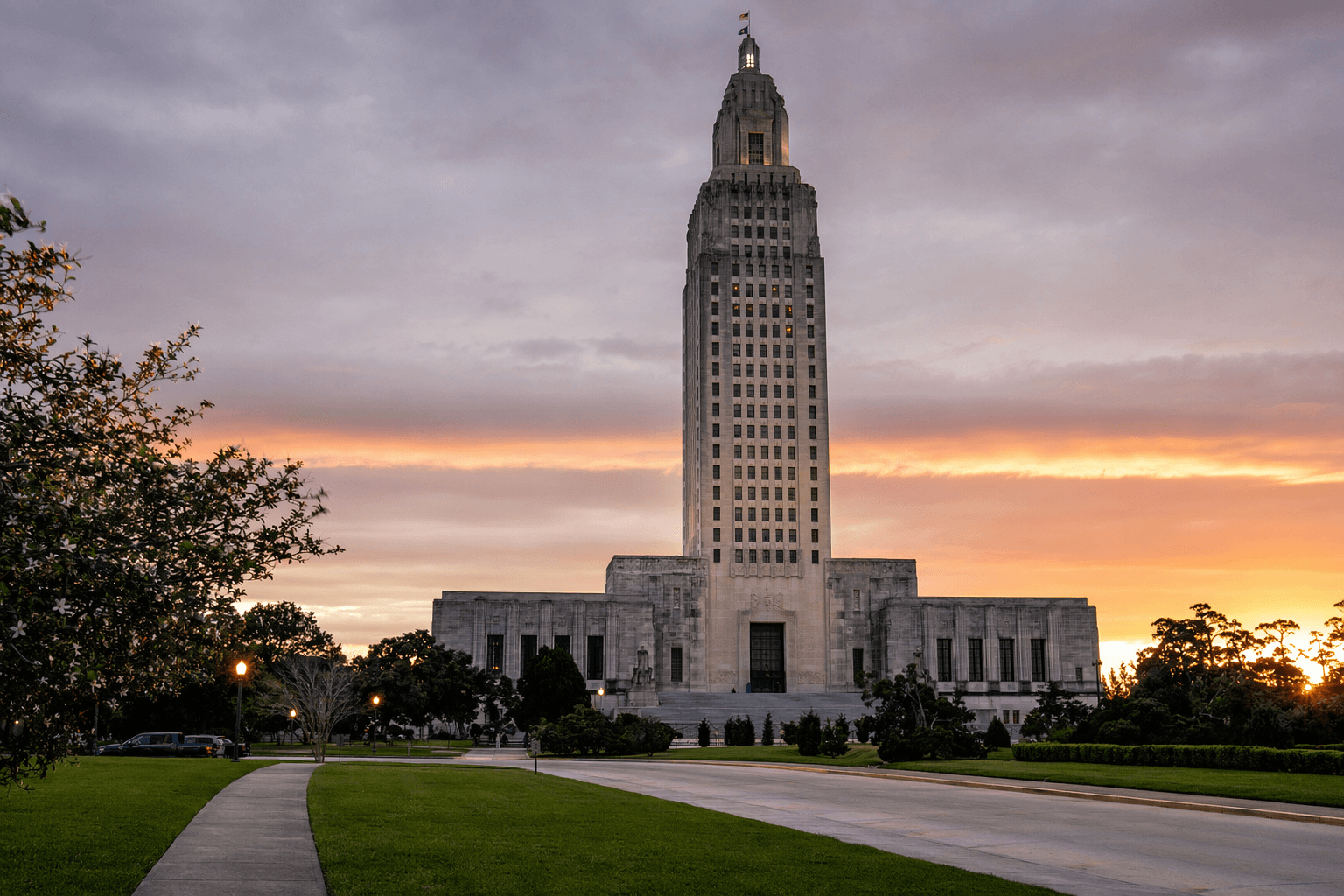
Gov. Jeff Landry responded by suspending the state’s U.S. House primaries the day after the ruling, and lawmakers are now racing toward a June 1 deadline to adopt new lines before the 2026 midterm elections. The legislative proposal still needs approval from the full Senate and then the House. A competing proposal from Sen. Ed Price, D-Gonzales, would create two districts that could elect Democrats, though neither would be majority Black.
The fight has triggered fierce opposition from Black residents, Democrats and civil rights groups. Hundreds of people filled the Capitol during earlier hearings, and the committee room overflowed with protesters and supporters as lawmakers debated the bill overnight. The NAACP condemned the vote, saying it would erase the 6th District and inflict a devastating blow on Black political representation in a state where Black residents make up about one-third of the population. Sen. Sam Jenkins, D-Shreveport, called the proposal a "political power grab."

Voter confusion has only deepened the stakes. Congressional primary ballots had already been printed, early voting had begun, and officials said ballots cast in the suspended races would not be counted. With court challenges still hanging over Landry’s order postponing the primaries, Louisiana’s redistricting fight is reshaping not just representation, but the mechanics and timing of the state’s 2026 election.
This article was produced by Prism’s automated news system from verified source data, official records, and press releases, then run through automated quality and moderation checks before publishing. The system is built and supervised by the people who set the standards it runs under. Read our full AI policy.
Did this article answer your question?


%3Amax_bytes(150000)%3Astrip_icc()%2FTrumpandBitcoin2-58606bf51eda48bdaef9a9853f2541ad.png&w=1920&q=75)