Trump proposes temporary gas tax holiday as fuel prices soar
Trump’s gas-tax holiday would save 18.4 cents a gallon, but it could drain about $500 million a week from road and transit funding.

A temporary federal gas-tax holiday would save drivers 18.4 cents a gallon, but the relief would be small at the pump and expensive for the treasury. On a 15-gallon fill-up, the cut amounts to $2.76, while a week-long suspension could remove about half a billion dollars in federal revenue.
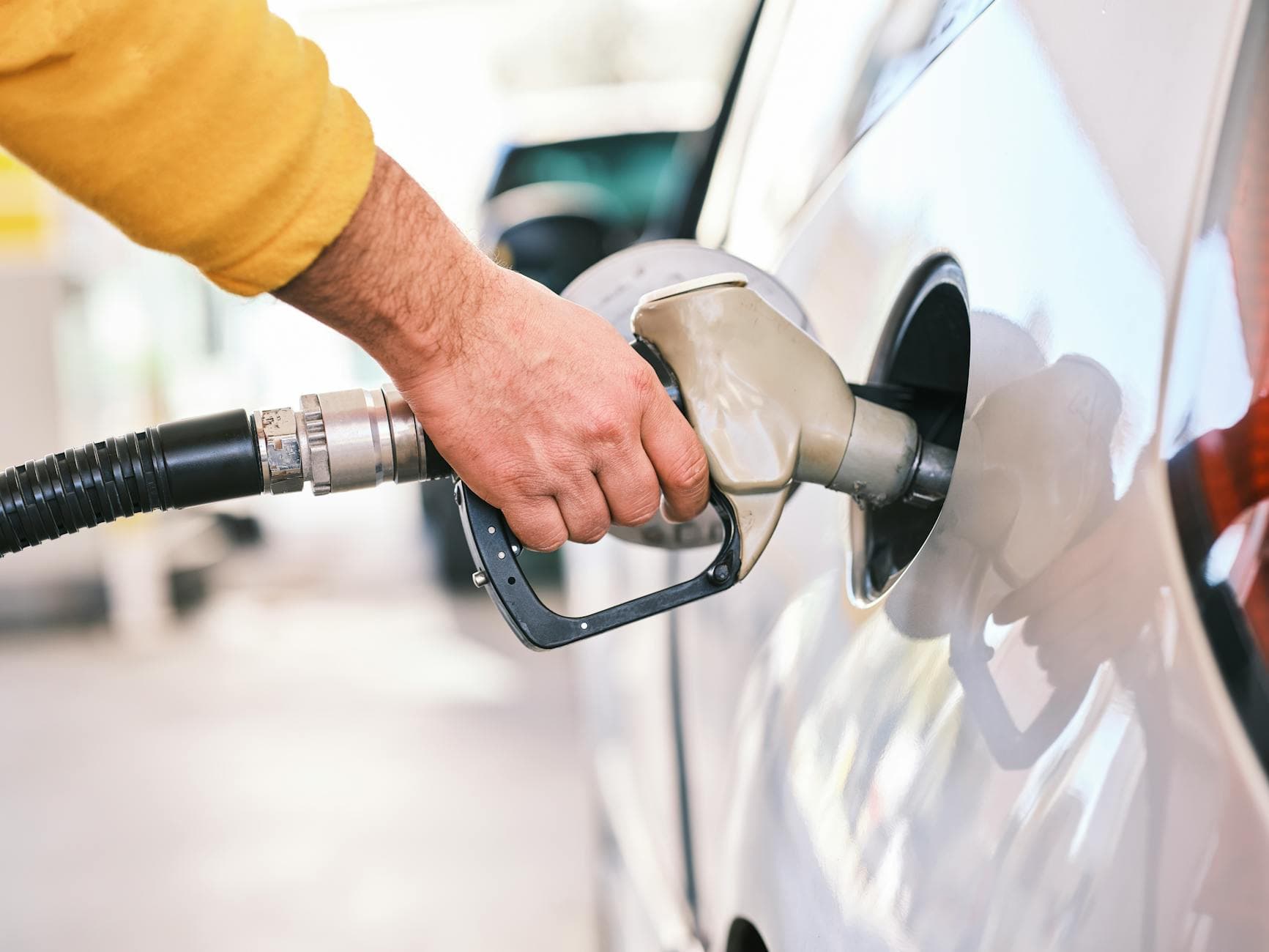
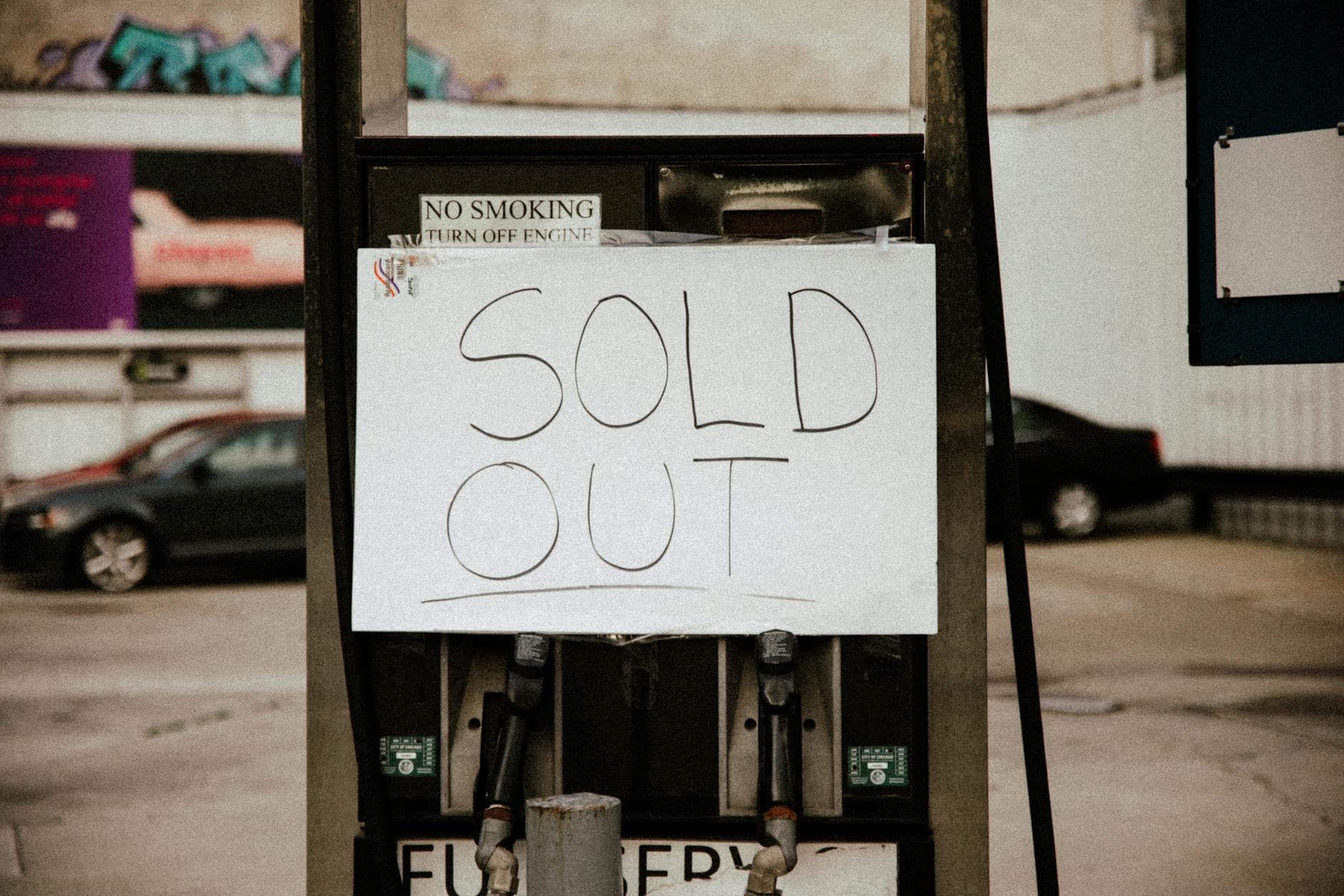
Donald Trump has pitched the idea as a way to answer voter anger over fuel prices that have surged more than 50% since the war in Iran began on Feb. 28, 2026. Regular gasoline hit more than $4.52 a gallon on Sunday, and the national average topped $4.50, more than a dollar higher than a year ago. With car travel central to daily life in the United States, gasoline remains one of the most visible measures of household pain and one of the most obvious political liabilities for a president facing midterm elections only months away.
The proposal has drawn attention from lawmakers in both parties, but it faces a hard institutional hurdle: Congress would have to approve any suspension. Sen. Josh Hawley said he would introduce legislation, and Rep. Anna Paulina Luna said she planned a House bill. At the same time, House Transportation and Infrastructure Chair Sam Graves opposed suspending the gasoline tax, and Senate Majority Leader John Thune said he did not know that the federal gas tax would lower prices by much. Democrats including Sen. Mark Kelly, Sen. Richard Blumenthal and Rep. Chris Pappas have also pushed for a gas-tax pause.
The practical payoff is limited because the tax is only one piece of the retail price. Federal gasoline tax stands at 18.4 cents a gallon, diesel at 24.4 cents, and both rates have been unchanged since 1993. The Federal Highway Administration says federal motor-fuel taxes provide about 91% of Highway Trust Fund revenues, which finance highway and transit spending. That means a pause would not just trim receipts; it would hit the fund that pays for the nation’s roads.
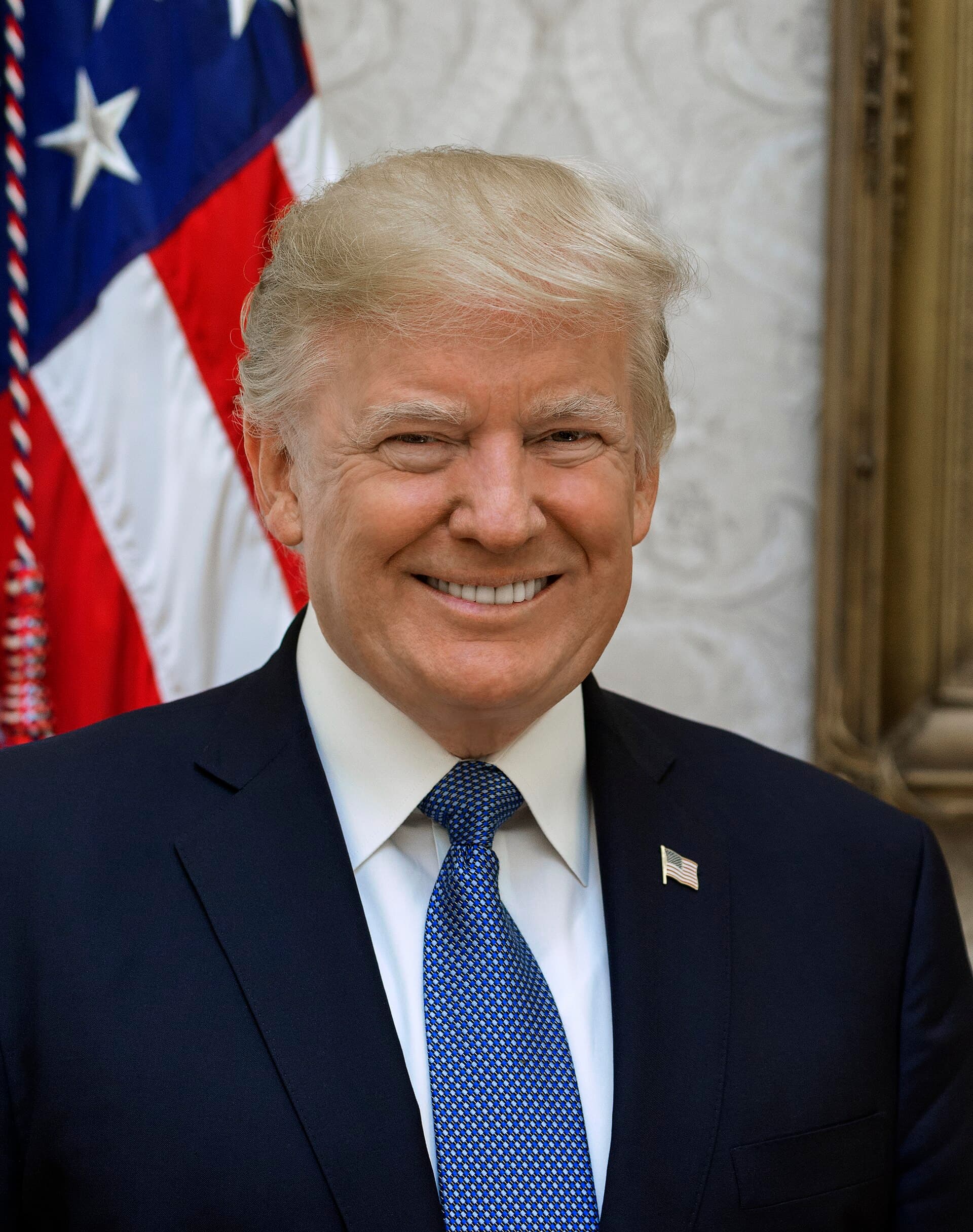
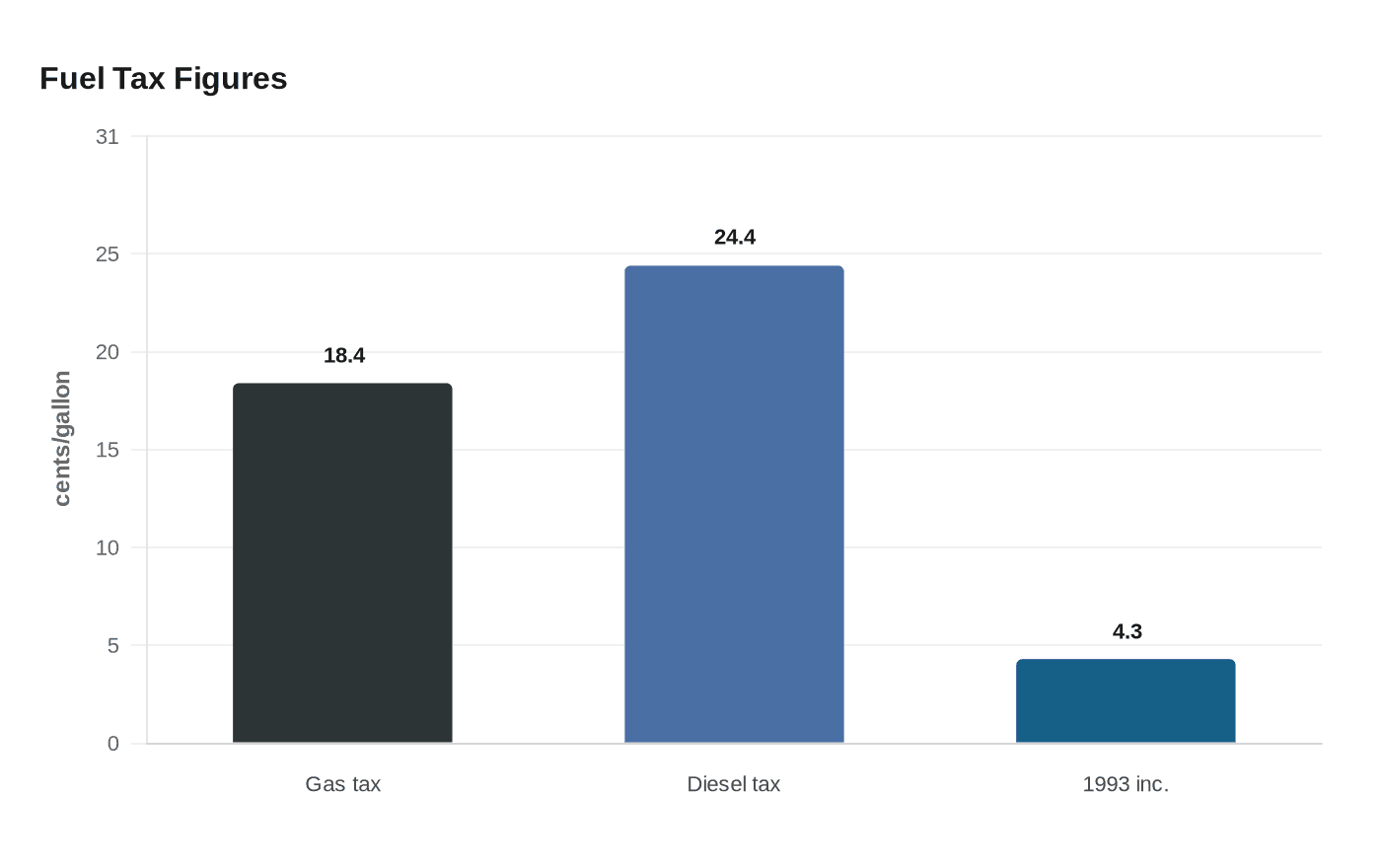
History also cuts against the idea. The federal motor-fuel tax system dates to the early 1930s, and the tax has been reduced only once in U.S. history, in 1934. The 1993 increase signed by Bill Clinton added 4.3 cents a gallon and was used for deficit reduction. With Trump’s approval rating at 34% in a Pew survey and 36% in Reuters/Ipsos polling, the political urgency is clear. The policy question is whether a headline-grabbing tax holiday would deliver real relief, or just another short-lived promise that leaves the biggest cost untouched.
This article was produced by Prism’s automated news system from verified source data, official records, and press releases, then run through automated quality and moderation checks before publishing. The system is built and supervised by the people who set the standards it runs under. Read our full AI policy.
Did this article answer your question?

