Low-cost Bambu Lab A1 Enables In-Situ Copper Electroplating of PLA Parts
A hands-on project used a consumer-priced Bambu Lab A1 to perform in-situ copper electroplating on PLA prints, a 3DPrint.com spotlight dated January 05, 2026 reports.
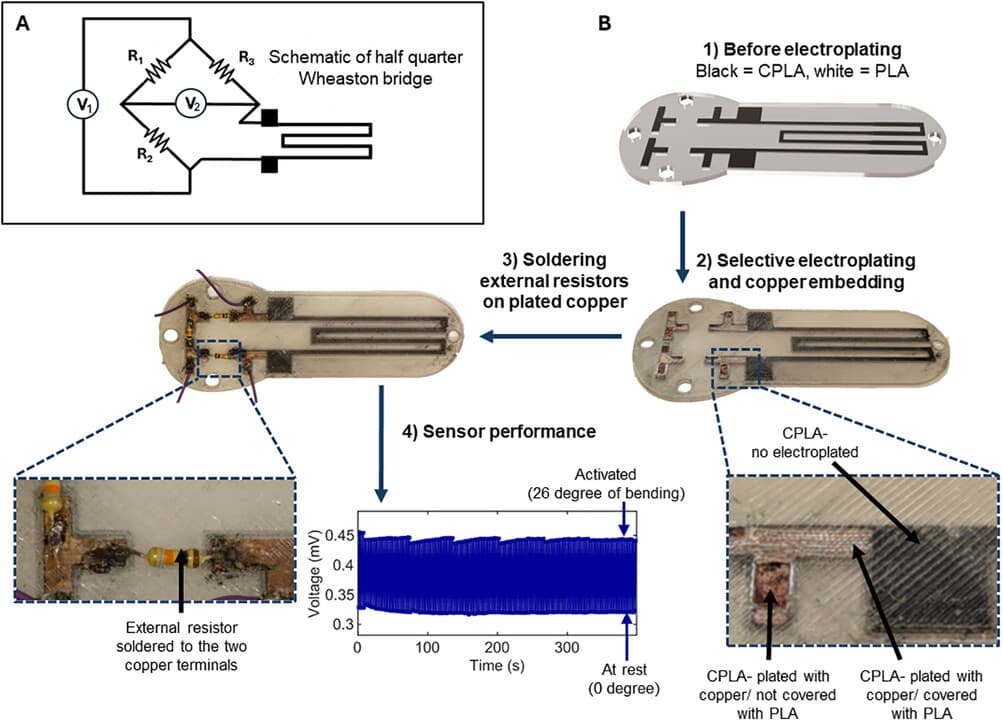
A hands-on project repurposed a consumer-priced Bambu Lab A1 desktop FFF printer to enable in-situ copper electroplating of printed PLA parts, the 3DPrint.com spotlight headlined "Bambu Lab A1 Used to Directly 3D Print Copper Electroplated Parts" dated January 05, 2026 shows. The project is presented as an example of makers and researchers experimenting with hybrid workflows on low-cost desktop hardware and explicitly names PLA as the printed substrate.
The available snippet includes the process label "in-situ copper electroplating of printed PLA parts" and an incomplete claim fragment that reads "conductive traces and some of the properties of metal parts." The spotlight snippet is truncated and does not provide full context for that fragment, nor does it include experimental parameters. Specifics such as electrolyte composition, voltages, current densities, bath geometry, masking methods, adhesion promotion steps, plating times, measured conductivity, and mechanical test results are not present in the excerpt.
Community reaction surfaced on LinkedIn where Joris Peels posted "This is amazing: In situ electroplating on an inexpensive desktop 3D printer: #3dprint" and his profile in the snippet shows 10,558 followers. The LinkedIn preview also displays gating text urging users to sign in: "By clicking Continue to join or sign in, you agree to LinkedIn’s User Agreement, Privacy Policy, and Cookie Policy," and repeats the platform's sign-in CTAs.
Commenters flagged complexity and historical precedent in the LinkedIn thread. James K McMahon wrote, "Too techy for most 3D printing users. I tensed when I read about the sponge and luer lock fluid connection. It won't be under my Christmas tree." Michael Kenworthy added, "Super interesting, from ~15 years ago playing with plating nickel-cobalt-X materials on complex printed piping/ducting to a desktop printer option. Probably ahead of the market needs, but Bambu continues to surprise and push the meaning of desktop printing."

The 3DPrint.com page snippet shows site metadata and related items that frame the coverage: the page header includes "RAPID" navigation and related AMR report references such as "Report # AMR-POLY3DP2026-0126" and "AM Applications Analysis: Parts Produced 2025-2034, February 16, 2026, Report # AMR-AMA-MPP-0226." Other visible lines on the page list "Polymer Extrusion 3D Printing Markets 2025-2034: Analysis and Forecast in the Age of Low-cost Upstarts, January 05, 2026, Report # AMR-POLY3DP2026-0126" plus 3DPOD episodes including "3DPOD 294: Digital Casting and More with Ben Wynne, Intrepid Automation."
The spotlight excerpt does not show an author byline, images, or technical schematics. It also does not confirm whether hardware or firmware modifications were made to the Bambu Lab A1, or whether the "sponge and luer lock fluid connection" mentioned by a commenter is part of the documented setup. If the full article and experimental data confirm plating method and performance, the approach could make conductive traces and some metallike properties achievable on PLA prints using a low-cost desktop machine, potentially shifting cost and workflow options for makers and small shops.
Know something we missed? Have a correction or additional information?
Submit a Tip