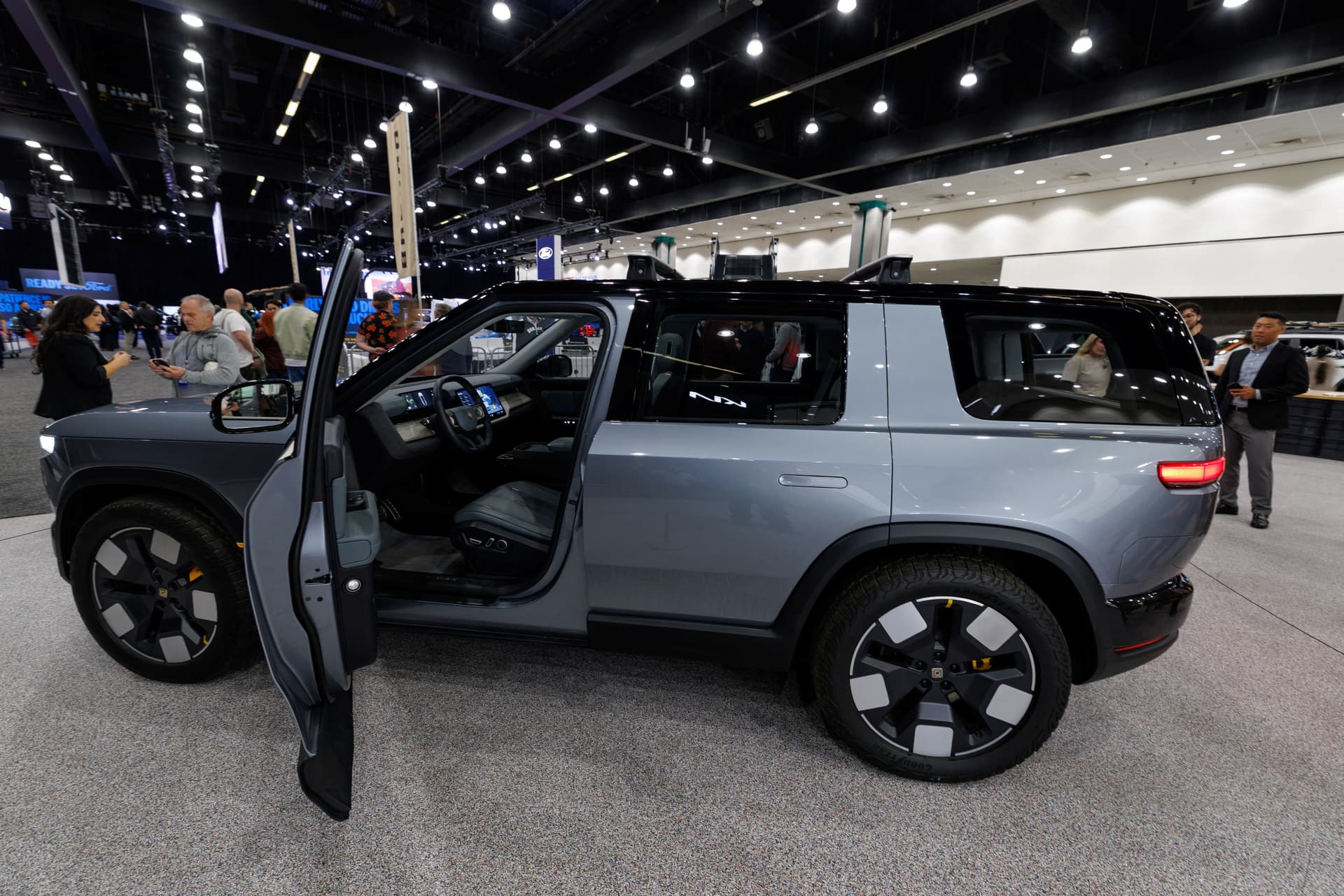
Lucid pulls annual guidance as inventory swells, costs rise, deliveries miss targets
Lucid cut its full-year outlook after Q1 deliveries fell to 3,093, inventory swelled and Gravity SUV shipments were hit by a 29-day pause and a safety recall.

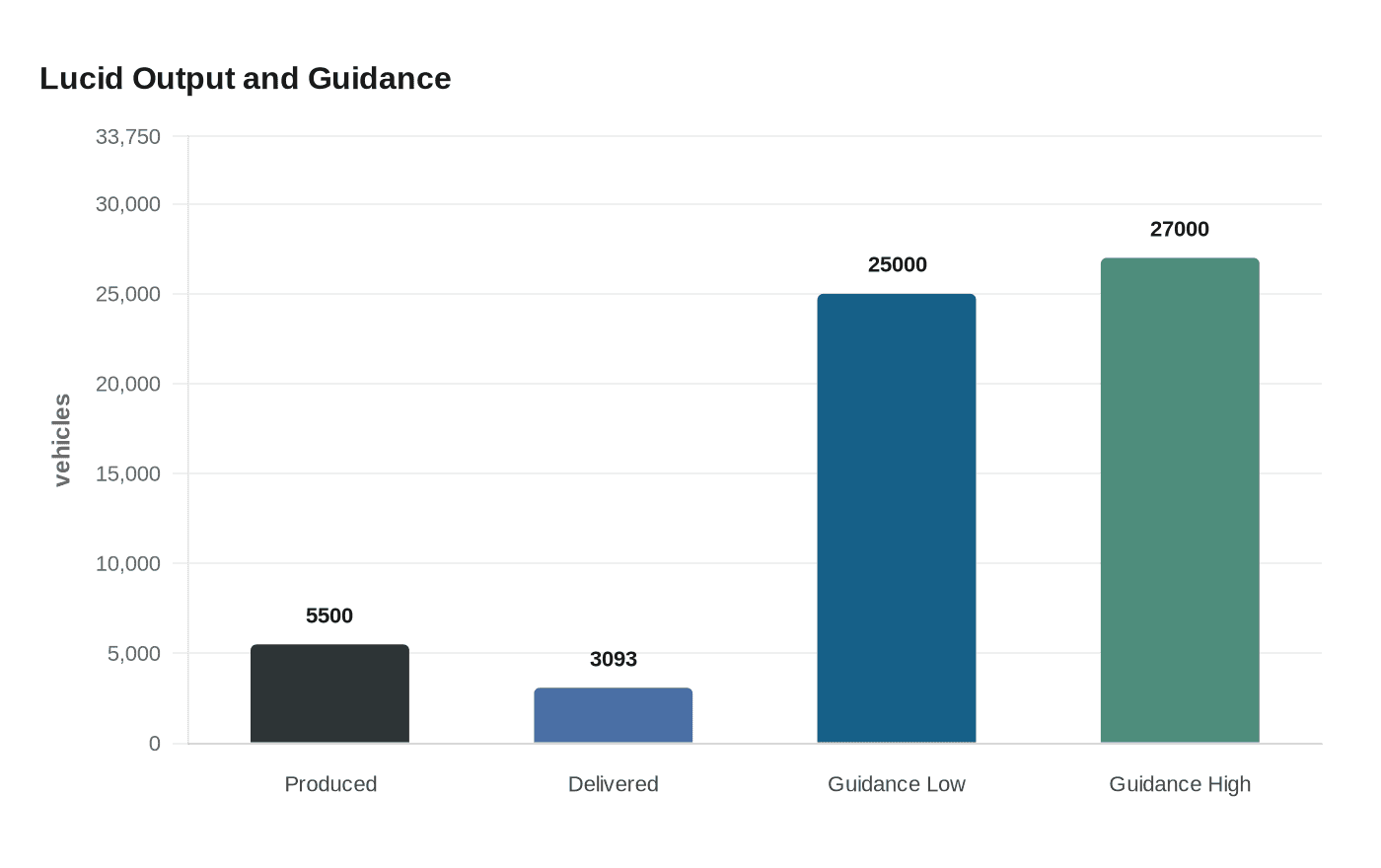
Lucid pulled its annual production guidance after a first quarter that exposed a widening gap between what the company built and what it could actually sell. The luxury EV maker produced 5,500 vehicles and delivered 3,093, both below Visible Alpha estimates, as swelling inventory, rising costs and a string of supply setbacks forced it to reset expectations for 2026.
The numbers underline a credibility problem as much as a demand problem. Lucid had been guiding to 25,000 to 27,000 vehicles this year, but it now says it will take steps to better align production with customer demand. The company said there is no current plan to idle its sole U.S. plant, a sign that management wants to avoid the factory shutdowns and sharp output cuts that often follow a buildup of unsold cars.
Gravity SUV deliveries were a major drag on the quarter. Lucid said shipments were paused for 29 days after a supplier quality issue involving second-row seats, and it later recalled 4,476 Gravity SUVs built between December 2024 and February 2026 because seatbelt anchor welds did not meet safety standards. Those disruptions help explain why Lucid’s deliveries lagged production so sharply, even as the company tries to scale its most important new model.

The reset lands in a tougher operating environment for the broader EV market. Lucid said it is dealing with tariffs on auto parts imports, a chip shortage, uncertain rare-earth supplies and a September fire at an aluminum supplier. Those headwinds matter because luxury EV buyers have more choices than they did two years ago, and price competition across the sector has made it harder for newer brands to convert interest into steady orders.
Lucid’s production nearly doubled in 2025 to 17,840 vehicles, which makes the latest retreat from guidance especially consequential for investors watching whether the company can turn volume growth into revenue. The company enters this phase with about $4.7 billion in pro forma liquidity after a capital raise and an increased DDTL, and with fresh leadership changes in motion. On April 14, Lucid named Silvio Napoli as its next chief executive, with interim CEO Marc Winterhoff set to return to the chief operating officer role once Napoli takes over.
That same day, Lucid said it expanded its robotaxi partnership with Uber to at least 35,000 vehicles and disclosed new investments, including from Saudi Arabia’s Public Investment Fund. For Lucid, the challenge now is whether those financing and partnership wins can offset the harder truth exposed in the first quarter: in a market crowded with rivals, production growth alone no longer guarantees demand, deliveries or credibility.
This article was produced by Prism’s automated news system from verified source data, official records, and press releases, then run through automated quality and moderation checks before publishing. The system is built and supervised by the people who set the standards it runs under. Read our full AI policy.
Did this article answer your question?
%3Amax_bytes(150000)%3Astrip_icc()%2FCertificate-of-deposit-2301f2164ceb4e91b100cb92aa6f868a.jpg&w=1920&q=75)