Lula and Sánchez champion multilateralism, sign trade and rare earth deals in Barcelona
Lula and Sánchez turned Barcelona into a showcase for progressive alignment, pairing 15 bilateral deals with a challenge to nationalism and the far right.
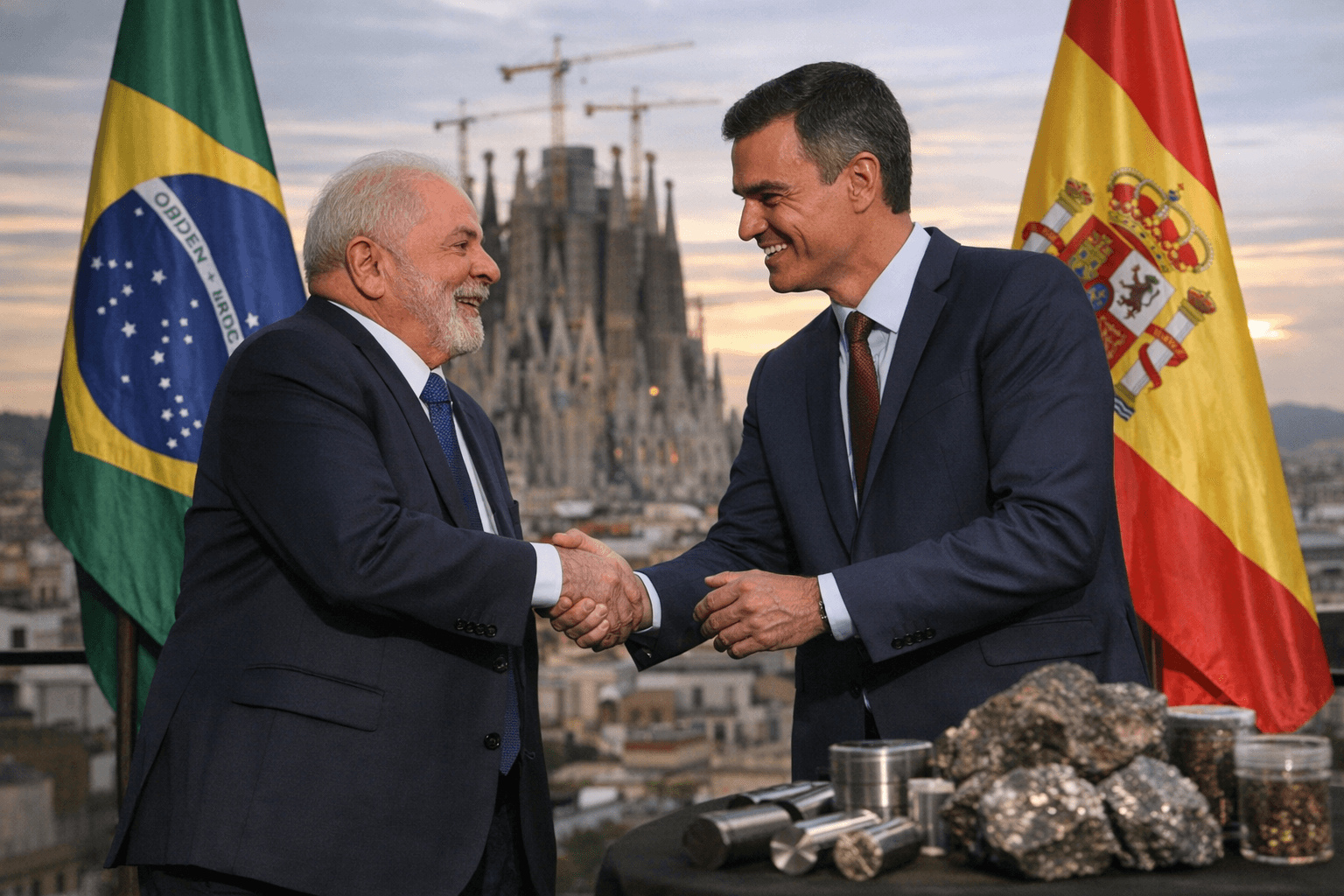
Brazilian President Luiz Inácio Lula da Silva and Spanish Prime Minister Pedro Sánchez used Barcelona to project a transatlantic progressive front, mixing anti-war rhetoric with a concrete package of 15 cooperation agreements on trade, satellite links and rare earths.
The encounter came as the first Global Progressive Mobilization opened at Fira Gran Via, drawing more than 3,000 participants from over 100 organizations to a two-day meeting meant to coordinate responses to the rise of the far right. Lula began a two-day visit to Spain and met Sánchez before joining other leaders, including Yolanda Díaz, Stefan Löfven, Gustavo Petro and Yamandú Orsi, in a gathering backed locally by Jaume Collboni and Salvador Illa.
Both leaders cast the summit as more than a party showcase. They framed it as a bid to build a cooperative international order at a moment when nationalism and democratic backsliding are pressuring old alliances. Sánchez said the goal was to work for peace and strengthen multilateralism, while Lula and Sánchez both warned that the wars in the Middle East and elsewhere were deepening instability and pushing up energy prices.
The political tone carried practical weight. Spain said it would close its airspace to U.S. planes used in the Iran war and would not allow the United States to use jointly operated military bases in southern Spain for actions tied to the conflict. Lula also showed solidarity earlier in the week with Pope Leo XIV after the pontiff’s criticism of the war drew backlash from Donald Trump, aligning his message with the pope’s repeated April calls for world leaders to return to negotiations and reject war.
Yet the Barcelona meeting was not only symbolic. The 15 agreements signed by Brazil and Spain touched strategic sectors that matter for the long run, especially rare earths, a field where Brazil holds the world’s second-largest reserves. That gives the partnership added weight in the energy transition and the race to secure materials for high-performance electric vehicles and other clean-tech industries.
The deeper question is whether Barcelona marked the start of a durable transatlantic counterweight to the hard right, or simply a highly staged moment of progressive branding. The summit’s organizers clearly wanted both: a show of solidarity against authoritarian politics and a network that could translate shared language on human rights, environmental protection and gender equality into policy. The deals signed in Barcelona gave the meeting substance; the test now is whether the coalition can turn that symbolism into coordination that lasts beyond the stage.
This article was produced by Prism’s automated news system from verified source data, official records, and press releases, then run through automated quality and moderation checks before publishing. The system is built and supervised by the people who set the standards it runs under. Read our full AI policy.
Did this article answer your question?


