Lula confirms February India visit and plans Washington trip afterward
Lula will visit India in February and plans to travel to Washington afterward, signaling an effort to deepen ties with two major powers.
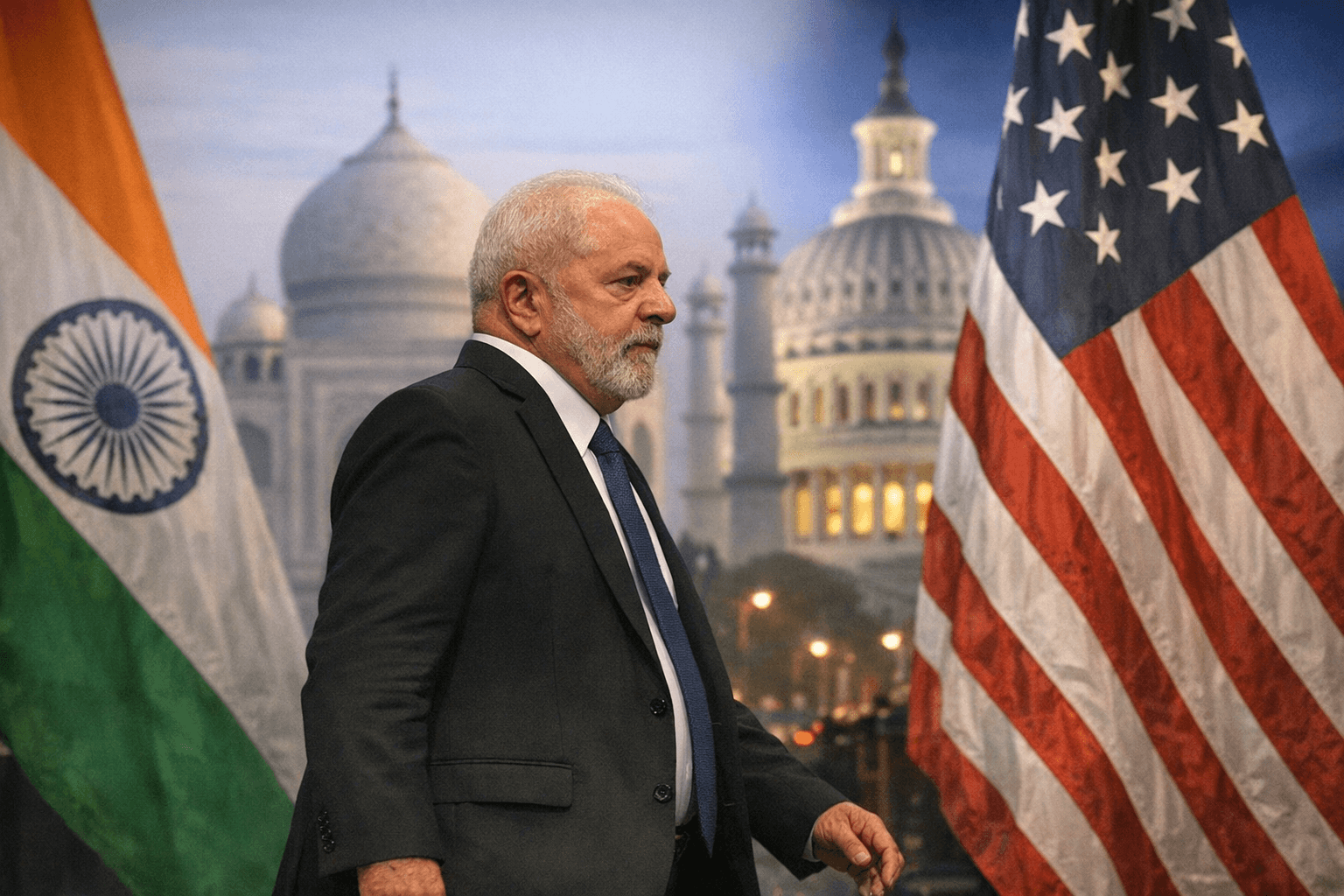
Brazilian President Luiz Inácio Lula da Silva announced he will travel to India in February and follow with a visit to Washington, a plan disclosed on Jan. 27, 2026 in a readout of a call with U.S. President Donald Trump. Lula also posted the itinerary on X, the platform formerly known as Twitter, outlining the back-to-back diplomatic engagements.
The twin visits mark a high-profile diplomatic sprint that places Brazil at the center of competing economic and strategic interests. India, a fellow emerging power and a leading voice for the Global South, has expanded trade and technological ties with Latin America in recent years. A February trip would allow Lula to engage with New Delhi at a time when India is intensifying its outreach to resource-rich and politically significant partners outside the traditional Western orbit.
A subsequent trip to Washington signals a parallel intent to maintain or rebuild working ties with the United States. The readout of the presidential call frames the sequence as coordinated diplomacy, with Lula positioning Brazil as an interlocutor capable of navigating relations with both Washington and other major capitals. The itinerary underscores Brazil's longstanding desire to exercise independent foreign policy while maximizing opportunities for trade, investment and climate cooperation.
Analysts say the visits are likely to cover a mix of economic and strategic agendas. With India, Brazilian officials would be expected to discuss agricultural trade, mineral and energy supplies, digital cooperation and coordination within multilateral groupings. With the United States, topics are likely to include bilateral trade issues, investment flows, regional security, and environmental commitments tied to the Amazon, where international concern has often intersected with national sovereignty.
Diplomacy between Brasília and these capitals is shaped by overlapping imperatives: domestic economic recovery, the momentum of global competition, and pressure to meet international climate commitments. Brazil, as a G20 member with vast natural resources and agricultural output, can leverage state-level partnerships to attract technology and capital while asserting its regulatory and environmental priorities under international law frameworks such as the Paris Agreement and WTO rules.
The sequence of trips also carries geopolitical symbolism. Visiting New Delhi first signals an embrace of South-South cooperation and diversified partnerships; following with Washington indicates a pragmatic reset or reinforcement of ties with the United States. For Washington, a high-level meeting with Lula provides an opportunity to engage a Latin American leader who can influence regional trade alignments and environmental outcomes. For India, a Bolsonaro-era drift in ties has been replaced by more transactional engagement, and Lula's visit could deepen economic corridors and political alignment on multilateral issues.
Timing and concrete outcomes will depend on agendas agreed by the delegations, which have not been published beyond Lula’s X post and the call readout. Observers will watch for formal agreements on trade, investment pledges, climate financing or joint statements on international governance. How Brazil balances commercial interests with environmental stewardship and sovereign prerogatives will shape both the substance and reception of these visits across capitals in Asia, the Americas and Europe.
This article was produced by Prism’s automated news system from verified source data, official records, and press releases, then run through automated quality and moderation checks before publishing. The system is built and supervised by the people who set the standards it runs under. Read our full AI policy.
Did this article answer your question?


