Lula to Press Trump on Crime Cooperation, Tariffs in Washington Talks
Lula went to Washington to test whether crime cooperation could ease a tariff fight with Trump. The talks came after a 50% tariff clash and fresh scrutiny of Brazil’s trade policies.
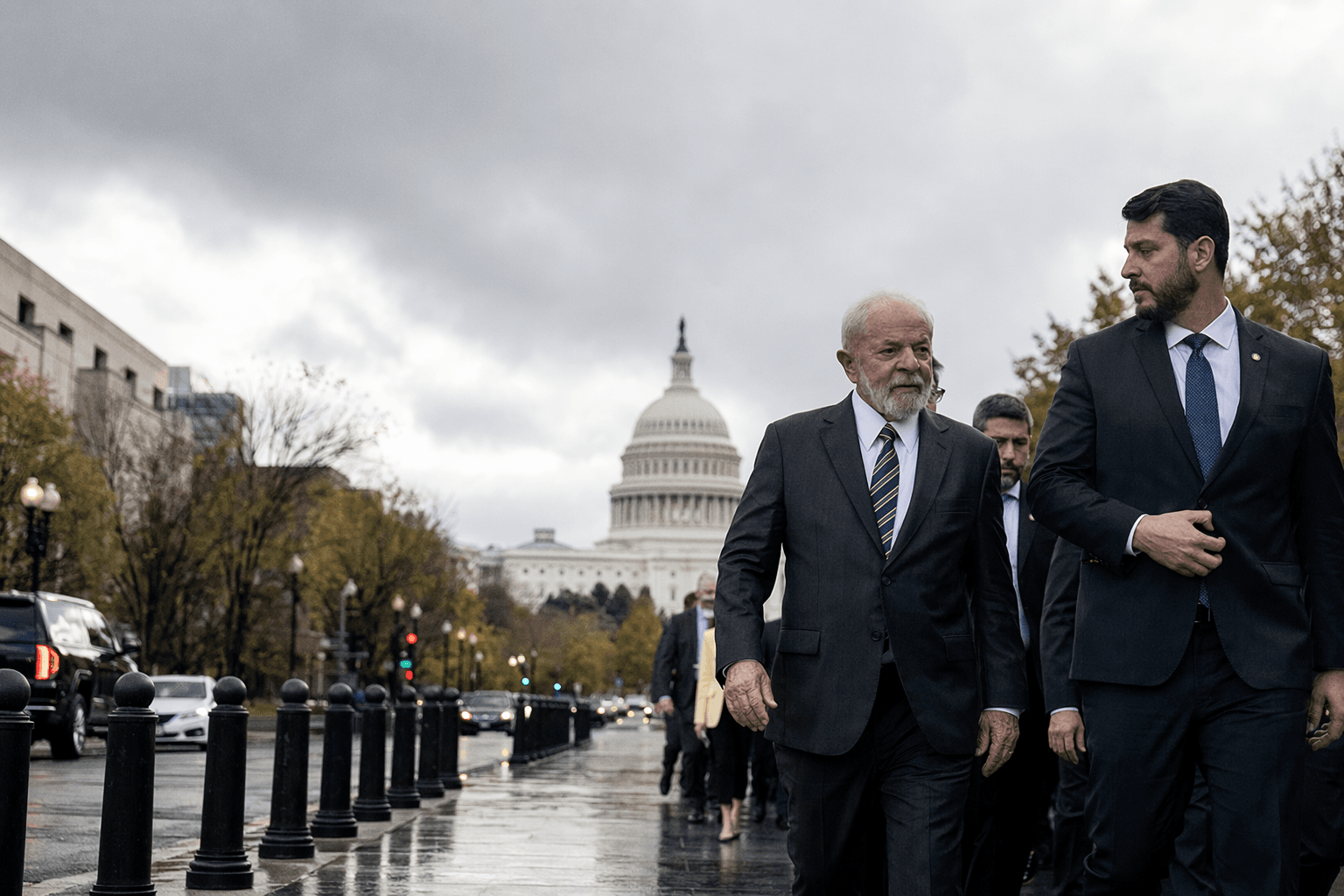
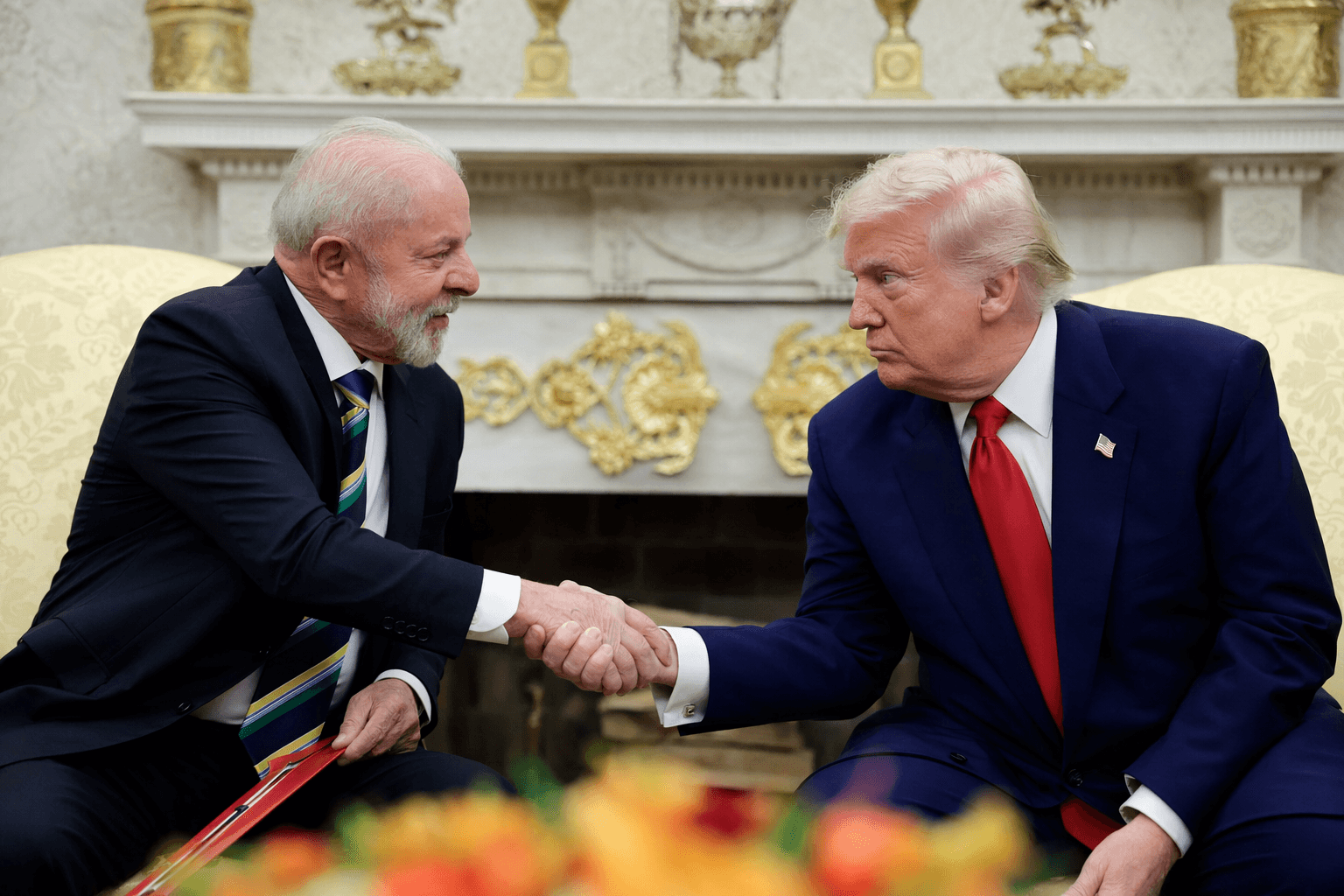
Luiz Inácio Lula da Silva met Donald Trump in Washington with a narrow but politically loaded agenda: cooperation against organized crime and relief from tariff pressure. The encounter put Brazil’s president in the position of asking for practical gains while trying to keep the talks from turning into a broader confrontation over trade, sovereignty and U.S. leverage.
The meeting came after a year of strained ties. The Trump administration had imposed a 50% tariff on Brazilian goods, then later loosened some of those duties. Lula and Trump began to repair the relationship at the United Nations General Assembly in New York in September 2025, held their first private meeting in Malaysia in October 2025 and then followed up with phone calls. Even with that thaw, trade remained central, and Brazil came into Washington determined to argue that the bilateral balance is favorable to the United States and that Brazil should not be treated as a subordinate market.
Brazil had already spent two days in Washington answering U.S. questions tied to the Section 301 investigation launched by the U.S. Trade Representative on July 15, 2025. That probe covers digital trade and electronic payment services, preferential tariffs, anti-corruption interference, intellectual property protection, ethanol market access and illegal deforestation. Brazil’s foreign ministry said its delegation had provided all requested clarifications on Pix, ethanol, intellectual property and environmental issues, a sign that the technical file is now inseparable from the political one.
Security gave the White House another opening. Brazilian Vice President Geraldo Alckmin said Lula would raise an agreement to combat organized crime, and Reuters reported that the Trump administration has considered designating Brazil’s two biggest criminal factions, Red Command, or CV, and First Capital Command, or PCC, as foreign terrorist organizations. That possibility would mark a major escalation, giving Washington a stronger hand in Brazil’s domestic-security debate while raising questions about how far U.S. pressure could reach inside another country’s policing and prosecutorial choices.
Rare earths added a third layer. Brazil holds the world’s second-largest reserves, and Lula’s government has signaled that it does not want the country reduced to a raw-material supplier. The talks therefore brought together three hard interests at once: market access, internal security and strategic minerals. For Brazil, the prize is predictability for exporters and protection against new tariff or sanctions pressure. For Trump, the value lies in extracting concessions on trade and security without surrendering leverage. If the two sides found even a limited understanding, it could shape customs policy, enforcement cooperation and investor confidence well beyond the Oval Office.
This article was produced by Prism’s automated news system from verified source data, official records, and press releases, then run through automated quality and moderation checks before publishing. The system is built and supervised by the people who set the standards it runs under. Read our full AI policy.
Did this article answer your question?


