Lumber tightness could push U.S. prices higher in late 2026, affecting blanks
An industry analysis this month projects U.S. lumber prices to rise in the second half of 2026 as supply tightens, a shift that could affect availability and cost of turning blanks.
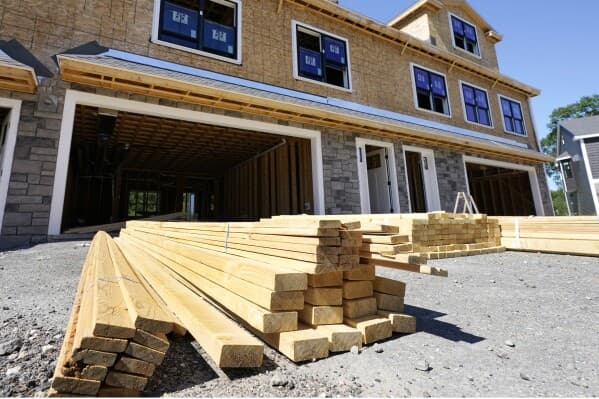
An industry analysis this month examined current lumber market dynamics and concluded that U.S. lumber prices were likely to rise in the second half of 2026 as supply tightens. The analysis pointed to a mix of seasonal demand patterns, limited sawmill capacity, constrained log availability and geopolitical trade pressures as the main factors pushing the market toward tighter balances later in the year.
Near-term signals reflected choppy price movements and uneven export performance from Baltic softwood markets, while investment in new sawmill capacity appeared to be slowly ramping. Those near-term trends matter to turners because they feed directly into the supply chain for fresh and kiln-dried blanks, specialty logs and common turning species. Where mills are operating near capacity, lead times for blanks and custom cut logs can lengthen and spot prices can spike without much advance warning.
Practical implications for woodturners are straightforward. If you source fresh logs for splitting and drying, expect potential competition for certain species and longer waits at the sawmill. If your projects depend on kiln-dried blanks or specific hardwoods, factoring a late-2026 price increase into your material budgets will reduce surprises. For those who buy blanks retail, regional softwood shortages or export shifts can push up costs for planks and blanks used for bowls, platters and spindle work.

Actions that help manage risk include confirming delivery schedules with mills and suppliers, locking in orders for kiln-dried stock where feasible, and expanding your species list to include reliable local options. Air-drying logs you can source now will give you time to turn when prices rise, and coordinating bulk purchases with other turners or local guilds can soften price shocks. Keep an eye on sawmill expansion projects and Baltic export trends as indicators of whether supply pressure will ease or intensify.
This market outlook matters most to turners who sell work or who rely on steady supplies of specific blanks. Expect marginally higher costs and tighter availability in the latter half of 2026 unless sawmill capacity and log supply improve faster than current indicators suggest. Monitor supplier communications, plan purchases sooner rather than later, and consider air-drying or alternative species to keep projects moving without being squeezed by market fluctuations.
Sources:
Know something we missed? Have a correction or additional information?
Submit a Tip