Magnitude 4.9 quake near Joshua Tree triggers 200-plus aftershocks
A magnitude 4.9 quake near Joshua Tree has been followed by more than 200 aftershocks in 24 hours, renewing concerns about regional swarm activity.
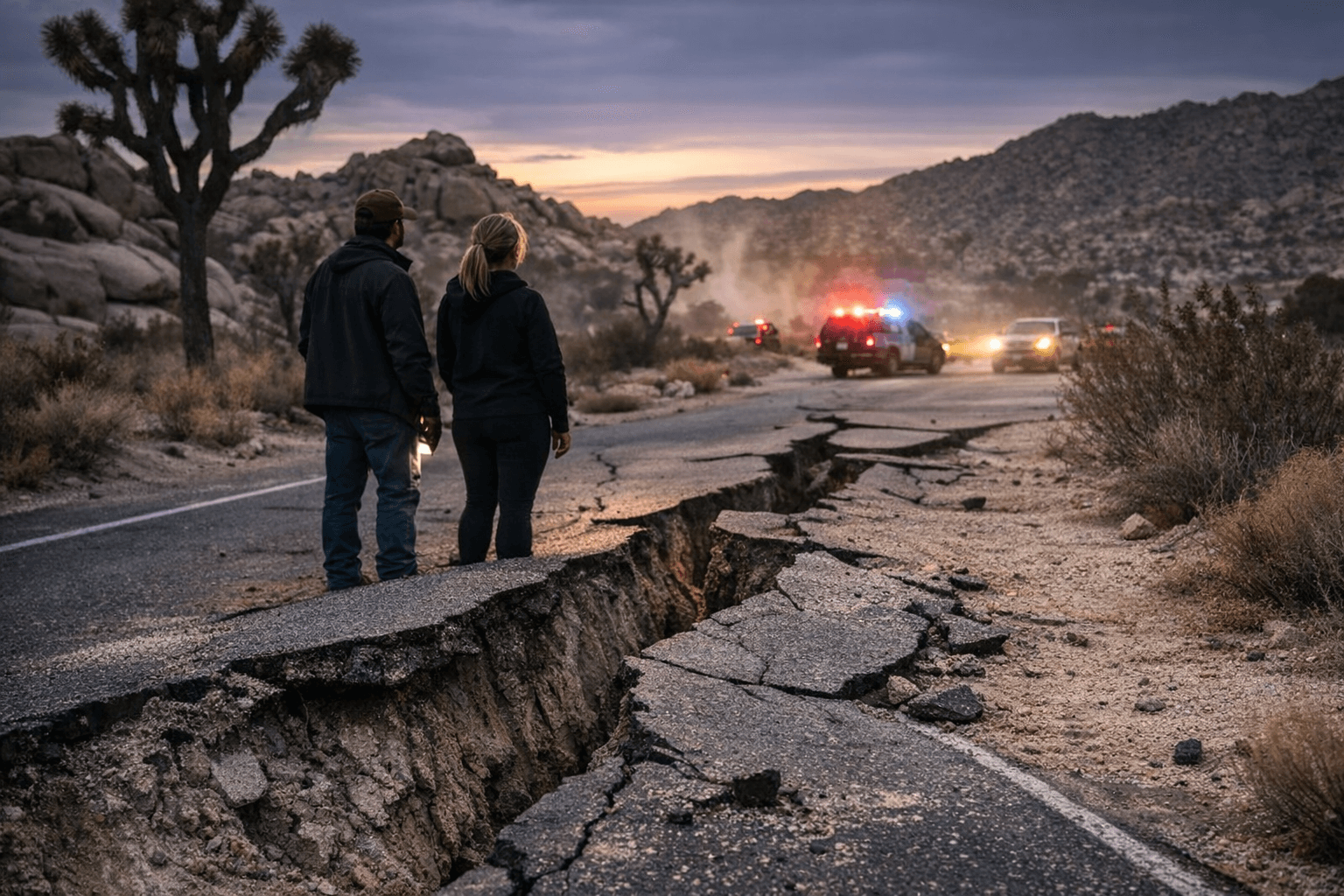
A magnitude 4.9 earthquake struck near Joshua Tree National Park and has been followed by more than 200 aftershocks within the subsequent 24 hours, seismic monitoring agencies report. Several of the aftershocks measured magnitude 3.0 or greater, but the immediate reports do not list any damage, casualties, or official emergency actions tied to the sequence.
Local and regional seismic networks cataloged the mainshock and the dense cluster of smaller events on Jan. 20–21, 2026. The size and rapid cadence of the aftershocks aligns with classic aftershock decay patterns, but the sheer number of events in a single day has heightened concern among residents and emergency planners who recall earlier periods of persistent seismicity. Jones, describing previous sequences, said, “nothing happened, but we kept on having all these aftershocks sitting there right near the San Andreas and making us uncomfortable and worrying about it.”
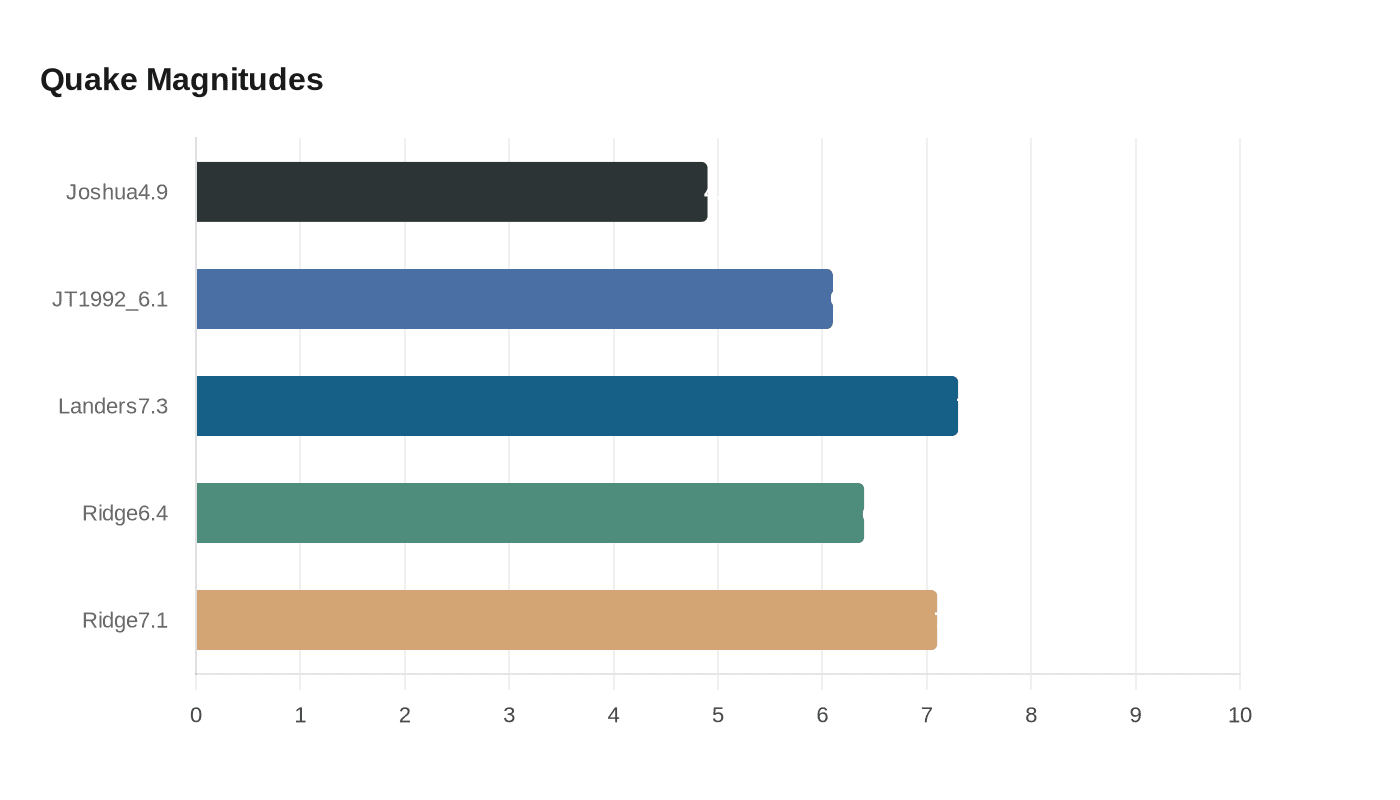
Seismologists will be scrutinizing the aftershock catalog and waveform data to map fault interactions and any stress transfer that might influence nearby segments of the San Andreas fault system. Historical precedent shows that clusters can sometimes portend larger ruptures: a magnitude 6.1 temblor struck near Joshua Tree on April 22, 1992, with an epicenter about six miles from the San Andreas fault, prompting a state advisory in Southern California. That spring and summer produced the larger magnitude 7.3 Landers earthquake on June 28, 1992, after sequences of migrating aftershocks reactivated faults across the Mojave Desert. More recently, the July 2019 Ridgecrest sequence began with a magnitude 6.4 event followed within 27 hours by a magnitude 7.1 rupture, underscoring how clusters sometimes evolve in unexpected ways.
The Joshua Tree swarm is occurring against a backdrop of elevated small-magnitude activity across Southern California and beyond. The U.S. Geological Survey reports a separate swarm in the East Bay suburb of San Ramon that has produced at least 80 earthquakes of magnitude 2.0 or greater since Nov. 9, with a magnitude 4.0 event followed by a magnitude 3.9 the next night. Similar low- to moderate-magnitude clusters have been recorded in Malibu, El Sereno and Ontario since 2024. None of these recent swarms have yet produced a major rupture, but their persistence contributes to public anxiety and renewed discussion about preparedness for a potentially larger event.
Economically, a magnitude 4.9 event with limited damage is unlikely to move broader financial markets, but recurring swarms can have local economic effects. Repeat shaking raises the probability of inspections and retrofits for critical infrastructure, can disrupt tourism for affected parks and small businesses, and influences insurer loss models and municipal bond risk assessments. Public agencies may face added near-term costs to inspect bridges, water systems and utility corridors in high-frequency zones.
For now, officials and scientists emphasize monitoring and readiness. Seismologists are expected to refine location and depth estimates and update aftershock probabilities as more data arrive. Emergency managers say routine preparedness measures remain the most effective mitigation: secure heavy objects, review family plans, and ensure critical infrastructure inspections are current. In the longer term, the accumulation of swarms since 2024 will keep shoring up arguments for sustained investment in seismic resilience across the region.
This article was produced by Prism’s automated news system from verified source data, official records, and press releases, then run through automated quality and moderation checks before publishing. The system is built and supervised by the people who set the standards it runs under. Read our full AI policy.
Did this article answer your question?