Maine Senate race tightens as Collins faces newcomer Platner in 2026 showdown
Susan Collins is again defending a seat Maine has often split, but the Democratic field has narrowed around oyster farmer Graham Platner after Janet Mills suspended her bid.
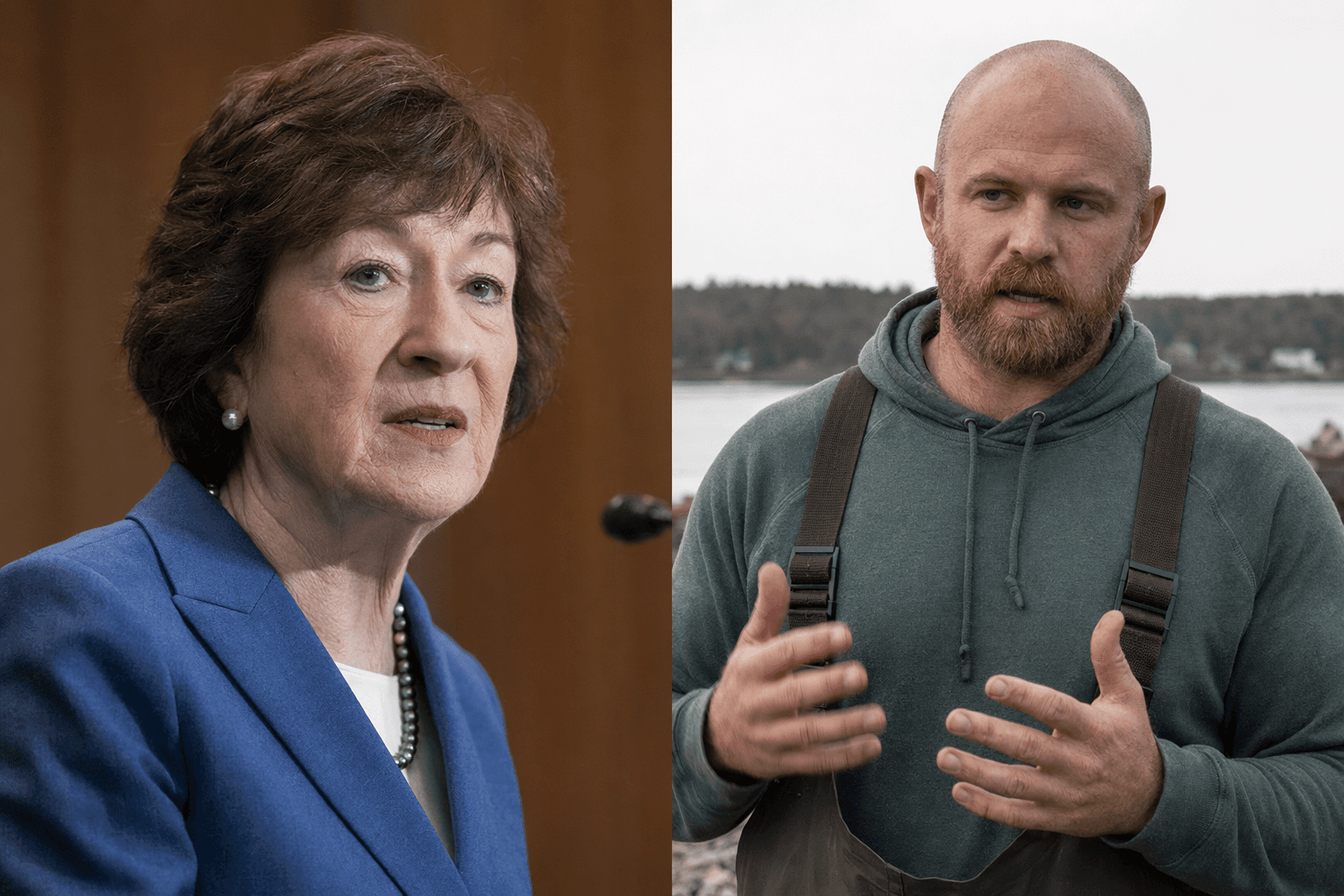
Maine’s reputation for ticket-splitting is under strain again, and Susan Collins is testing whether her long-cultivated brand of independence can still outrun the anti-establishment anger now shaping one of the country’s most closely watched Senate races.
The contest for Maine’s Class II U.S. Senate seat will open with a Democratic primary on June 9, 2026, and end with the general election on November 3. Collins, who first took office on January 3, 1997, has won reelection in 2002, 2008, 2014 and 2020, when she became the first-ever Republican woman to win a fifth Senate term. Her current term runs through January 3, 2027, and she has said she would make the next term her last if reelected, putting a possible sixth term within reach.
Democrats see Maine as one of their clearest pickup opportunities, a race with implications far beyond Augusta. The field narrowed sharply on April 30, 2026, when Gov. Janet Mills suspended her campaign, leaving Graham Platner, an oyster farmer and political newcomer, as the dominant Democrat in the race. Ballotpedia said three Democrats were running in the primary as of mid-April, but Platner and Mills had drawn most of the attention, money and endorsements.
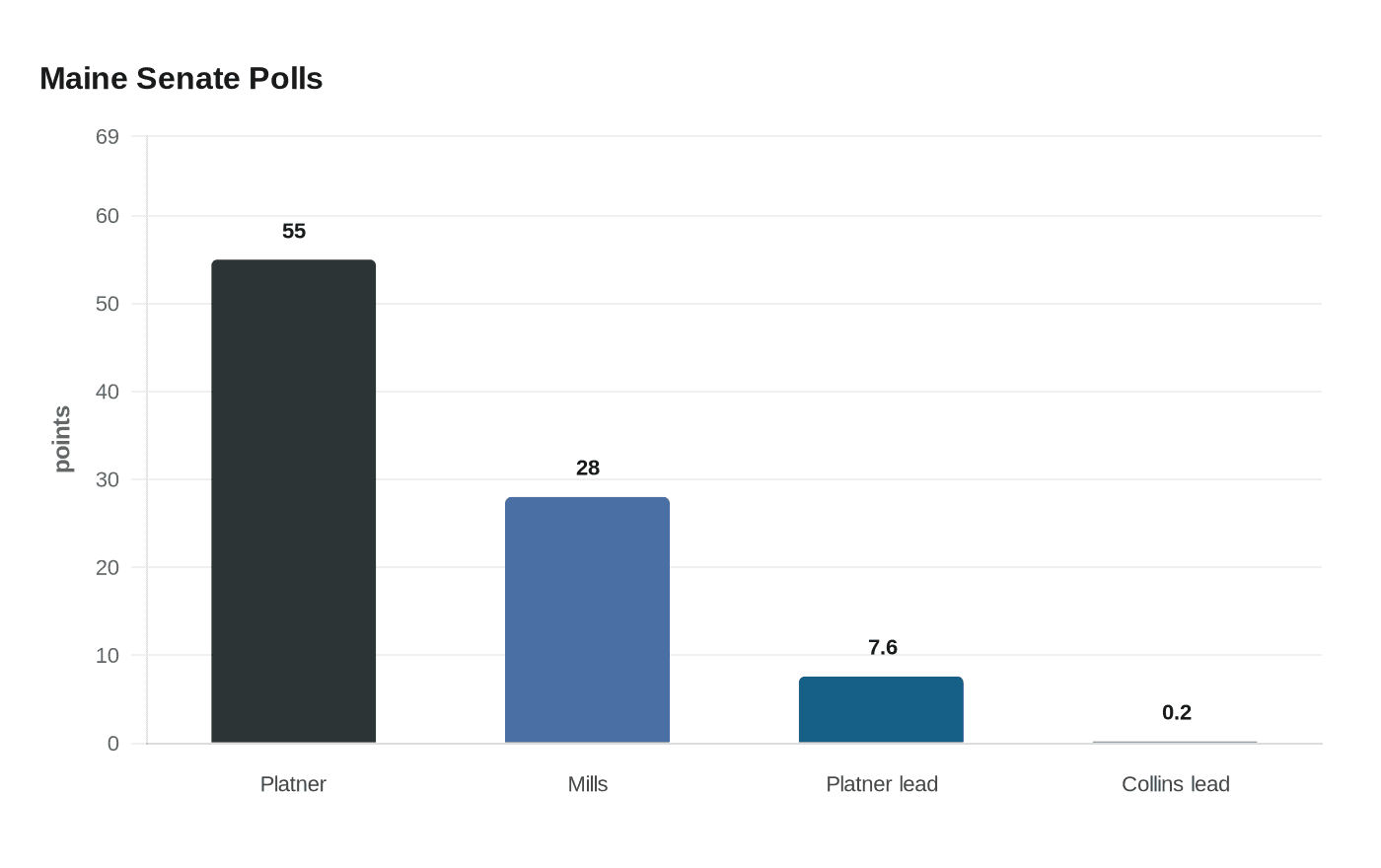
Early polling suggested that Democratic voters were moving toward the newcomer. Emerson College Polling found Platner ahead of Mills 55% to 28% in the primary, a striking result for a candidate with no prior statewide profile. In the general election, RealClearPolling showed Platner ahead of Collins by 7.6 points in its Collins-versus-Platner average. That was a sharper Democratic edge than in the earlier Collins-versus-Mills matchup, where a RealClearPolitics average had Collins ahead by 0.2 points.
Collins still brings advantages that have carried her through repeated challenges in a state that often votes Democratic in federal presidential contests. She has a long record of statewide wins, a reputation for working across party lines and the fundraising and incumbency benefits that come with a quarter-century in the Senate. But those strengths are being tested in a political climate shaped by distrust of Washington and resentment over Trump-era politics.
That pressure has been sharpened by immigration politics in Maine. In February 2026, The Hill reported that an ICE surge in the state had put Collins on the defensive, underscoring how quickly local anxieties can bleed into a race that Democrats believe could help determine control of the Senate. For Collins, the challenge is no longer just preserving a personal brand. It is proving that moderate incumbency can still hold in a cycle when even Maine’s habits of split-ticket voting may no longer be enough.
This article was produced by Prism’s automated news system from verified source data, official records, and press releases, then run through automated quality and moderation checks before publishing. The system is built and supervised by the people who set the standards it runs under. Read our full AI policy.
Did this article answer your question?

