War Powers Deadline Puts Congress Under Pressure Over Iran Conflict
Republicans who backed Trump are facing a war-powers deadline as the Iran clock hits 60 days, forcing a choice between backing the White House or reasserting Congress.
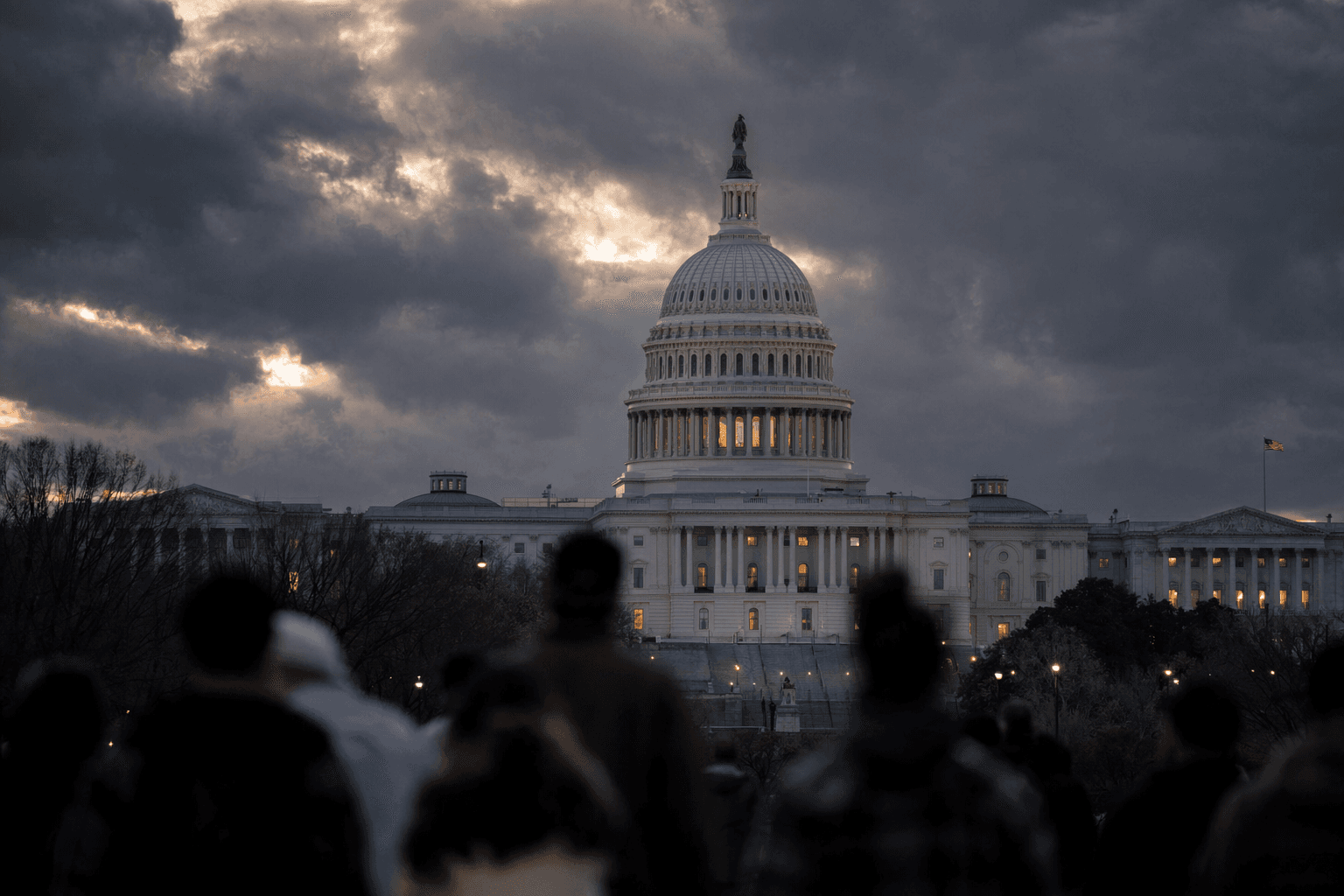
Republicans who spent weeks standing behind Donald Trump on Iran were under growing pressure as the 60-day war-powers deadline arrived, turning what had been a mostly quiet GOP question into a test of whether Congress would actually try to reclaim authority over war. The political risk is rising fast: some Republicans are uneasy with a conflict Trump said would last only a few weeks, and the coming fight could decide whether Congress simply complains or forces a real vote.
The 1973 War Powers Resolution requires the president to notify Congress within 48 hours of introducing U.S. forces into hostilities and gives lawmakers a 60-day window to authorize continued military action. It was written to ensure the “collective judgment” of Congress and the president on both the introduction and continuation of force. Under that framework, a joint resolution or bill can move on an expedited track if it is introduced within the first 30 calendar days of the 60-day period, giving Capitol Hill a narrow opening to act before the deadline closes.

Trump formally informed congressional leaders by letter on March 2, after the Iran conflict began on February 28, setting the clock to expire Friday, May 1. The White House has argued that a ceasefire has “terminated” hostilities and that the war-powers clock should stop there. Trump has also said every other president considered the War Powers Resolution unconstitutional, a view the administration says it shares. Critics say that position would give the president too much room to continue offensive operations without congressional approval.
The pressure is especially sharp because Senate Republicans already voted to block a War Powers Resolution aimed at ending the war at the 60-day mark. Democrats have tried repeatedly to halt the Iran war through the same mechanism, but the broader fight now centers on whether Republicans will keep deferring to the White House or force a debate over authorizing the conflict, setting a withdrawal timeline, or voting to end U.S. involvement altogether.
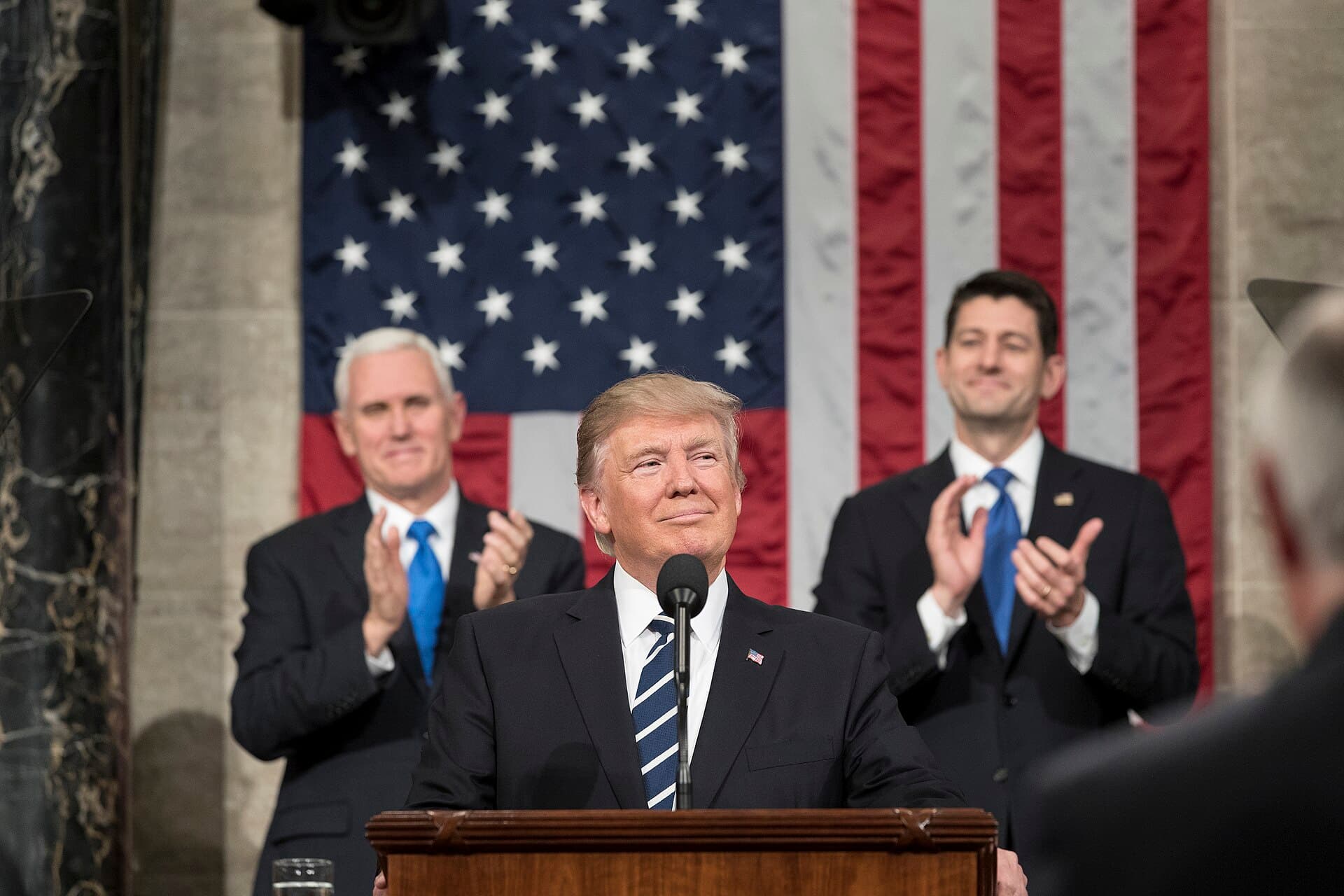
History offers little comfort to lawmakers trying to use the law as an enforcement tool. Congressional Research Service data show presidents submitted 168 reports under the War Powers Resolution from 1975 through March 2017, but only one, the 1975 Mayaguez seizure, explicitly cited the section that triggers the 60-day withdrawal requirement. That record has long underscored Congress’s weakness on war powers. With midterms looming and the Iran conflict still unresolved, this deadline is now a direct measure of whether Republican lawmakers will check a president from their own party or let the moment pass.
This article was produced by Prism’s automated news system from verified source data, official records, and press releases, then run through automated quality and moderation checks before publishing. The system is built and supervised by the people who set the standards it runs under. Read our full AI policy.
Did this article answer your question?

