Malaria deaths climbed in 2024, funding shortfall threatens progress
The World Health Organization says malaria killed about 610,000 people in 2024, reversing a decade of stalled progress and raising alarm over rising drug and insecticide resistance. With global investment at $3.9 billion against a $9 billion target, the WHO warns that cuts to international aid could trigger a renewed, widespread surge unless new tools and funding reach the hardest hit communities.
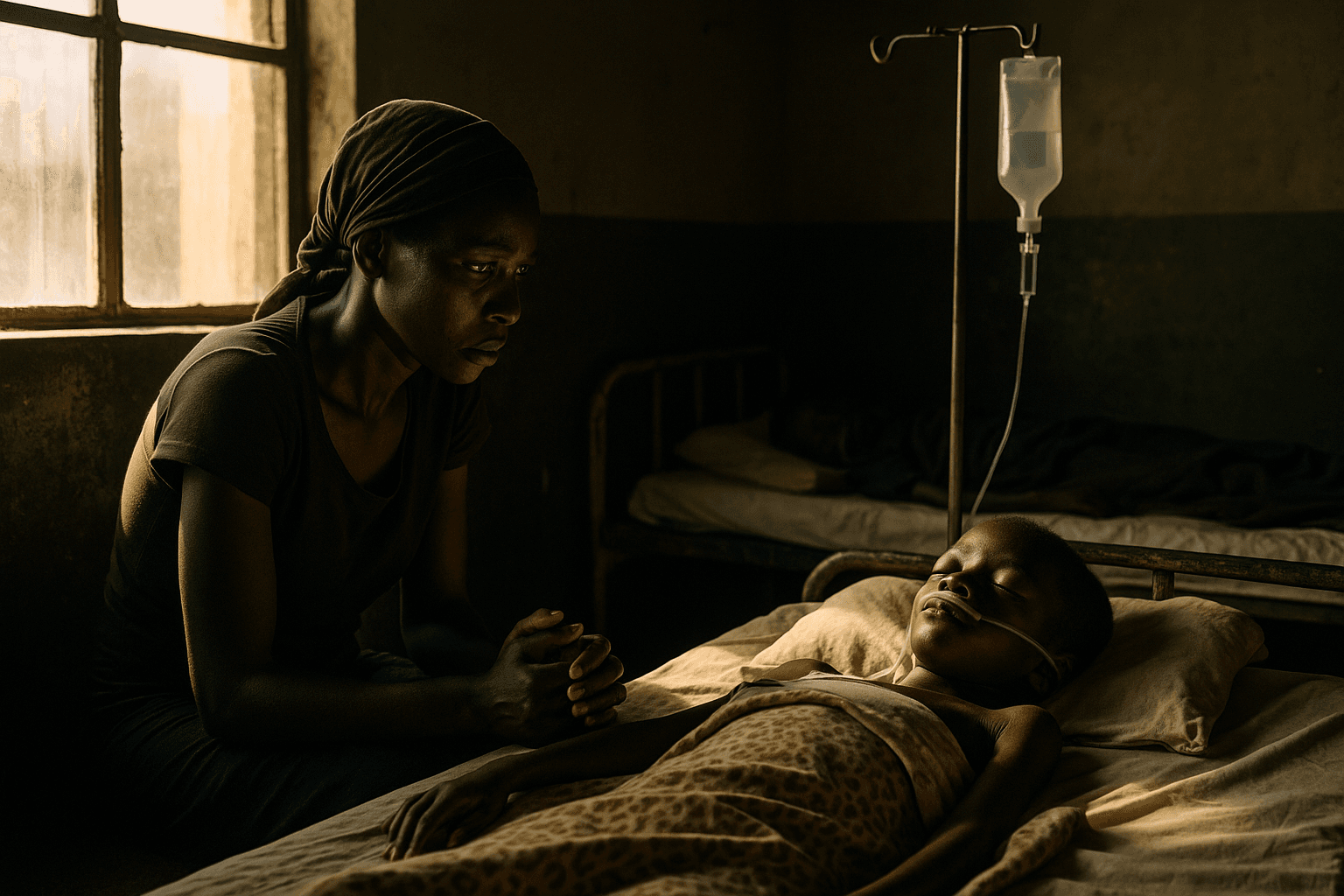
The World Health Organization reported on Thursday that malaria claimed approximately 610,000 lives in 2024, a slight increase from the previous year, with the vast majority of victims young children in sub Saharan Africa. The number of cases also rose, from an estimated 273 million in 2023 to 282 million in 2024, underscoring a fragile hold on gains achieved in the early 2000s and a decade of stalled progress that public health officials now fear could reverse further.
In its annual malaria report, WHO highlighted a converging set of threats that have eroded control efforts. Rising resistance to antimalarial drugs and to the insecticides used on bed nets has reduced the effectiveness of the main tools deployed against the disease. Climate change is expanding the geographic range and seasonality of malaria, while conflict and instability are disrupting prevention campaigns, diagnostics and treatment delivery. Insufficient financing compounds these operational challenges.
Total global investment in malaria control in 2024 was $3.9 billion, well below the $9 billion target set by international partners and researchers. The report warned that cuts to international aid risked a 'massive and uncontrolled resurgence' unless funding and access to new tools, including better diagnostics, treatments and vaccines, were rapidly scaled up and equitably distributed.
Experts say the funding shortfall is already manifesting in gaps across national programs. Surveillance systems in many high burden countries remain under resourced, limiting the ability to detect and respond to spikes in transmission or emerging resistance. Distribution of long lasting insecticidal nets and seasonal chemoprevention campaigns have been uneven, leaving vulnerable children exposed during peak transmission seasons. Where vaccines have been piloted or rolled out, supply and delivery constraints have prevented broad coverage.

The implications extend beyond immediate mortality. A resurgence of malaria would place renewed strain on health systems still coping with other infectious disease threats and would jeopardize child survival gains achieved over two decades. Economies in malaria endemic regions could suffer increased healthcare costs and lost productivity, reinforcing cycles of poverty and ill health.
Public health specialists and donor agencies underscore that addressing the crisis will require a central thrust: sustained financing, accelerated deployment of new medical and vector control tools, and robust strategies to manage and monitor resistance. Equitable distribution is critical, as the WHO stressed, because populations in the hardest hit areas carry the largest burden and the least capacity to respond.
The WHO report serves as a call to action ahead of international funding rounds planned for next year. Without rapid course correction, analysts warn that years of progress may be undone, and the burden of malaria will again surge in communities least equipped to bear it.
This article was produced by Prism’s automated news system from verified source data, official records, and press releases, then run through automated quality and moderation checks before publishing. The system is built and supervised by the people who set the standards it runs under. Read our full AI policy.
Did this article answer your question?