Mamdani marks Nakba Day, drawing praise and criticism in New York
Mamdani’s Nakba Day post, with a City Hall video and a Palestinian survivor, won praise from pro-Palestinian New Yorkers and fury from Jewish leaders.
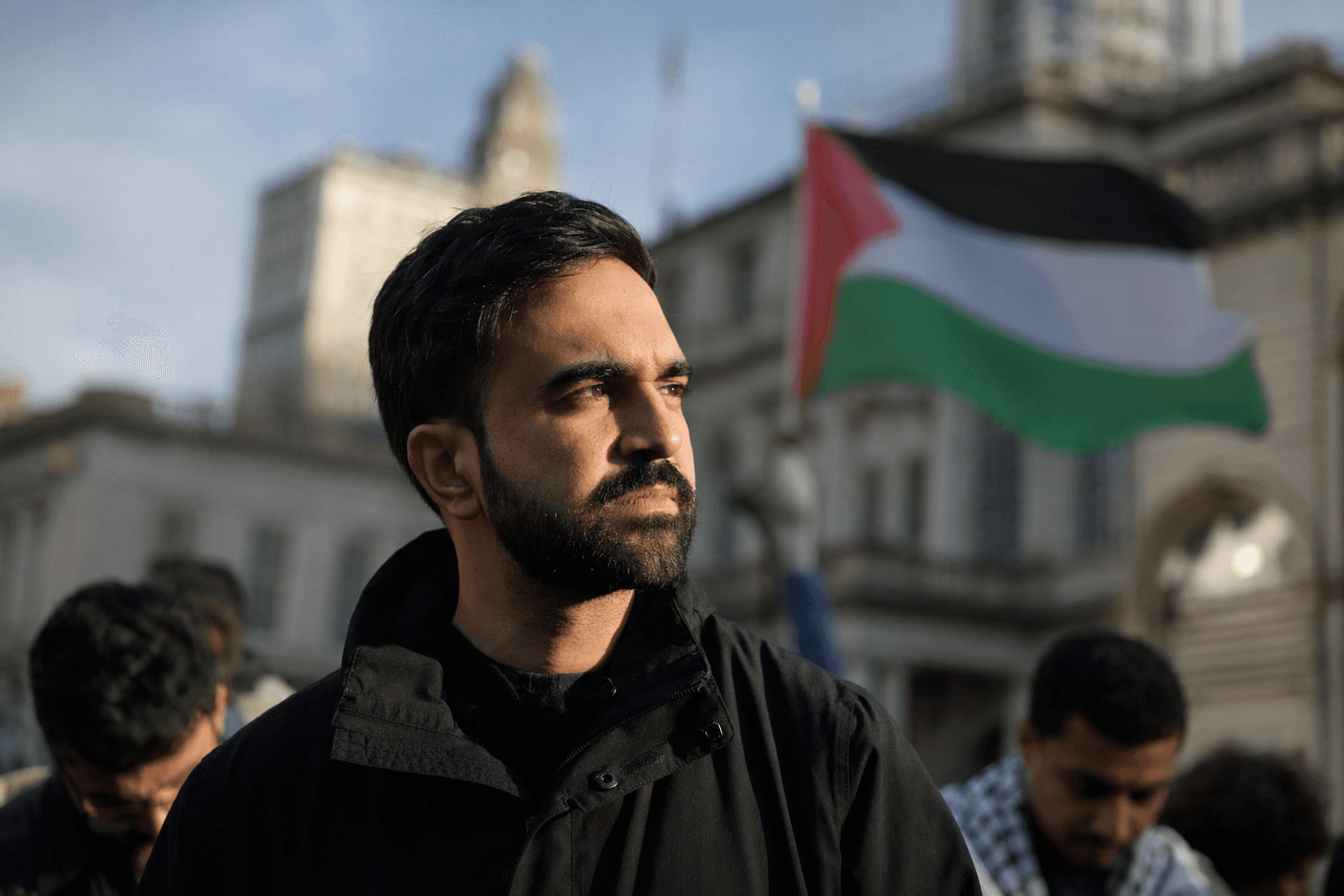
Zohran Mamdani’s Nakba Day message turned City Hall into a stage for one of New York’s most charged political arguments, drawing cheers from pro-Palestinian residents and backlash from leading Jewish groups. Posted Friday shortly before sundown and the start of Shabbat, the four-minute, documentary-style video featured Palestinian New Yorker Inea Bushnaq and described the Nakba as a catastrophe that continues today.
Nakba Day is observed each May 15 to commemorate the 1948 displacement of Palestinians during the creation of Israel. In mainstream historical references, that displacement is commonly placed at roughly 600,000 to 700,000 Palestinians, part of the wider upheaval of the 1948-49 Arab-Israeli War that helped secure Israel’s independence and set off a Palestinian refugee crisis. For many supporters of Mamdani, the post represented long-overdue acknowledgment of that suffering in official city communications.
For some Jewish leaders, the message went in the opposite direction. They said the post distorted or selectively framed history, and several Jewish groups in New York condemned the decision to elevate Nakba remembrance through the mayor’s office. The reaction reflected how fraught the symbolism remains in a city with about 1 million Jewish residents and a large pro-Palestinian constituency, where every public gesture on Israel and Palestine is measured for its political meaning.
The response also highlighted a deeper shift in city politics under Mamdani, New York City’s first Muslim mayor. Previous mayors have generally avoided official language that centered Palestinian memory in this way, especially around events tied to Israel’s founding. Mamdani’s use of City Hall imagery and a Palestinian resident’s testimony signaled a broader willingness to make that memory visible in mainstream Democratic politics, rather than treating it as a fringe or private position.
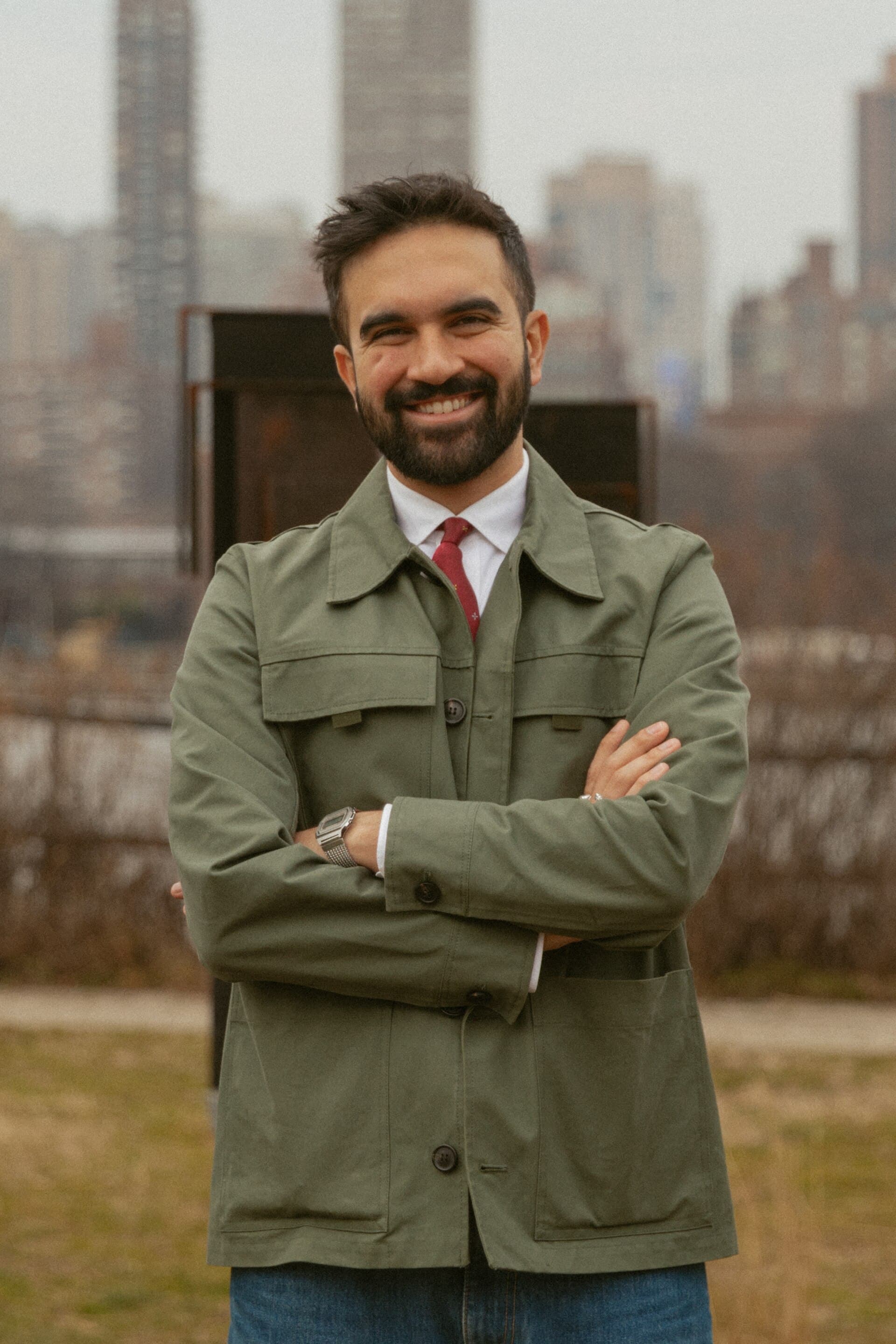
That shift comes with electoral context. Mamdani won the 2025 mayoral race with 1,114,184 votes, or 50.8 percent, and AP analysis found his strongest gains in Black and Hispanic neighborhoods. He performed poorly in Orthodox Jewish enclaves such as Borough Park and South Williamsburg, underscoring the city’s sharply divided response to his politics on Israel and Palestine. For supporters, the Nakba post was a recognition of Palestinian grief; for critics, it was another sign that City Hall’s boundaries have moved.
This article was produced by Prism’s automated news system from verified source data, official records, and press releases, then run through automated quality and moderation checks before publishing. The system is built and supervised by the people who set the standards it runs under. Read our full AI policy.
Did this article answer your question?

