Mamdani Pushes to Open Delivery Worker Shelter Within His First 100 Days
A federally funded deliverista hub outside City Hall sat unfinished for years until Mamdani set a hard 100-day deadline to open it for NYC's 65,000 delivery workers.
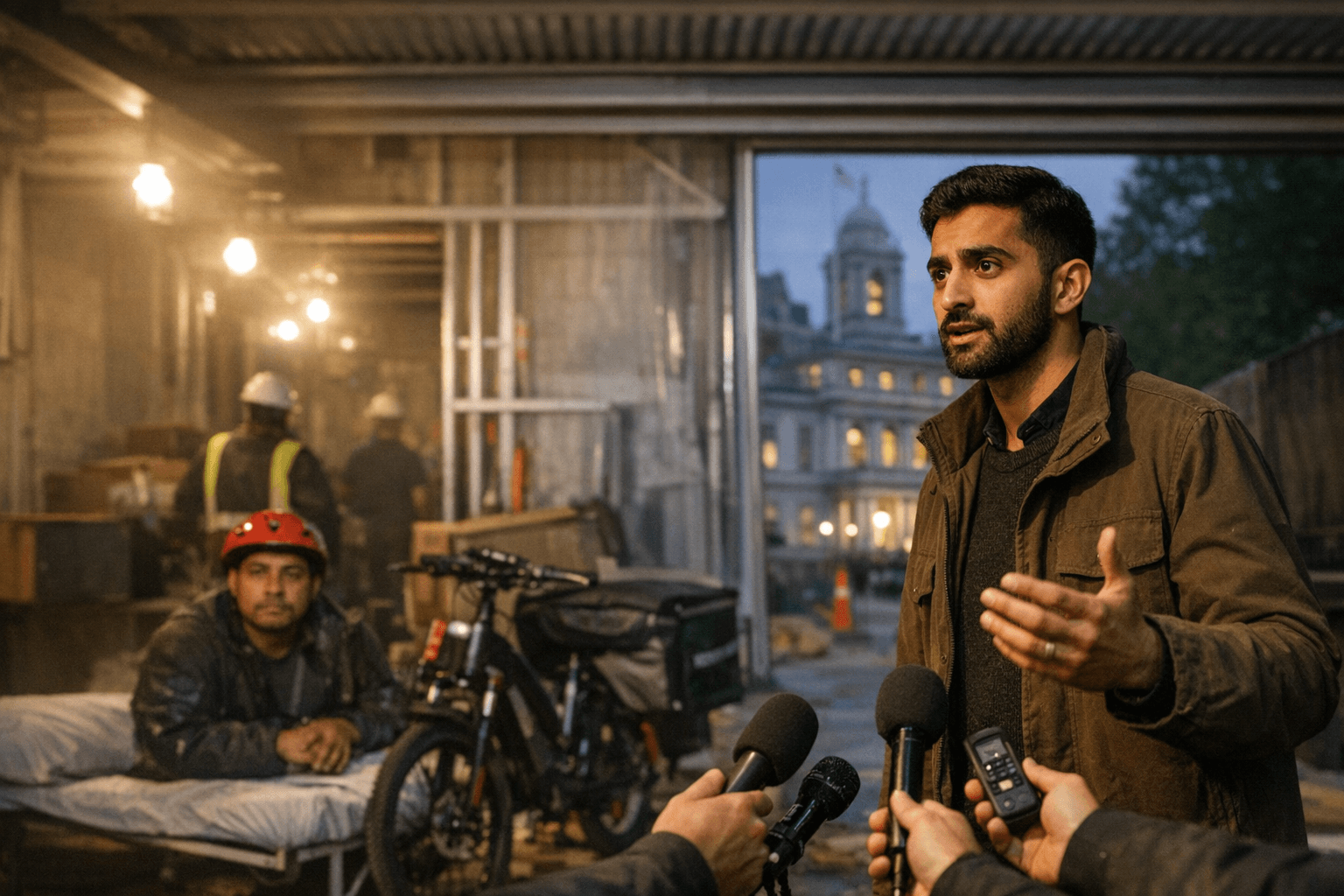
Three years after Sen. Chuck Schumer biked through Manhattan with delivery workers to announce federal funding for a permanent rest hub, the facility still had not opened. Mayor Zohran Mamdani decided that was unacceptable. With his 100th day in office arriving April 10, he pushed to finally cut the ribbon on the city's first deliverista hub, transforming a long-delayed civic project into a concrete test of whether City Hall could deliver fast-tracked worker protections.
The hub occupies the former site of a Koch-era newsstand on Broadway just outside City Hall, a plot that sat vacant for years before construction began in August 2025. The Workers Justice Project, which organizes delivery workers under the banner Los Deliveristas Unidos, broke ground on the project in partnership with the city, upgrading the site's electrical infrastructure before construction on the structure itself commenced. As of early April, it remained unfinished but visibly active.
When complete, the facility will house 48 e-bike chargers, an indoor rest area, space for bike repairs and tune-ups, and a small office. An exterior charging station will remain accessible around the clock via a smartphone app, while Workers Justice Project staff will operate the hub during peak delivery hours, running from late afternoon through the dinner rush. Designed by the Brooklyn-based firm Fantástica, the new structure is three feet wider, five feet longer, and six feet taller than the newsstand it replaced.
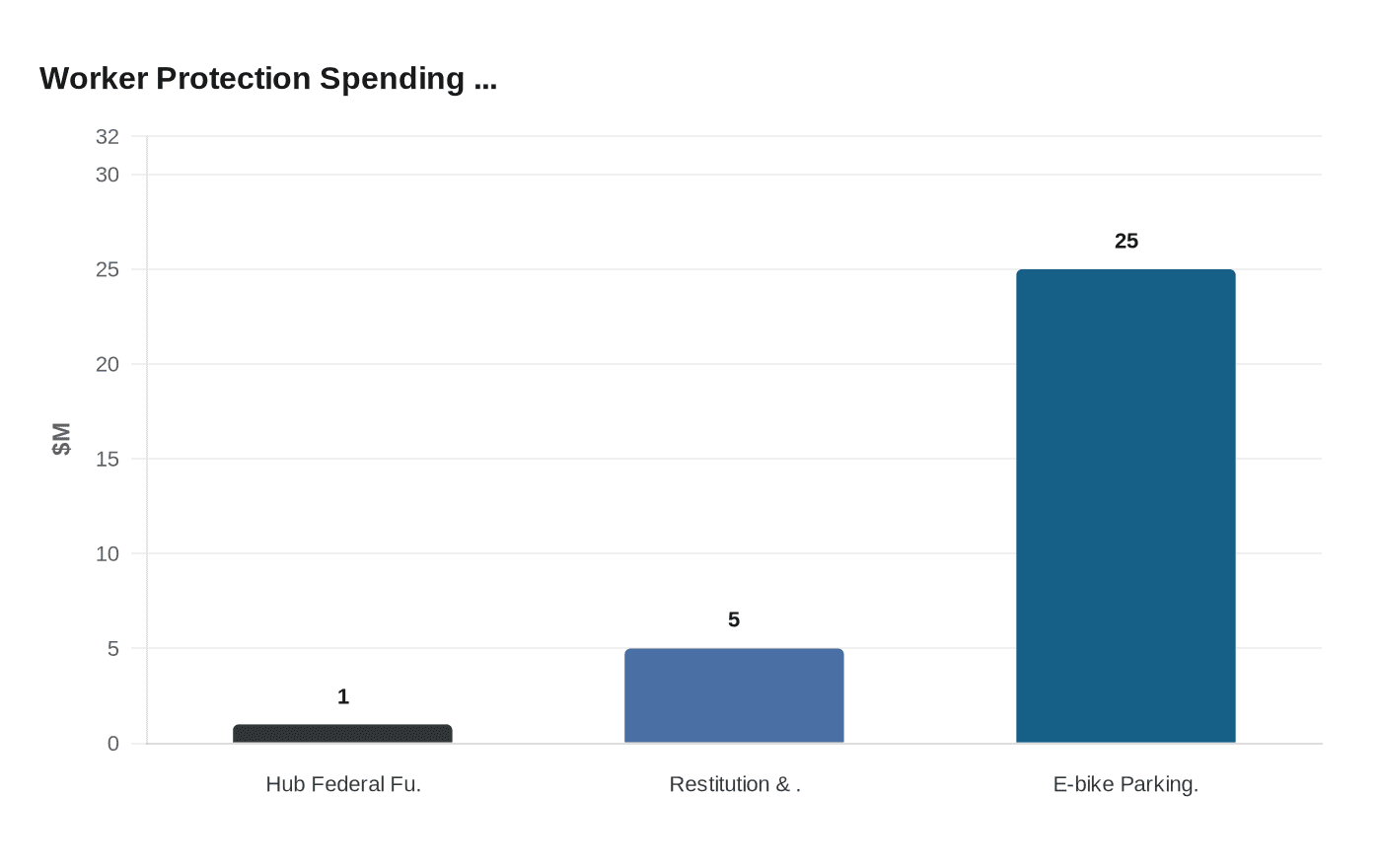
The project absorbed $1 million in federal funding secured through Schumer's office, enough to build two hubs at city-owned newsstand sites. It also absorbed years of bureaucratic friction. Manhattan Community Board 1 voted against the project over concerns about its contemporary design clashing with the historic surroundings near City Hall Park, though the Landmarks Preservation Commission ultimately approved it.
The need is unambiguous. The city has between 65,000 and 80,000 delivery workers, roughly 80 percent of whom rely on e-bikes or motorbikes and spend their entire shifts outdoors. Restaurants routinely deny them bathroom access, and there are nearly no dedicated spaces to charge devices, seek shelter from weather, or rest between orders. At a public planning presentation, Jared Sheer raised the persistent gap: "The lack of lavatories is another factor that you encounter in this job constantly. I don't want perfection to be the enemy of the good, but I just wonder why, we have this funding, we have this opportunity, that's something that couldn't be incorporated for the public." Notably, the hub will not include restrooms.
Ligia Guallpa, executive director of the Workers Justice Project, had argued for years that the infrastructure was long overdue. "The same way deliveristas are essential, these deliverista hubs are essential to respond to the street safety issue that our city is experiencing," she said following the community board rejection.
The hub fits within a broader first-100-days push on worker protections. On Day 30, three major food delivery companies agreed to pay more than $5 million in restitution and penalties for wage violations. Mamdani's preliminary budget allocated $25 million for secure e-bike parking across the five boroughs, and he ended criminal enforcement for minor traffic violations by cyclists and e-bike riders, routing those offenses through civil summonses instead. Still, advocates note that a single facility outside City Hall cannot serve tens of thousands of workers spread across five boroughs, and virtually all other city initiatives to build public e-bike charging infrastructure have remained stalled. Whether the hub opens before April 10 will register as more than a scheduling footnote; it will mark whether a project stuck for three years can actually be unstuck when a mayor decides it matters.
This article was produced by Prism’s automated news system from verified source data, official records, and press releases, then run through automated quality and moderation checks before publishing. The system is built and supervised by the people who set the standards it runs under. Read our full AI policy.
Did this article answer your question?