Marburg Deaths Rise as Ethiopia Confirms New Southern Cases
Ethiopian authorities reported an expanding Marburg virus outbreak in the country’s southern region, with multiple confirmed deaths and additional laboratory confirmed cases announced on December 3, 2025. The World Health Organization is supporting testing, supplying protective equipment and sending experts while hundreds of contacts are under follow up, raising concerns about spread and strain on local health services.
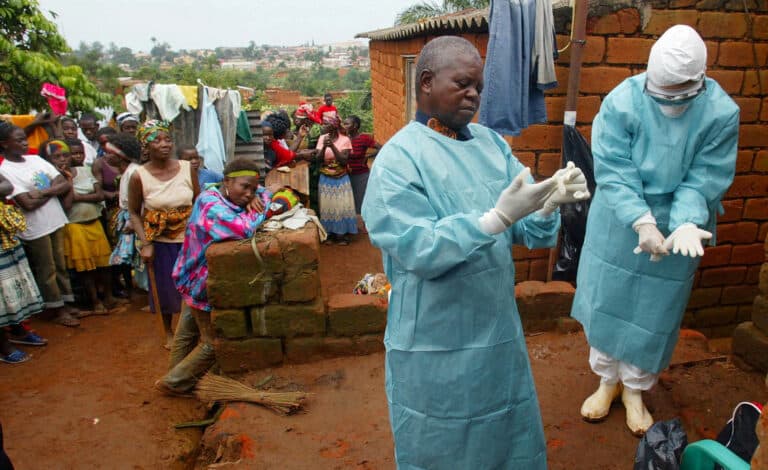
On December 3, 2025, Ethiopian health authorities and international partners confirmed that an outbreak of Marburg virus disease in the country’s southern region had expanded, with multiple deaths and additional laboratory confirmed cases recorded. Officials identified hundreds of people who had close contact with the sick as part of an intensive follow up effort to contain transmission.
Marburg virus causes a severe hemorrhagic fever similar to Ebola, and past outbreaks have shown case fatality rates as high as 88 percent. There is no licensed vaccine, and treatment is limited to supportive care, making rapid detection and strict infection control the cornerstones of any response. Public health teams in Ethiopia are prioritizing case finding, isolation of confirmed and suspected patients, contact tracing and strengthened infection prevention and control in health facilities.
The World Health Organization has been reported to be supporting national efforts by bolstering laboratory testing capacity, distributing personal protective equipment and deploying technical experts to assist local teams on the ground. International partners are working to accelerate diagnostic turnaround, train health workers in safe patient care, and improve surveillance in communities where cases have emerged.
Health officials described the situation as evolving and said that containment will depend on speed of detection and the ability to follow all identified contacts for the duration of the virus incubation period. Hundreds of contacts under follow up will need monitoring for fever and other symptoms while maintaining clear pathways for safe isolation and care. In resource constrained areas, gaps in staffing, protective equipment and laboratory capacity complicate this work and increase the risk that infections will go undetected.

Beyond immediate medical response, the outbreak presents wider social and economic challenges. Fear of contagion can deter people from seeking routine medical care, undermine trust in health services and disrupt local livelihoods. Stigma toward families of the sick may impede cooperation with contact tracing and quarantine measures. Authorities and aid agencies will need to combine medical interventions with clear community engagement, accurate risk communication and psychosocial support.
Regional risk has prompted attention to border screening and strengthening surveillance in neighboring areas. While Marburg is less transmissible than some respiratory viruses, its potential for rapid deterioration in patients and high fatality potential mean that undetected chains of transmission can have severe consequences.
Longer term, the outbreak underscores the need for sustained investment in laboratory networks, rapid response capacity and health workforce training across Africa. It also highlights ethical considerations about equitable distribution of scarce supplies and support for hard hit communities. For now, the focus in southern Ethiopia remains on identifying cases quickly, isolating the ill, tracing and monitoring contacts, and protecting health workers as the international response scales up.
This article was produced by Prism’s automated news system from verified source data, official records, and press releases, then run through automated quality and moderation checks before publishing. The system is built and supervised by the people who set the standards it runs under. Read our full AI policy.
Did this article answer your question?


