Markets surge as Trump cancels Iran strikes, touts peace deal
Trump’s surprise cancellation of planned Iran strikes sent stocks soaring and oil lower, but traders still had to price whether it was peace or only a pause.
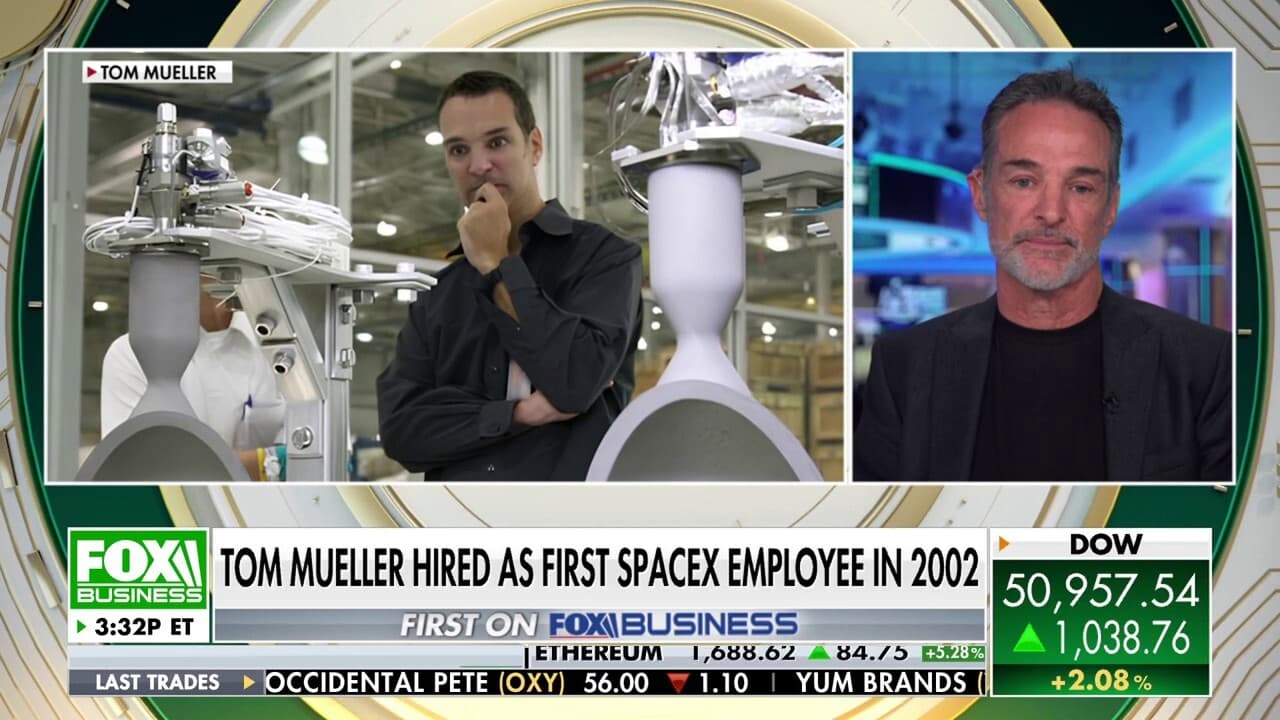
Wall Street snapped higher after President Donald Trump said he had canceled an upcoming round of U.S. military strikes against Iran and claimed the two sides had reached a settlement that could be signed within days. The Dow rose about 900 points, while Brent crude fell 2% and West Texas Intermediate traded near $86 a barrel, a fast verdict from investors that the immediate risk of escalation had eased.
The market’s first read was simple: if the Strait of Hormuz stays open, the shock to energy prices may be less severe. Trump said the waterway would reopen once a deal is signed, and that matters because the chokepoint typically handles around 20% of global oil traffic. For traders, that makes the difference between a short-lived geopolitical scare and a deeper supply shock that can ripple through inflation, transportation costs and bond yields.
But the relief rally came with a warning label. Trump had already said on June 9 that a deal could be reached in “two or three days,” and oil fell again on June 10 after he suggested a peace deal could be signed as soon as the weekend. By June 11, oil had dropped to its lowest level since April, and U.S. stocks had their best day in about two months after Trump called off his threat to bomb Iran. That sequence suggests markets were not reacting to a finished agreement so much as to each new hint that the conflict might not widen.

Even then, the diplomatic picture remained unsettled. CNBC reported that Iranian state media said Tehran had not approved any text for an initial memorandum of understanding, while Trump and Secretary of State Marco Rubio continued to say negotiations were still under way. That gap between White House optimism and Tehran’s public position is why traders were quick to celebrate but not likely to assume the risk had disappeared.
For now, the move in equities and crude shows how closely geopolitics is tied to the economic outlook. If a deal sticks, the largest beneficiaries may be consumers and companies that had been bracing for higher fuel costs. If it does not, the same market that rallied on June 11 could just as quickly reverse course.
This article was produced by Prism’s automated news system from verified source data, official records, and press releases, then run through automated quality and moderation checks before publishing. The system is built and supervised by the people who set the standards it runs under. Read our full AI policy.
Know something we missed? Have a correction or additional information?
Submit a Tip