SpaceX IPO is life-changing, says first employee Tom Mueller
Tom Mueller called SpaceX’s IPO “life-changing” for thousands of workers as the company priced the biggest-ever U.S. listing at $135 a share.
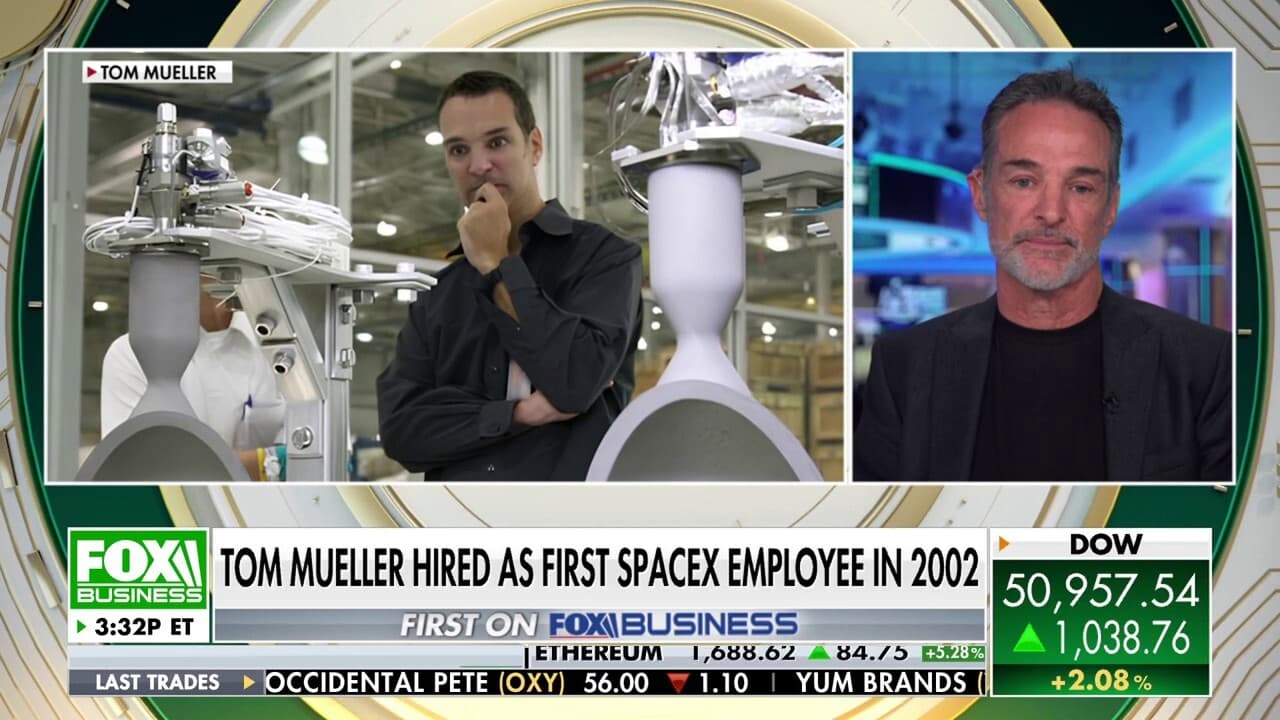
SpaceX’s market debut will turn years of engineering risk into paper wealth for the workers who lived through the company’s closest calls. Tom Mueller, the company’s first official employee and one of its founders with Elon Musk in 2002, said the IPO would be “life-changing” for thousands of people who helped build a rocket business that did not reach orbit until 2008.
The company priced the biggest-ever U.S. initial public offering at $135 per share on Thursday, with a Nasdaq debut targeted for June 12, 2026. That pricing implies a valuation of about $1.77 trillion, a scale that would make SpaceX one of the most valuable companies in the market and could move Musk closer to becoming the world’s first trillionaire. For long-time employees and early equity holders, the listing is the first real chance to cash in on paper gains accumulated over more than two decades.
Mueller’s comments carry unusual weight because he helped build the technical core of the company. He worked on the Merlin engines that powered Falcon 9, the rocket that became central to SpaceX’s push to make access to space cheaper. In his view, the company’s original bet has now been validated: Musk’s low-cost approach to space, Mueller said, “worked.” That is a striking verdict from someone who was there at the beginning, when SpaceX was still an improbable startup rather than a public-market giant.
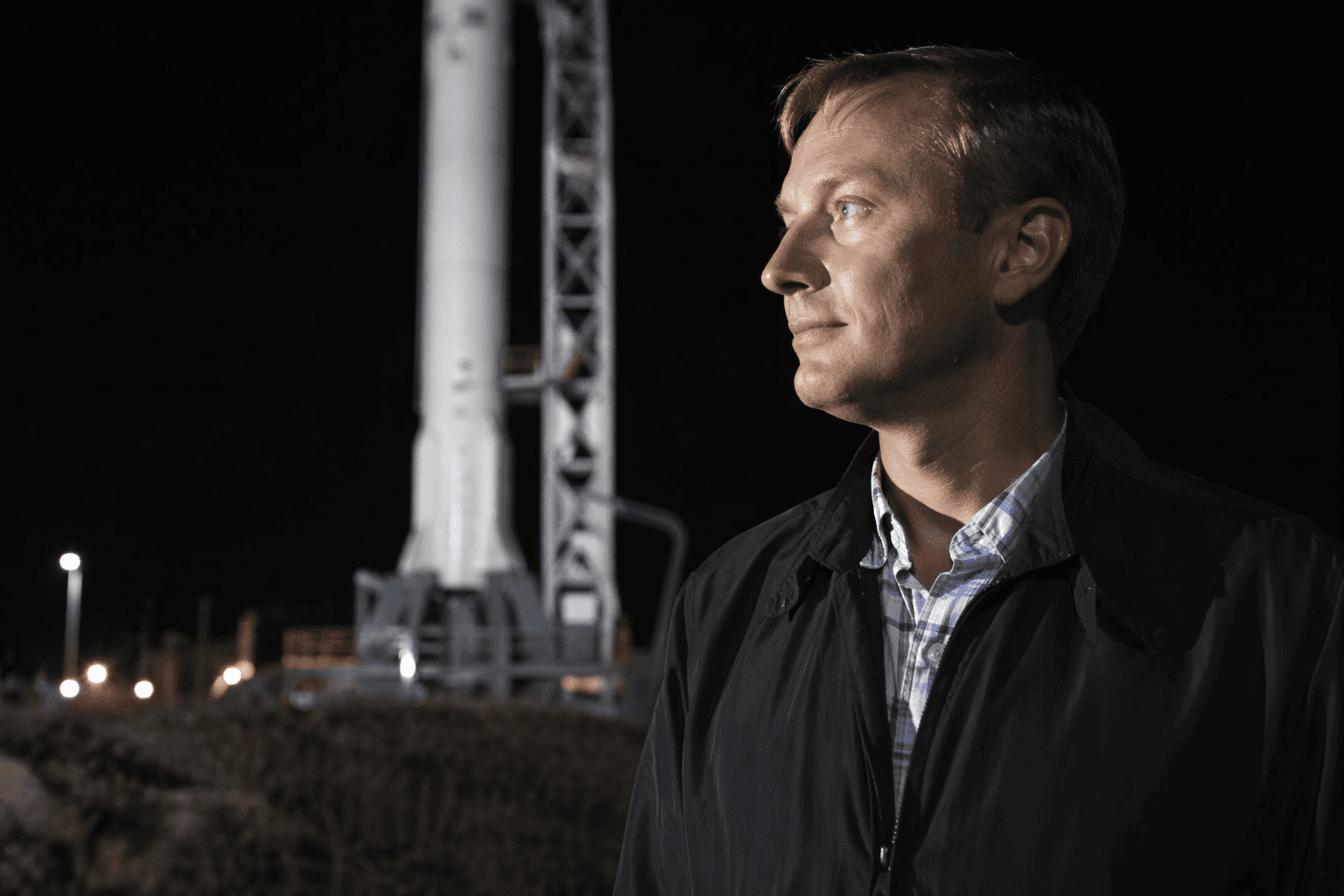
Today Mueller runs his own company, Impulse Space, where he is founder, chief executive and chief technology officer. Impulse recently raised $500 million at a $4.26 billion valuation, underscoring how much capital has flowed into the broader private-space sector that SpaceX helped legitimize. But even that fundraising round looks small beside the size of SpaceX’s listing, which marks a milestone not just for Musk’s company but for the wider commercial space industry.
The contrast between the startup’s early fragility and its current valuation is the story investors are being asked to buy on debut day. SpaceX began in 2002 with a handful of founders, early technical uncertainty and a long wait before its first successful launch to orbit. Now it is entering public markets at a level that rewards patience, risk and the kind of technical persistence that Mueller helped define from the start.
This article was produced by Prism’s automated news system from verified source data, official records, and press releases, then run through automated quality and moderation checks before publishing. The system is built and supervised by the people who set the standards it runs under. Read our full AI policy.
Know something we missed? Have a correction or additional information?
Submit a Tip