Mass Protests Shake Tirana After Deputy Premier Indicted for Corruption
Large demonstrations erupted in Albania’s capital after prosecutors indicted Deputy Prime Minister Belinda Balluku on corruption charges tied to major infrastructure contracts, a crisis that risks shaking investor confidence and destabilising governance. The unrest raises urgent questions about parliamentary immunity, the future of key projects and Albania’s anti corruption credibility as it seeks closer ties with the European Union.
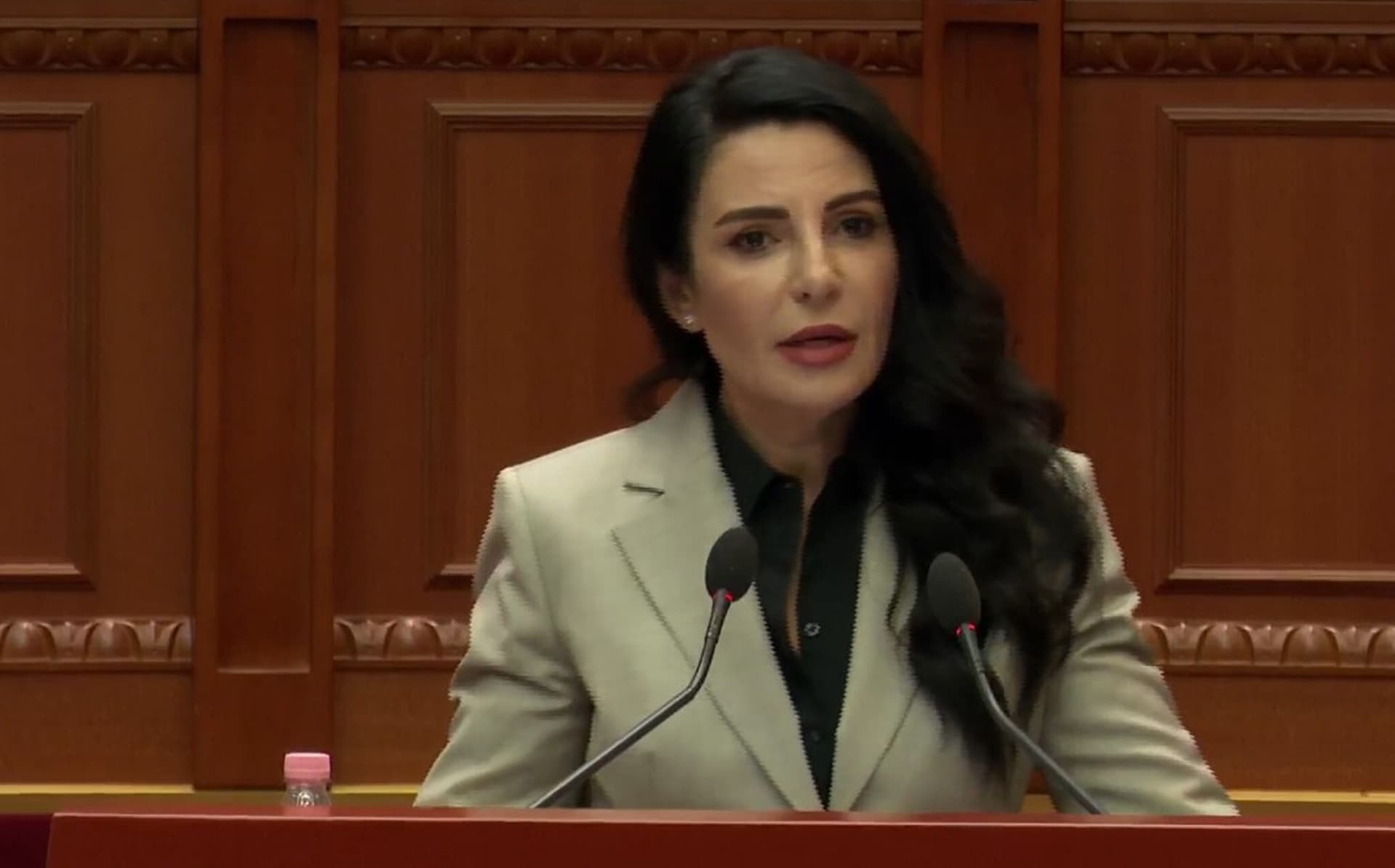
Thousands of protesters surged through central Tirana on December 22 after prosecutors filed criminal charges against Deputy Prime Minister Belinda Balluku over alleged favoritism in state infrastructure tenders. The disturbances escalated into violence when demonstrators threw petrol bombs at the government building that houses Prime Minister Edi Rama’s office, and at least one opposition supporter suffered burns, according to multiple media accounts and circulating video footage.
The case centers on allegations brought by SPAK, the Special Anti Corruption and Organized Crime Structure charging Balluku with improperly favouring a company in a tender for a 3.7 mile tunnel in southern Albania. Prosecutors later added a second count linked to alleged violations in a major road project around Tirana. The indictments follow a procedural development on November 21 when a court initially removed Balluku from office after the new filing.
SPAK has formally requested that parliament lift Balluku’s immunity so she can be arrested, but reporting differs on the timetable for a parliamentary vote. Some outlets indicated a vote could come as early as the end of the week, while others said the governing majority had not announced any schedule. Prime Minister Rama’s party holds a parliamentary majority, giving the executive a decisive role in determining whether the request proceeds.
Balluku, a close ally of Mr Rama and the minister responsible for infrastructure, has denied wrongdoing and described the accusations as mudslinging, insinuations, half truths and lies while saying she would fully cooperate with the judiciary. Opposition leaders seized on the indictment to intensify street demonstrations and parliamentary confrontations that culminated in clashes inside the assembly earlier in the week.
Riot police established a cordon to protect the prime minister’s office during the protest, observers and photographers reported. Officials present at the scene did not aggressively push the crowd back, according to eyewitness accounts, and images distributed by international agencies show damage and scorched areas outside the government building.

Beyond the immediate political drama, the affair poses tangible economic and policy risks. Infrastructure projects named in the indictment have been a cornerstone of government spending and a focus of public investment. Delays, contract reviews and potential legal disputes could raise costs and slow project delivery, creating budgetary pressure at a time when Albania is balancing fiscal commitments and ambitions for economic growth.
Financial markets typically react to elevated political risk with wider risk premia, and investors in sovereign and corporate Albanian debt will be watching developments closely. Anti corruption enforcement is also a central element in Albania’s bid for deeper integration with the European Union, making SPAK’s actions consequential for long term institutional credibility.
As parliament weighs whether to lift immunity, the unfolding confrontation tests Albania’s judicial independence and political stability. The immediate question is whether legal proceedings will proceed without further escalation, and whether the outcome will reset the country’s political calculus or deepen polarisation that could affect both governance and economic prospects for months to come.
This article was produced by Prism’s automated news system from verified source data, official records, and press releases, then run through automated quality and moderation checks before publishing. The system is built and supervised by the people who set the standards it runs under. Read our full AI policy.
Did this article answer your question?


