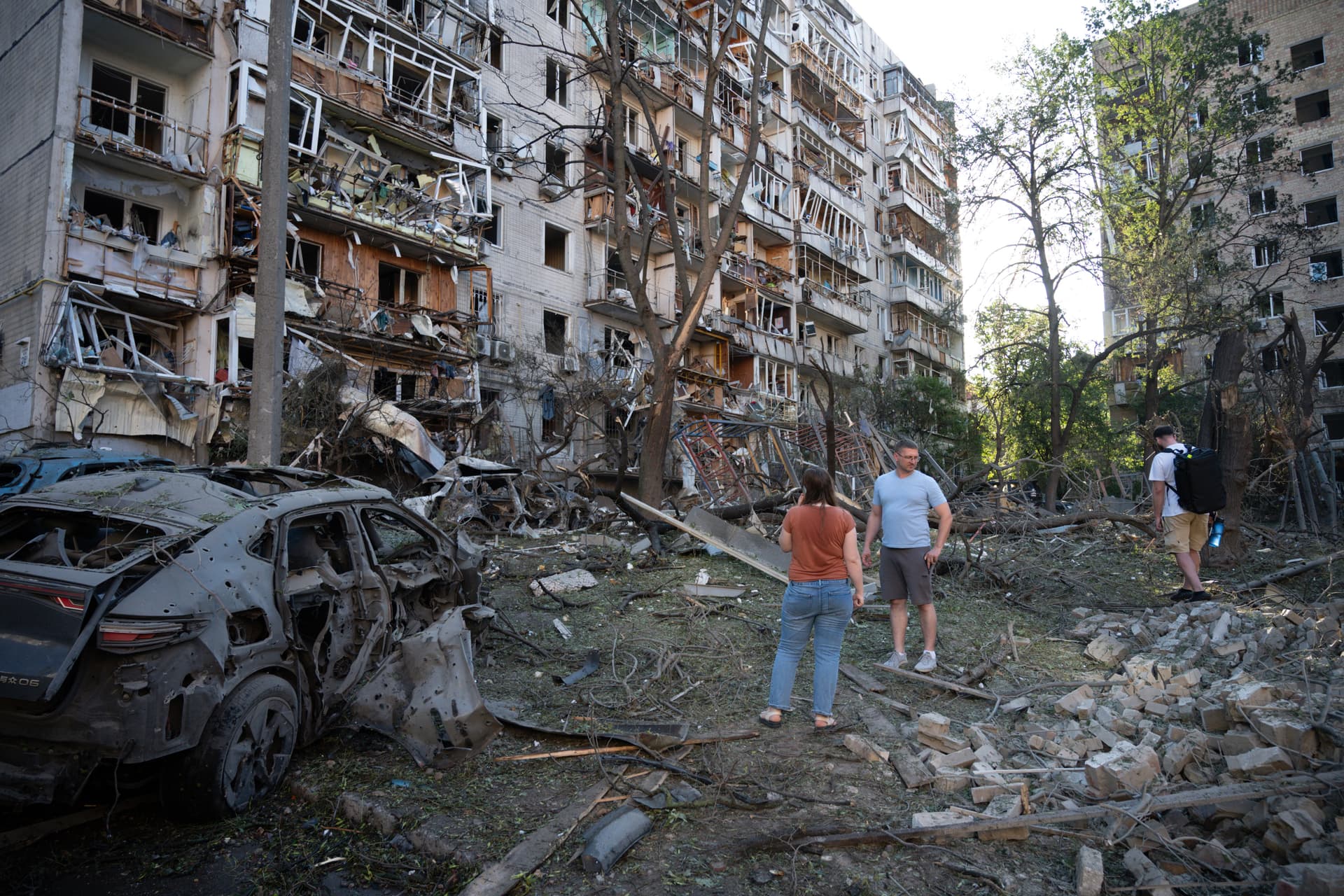
Massive overnight missile and drone barrage leaves Ukraine freezing and scarred
Russian forces launched a coordinated wave of drones and missiles across Ukraine overnight on Christmas Day, killing civilians, crippling sections of the power grid, and forcing widespread outages in subzero conditions. The scale of the attack and the heavy use of air defenses underscored urgent calls from Kyiv for more international air defense, arms funding, and energy equipment to protect civilians through the winter.

Russian forces unleashed a large, coordinated barrage of unmanned aerial vehicles and cruise missiles across Ukraine overnight on December 25, causing civilian deaths, injuries, and widespread damage to energy infrastructure just as freezing weather set in. Ukrainian authorities said impacts were recorded in dozens of locations and that multiple regions suffered power cuts that emergency crews scrambled to repair as security conditions allowed.
The Ukrainian Air Force reported that 635 drones and 38 missiles were launched into Ukrainian territory during the attack, and that 587 drones and 34 missiles were shot down or otherwise suppressed. Ukrainian air force tracking indicated roughly 131 attack drones were launched from Russian regions including Kursk, Orel and Primorsko Akhtarsk, as well as from occupied Crimea and parts of Donetsk. The assault combined Iranian made Shahed drones, domestically produced Geran variants, and both air and ground launched cruise missiles.
Officials said impacts were recorded across 21 locations, and that homes and power infrastructure were hit in at least 13 regions, prompting rolling outages in many western areas. Acting Energy Minister Artem Nekraso described the strikes as the ninth large scale Russian attack on Ukraine's energy system this year, and said restoration work would begin as soon as security conditions permitted. Emergency services warned that damage to lines and substations could prolong outages in some rural areas, exacerbating risks to heating and hospitals during winter.
Local authorities reported civilian casualties. The confirmed fatalities included at least three people, among them a four year old child in Zhytomyr region. Kyiv region officials reported a woman was killed and an apartment block struck injured five people. Hospitals treated dozens more for blast wounds and cold related conditions resulting from the outages.

Ukrainian air defenses played a central role in blunting the attack, employing fighter aircraft, surface to air missiles, electronic warfare and unmanned counter systems. Kyiv also carried out its own long range strikes in parallel. Russian defense officials said they shot down dozens of Ukrainian drones overnight and claimed additional interceptions in separate operations, while Moscow's mayor said eight drones bound for the capital were intercepted.
President Volodymyr Zelenskyy called the assault "massive," and said it showed Russia's intent to continue the invasion. He added that "the world is not putting enough pressure on Russia," and urged partners to supply enhanced air defense systems, funding for arms procurement, and energy equipment to blunt future strikes.
The attack marks a continuation of a pattern of strikes aimed at civilian infrastructure that analysts say has intensified during the winter months. The scale and persistence of these operations raise immediate humanitarian concerns, increase pressure on Kyiv to secure more advanced air defenses, and complicate European discussions about longer term military and energy support. For Ukraine, repeated damage to the power grid deepens winter hardship and raises reconstruction costs that will shape fiscal and aid priorities in the coming year. For international suppliers of air defense and energy equipment, the strikes highlight a growing market for systems to protect critical infrastructure under sustained strategic bombardment.
This article was produced by Prism’s automated news system from verified source data, official records, and press releases, then run through automated quality and moderation checks before publishing. The system is built and supervised by the people who set the standards it runs under. Read our full AI policy.
Did this article answer your question?