Massive winter blackouts hit Ukraine and Moldova after transmission failure
A technical collapse of key transmission lines caused cascading outages across Ukraine and forced an emergency disconnection in Moldova, disrupting transport and services during severe winter weather.
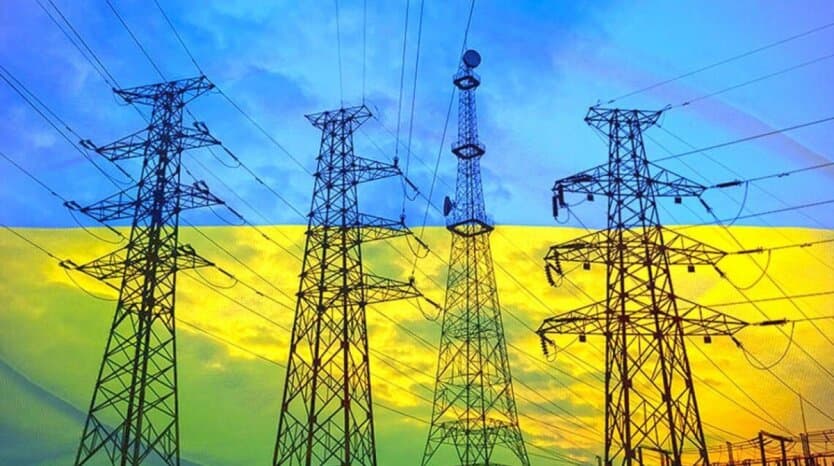
A collapse of high-voltage transmission lines at 10:42 a.m. local time (0842 GMT) triggered cascading disconnections across Ukraine’s grid and spilled into neighboring Moldova, leaving capitals and multiple regions without power amid severe winter cold. Ukrainian Energy Minister Denys Shmyhal described the event as a “technological disruption” that shut a 750 kV artery between western and central Ukraine and a 400 kV interconnector linking Romania and Moldova; the malfunction set off a “cascade of disconnections” and activated “automatic protections” at substations.
The outage cut electricity to Kyiv and several regions named by authorities, including Zhytomyr, Kharkiv, Odesa and Dnipropetrovsk, and halted metro operations in the Ukrainian capital. Kyiv mayor Vitali Klitschko said the metro has stopped operations “due to low voltage in the network” and that underground stations can currently operate as shelters. The city also reported a halt in water supply and temporary closure of station escalators as crews worked to stabilize the system.
Moldova’s system was forced into an emergency disconnection because it shares an electricity generation bloc with Ukraine and relies on a 400 kV import corridor identified as the Isaccea–Vulcanesti–MGRES transmission line. Chisinau mayor Ion Ceban said power outages “have occurred in most of the Moldovan capital,” with trolleybuses and traffic lights out and communications and customs checkpoints affected. Moldovan Prime Minister Alexandru Munteanu urged citizens to “remain in solidarity” and to “trust that the institutions are working to quickly resolve the problem.”

Operators moved quickly to limit further damage. Ukrenergo and private distribution firms implemented controlled emergency outages in affected regions and prioritized critical facilities. DTEK, operating in Odesa and Dnipropetrovsk, said specialists had restored electricity to key sites after implementing outages on the grid operator’s instructions. Authorities described a phased return of power in capitals to avoid overloading the network; Moldova reported reconnection of all 110 kV lines in its south and phased reconnections elsewhere. Repair teams worked through the day and Moldova’s supply was reported fully restored later that same day.
Officials cautioned that full system recovery faces technical constraints. The Ukrainian Ministry of Energy said “According to experts' forecasts, power supply will be restored within the next two to three hours,” and later described the national grid as “gradually recovering,” noting that ramping thermal and nuclear units to nominal capacity takes time. No forensic conclusion has been released about the initiating fault; Ukrainian authorities dismissed speculation of a cyberattack and attributed emergency shutdowns to a technical malfunction compounded by extreme winter weather and preexisting strain on the system after earlier attacks on energy infrastructure.

The outage underlines a broader energy-security challenge in Eastern Europe: tightly coupled cross-border grids can transmit shocks rapidly during peak winter demand, magnifying social and economic costs. Short-term market effects typically include upward pressure on wholesale power prices and higher operating costs for industry and logistics; for households, repeated outages increase welfare losses and the need for emergency shelters and backup generation. Policymakers face a twofold test: accelerating repairs and restoration while advancing investments in grid resilience, diversified import routes and emergency reserves to reduce the risk of future cascades during harsh weather and geopolitical stress.
This article was produced by Prism’s automated news system from verified source data, official records, and press releases, then run through automated quality and moderation checks before publishing. The system is built and supervised by the people who set the standards it runs under. Read our full AI policy.
Did this article answer your question?


