Master Effortless Style Using Only What’s Already in Your Closet
Refresh your look without spending a cent—edit, tailor, and master a handful of micro-adjustments to turn the clothes you already love into outfits that feel intentional.

There are moments when an entire aesthetic returns to circulation not because of new pieces, but because of how a handful of small gestures are made to look decisive. The Real Chic Life noticed this after viewers binged the Love Story series: “Last week, like many of you, I binge-watched the first season of Love Story, drawn in by its fictionalized portrayal of John F. Kennedy Jr. and Caroline Bessette-Kennedy.” It’s that Caroline nuance—sleeves rolled just so, a blouse half-tucked—that feels less like costume and more like instruction. Those micro-adjustments, the blog insists, “can work on any body shape or height,” and that’s the through-line for mastering effortless style from what’s already in your closet.
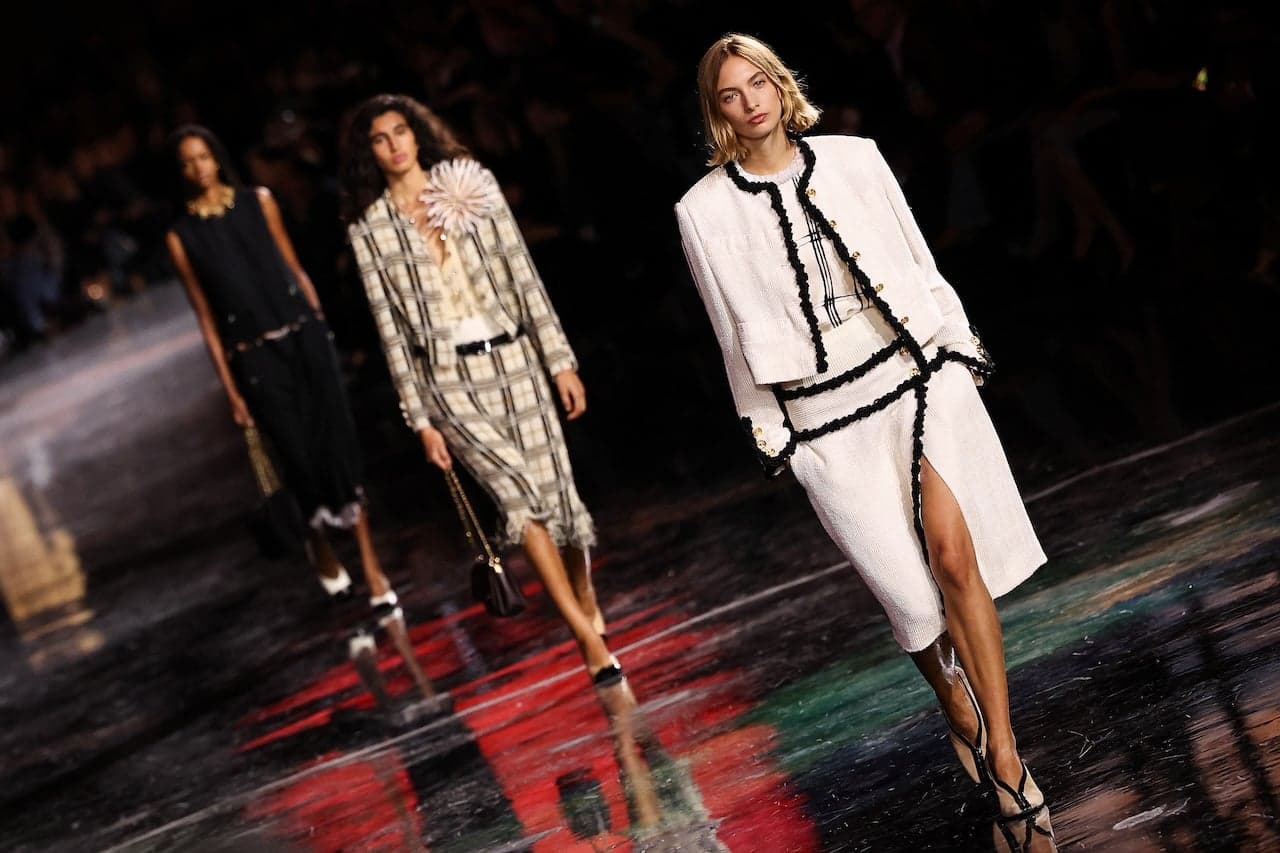
Why small moves matter Effortless style isn’t about a wardrobe full of statement purchases; it’s about proportion, texture, and confidence. Shirley Jones Luke’s practical primer reminds us to “start with the basics” — crisp white shirts, a well-fitting pair of jeans, a structured blazer, simple dresses in neutrals — and then make deliberate choices around silhouette: “Clean lines and simple silhouettes create a polished appearance.” Layering and tiny edits shift those basics from anonymous to intentional without a single new hanger purchase.
Begin with a fast closet audit If your closet reads messy instead of useful, start with an edit that’s tactical rather than traumatic. Shiragill’s weekly dose of discipline is a perfect place to begin: “Try it: Set aside 30 minutes this weekend to remove at least 5 items from your wardrobe that you haven't worn in the past year or that don't make you feel confident when you wear them. Notice how much clearer your style vision becomes when you're surrounded only by pieces you truly love.” That clarity is literal: fewer items, stronger matches, and a cleaner mental map of what you own.
A simple six-step audit to try now 1. Pull everything into one place and group by category (tops, bottoms, outerwear). 2. Remove five items you haven’t worn in the last year (follow Shiragill’s 30-minute rule). 3. Flag pieces that need tailoring or minor alterations. 4. Make three outfit notes: day, lunch, date night. 5. Photograph the three best outfits to save as repeatable formulas. 6. Box up swap candidates to bring to a friend or next-weekend clothing exchange. This sequence borrows the pragmatic logic of a stylist’s edit: you’re not deciding for eternity—just clearing space to see what’s left.
Learn three micro-adjustments that change everything There are a handful of styling tweaks that translate across fabrics and decades. The Real Chic Life’s crisp verdict: “Nothing transforms a look faster than exposing the wrist.” Rolling sleeves on a blazer, button-down, or sweater instantly alters mood—a crisp white shirt becomes relaxed, a structured blazer becomes modern, a chunky knit feels intentional instead of bulky. The site also recommends tactical tucking: “The ‘French tuck’ isn’t about trends. It’s about proportion.” It cautions that “a full tuck can feel corporate” and “no tuck can feel shapeless,” so practice the slight front tuck to recalibrate waistlines and break up boxy shapes.
Beyond tuck and roll: layering, shoes, and accessories Redditors and style curators agree that layering in unexpected ways revitalizes staples: “Do new things with it, like putting a top with no sleeves over a shirt/blouse/dress like a vest, or hoodies/blouses/shirts over dresses.” Swap sneakers for heeled booties or vice versa; a different shoe silhouette can change the tone of an outfit entirely—“a simple pair of shoes and how I style my hair for the day goes a long way to 'add a bit of spice' as the kids say.” Accessories do the heavy lifting: a chic bag, a denim belt tied in a bow, or a textured scarf injects color and scale, turning a white tee + jeans into a considered look.
Tailoring and one-item remixes Shiragill recommends identifying a single, loved-but-unused item and reimagining it: “Try it: Identify one item in your closet that you love but never wear and brainstorm how it could be altered to better suit your current style. Start with something simple like hemming pants or cropping a t-shirt before moving on to more complex transformations. If you're not comfortable with DIY, find a local tailor—the small investment will still be significantly less than buying new clothes.” Hemming trousers, taking in a waist, or shortening sleeves is low-cost alchemy; a small stitch can rescue a beloved garment and make it feel contemporary.

A stylist’s audit in action For readers who feel overwhelmed, a pro edit can be instructive rather than indulgent. In a Business Insider first-person account, the author hired a stylist—Chellie Carlson, “based in my own Los Angeles neighborhood”—who “started by evaluating each piece of clothing I owned.” The result was counterintuitive: “With a much emptier closet, my 'new' capsule wardrobe took shape.” The stylist’s method also influenced posture and coverage: “This approach also provided more body coverage, giving me the confidence to reach for the slinkier styles I already owned but didn't often muster the confidence to wear.” If hiring a stylist isn’t in the budget, mirror the process—evaluate, donate, alter, and photograph outcomes.
Try a bite-sized capsule: the 3-3-3 Challenge If the idea of a full capsule is intimidating, Shiragill’s 3-3-3 Challenge is a tidy experiment: “Choose Three Tops, Three Bottoms, and Three Pairs of Shoes: With just these nine carefully selected pieces, challenge yourself to create as many outfit combinations as possible.” It’s a week-long laboratory: you’ll learn which combinations feel most like you, which pieces are redundant, and where a small tailoring investment would pay dividends.
Swap, borrow, repeat One of the most joyful low-cost strategies is social: “I've been swapping clothes with my college bestie Jessica for years,” Shiragill writes. Host a mini swap—“Try it: Text three friends right now and propose a mini clothing swap for next weekend. Ask each person to bring just one item they're ready to part with and see what treasures you might discover.” Swapping not only extends garments’ lifespans; it challenges you to wear outside your habitual silhouette.
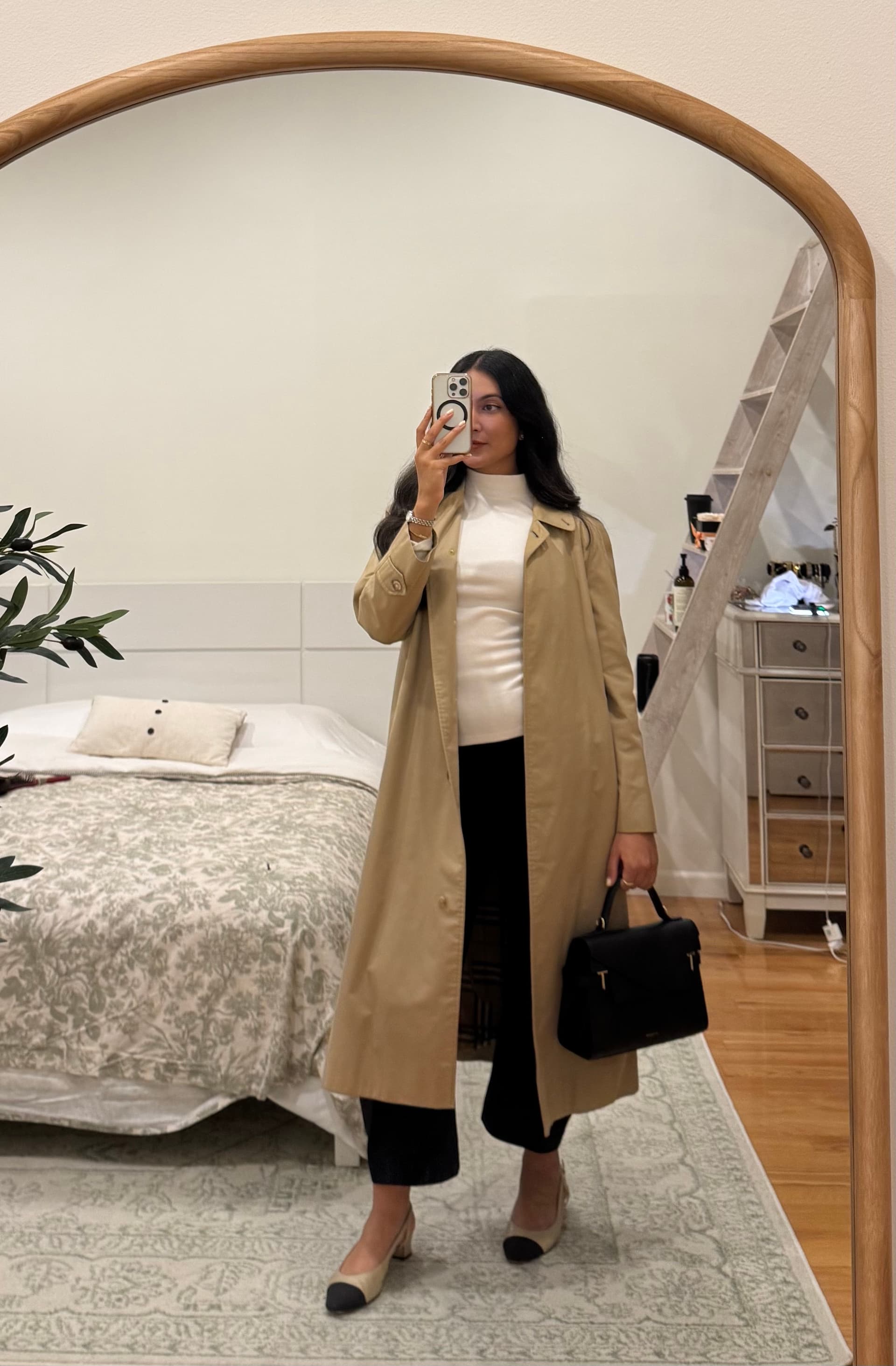
Compose looks worth photographing Finally, document what works. Build a visual library—screenshots from Pinterest, a photo of a sheer top over a black camisole with jeans and a denim-belt bow, or the snake-skin dress paired with a white blazer and black boots from the Business Insider composite. These images become your cheat sheet on busy mornings: a memory aid for the sleeve-length that flatters you, the tuck that breathes life into a blouse, or the shoe that upgrades denim.
Conclusion Effortless dressing is less a magic trick than a habit: edit ruthlessly, alter selectively, and experiment with small styling moves that recalibrate proportion and texture. From The Real Chic Life’s advocacy for the perfect sleeve roll and French tuck to Shiragill’s 30-minute declutter and 3-3-3 Challenge, the message across these conversations is consistent—once you learn to look at what you own with a stylist’s eye, you need far fewer new purchases to feel newly yourself. Make the adjustments, photograph the results, and let the wardrobe you already have do the heavy lifting.
Know something we missed? Have a correction or additional information?
Submit a Tip