Match gear to tuna species - a practical tackle guide for anglers
A practical tackle guide explains how to match reels, rods, line and terminal gear to tuna species and presentations, reducing failures and fatigue on the bite.
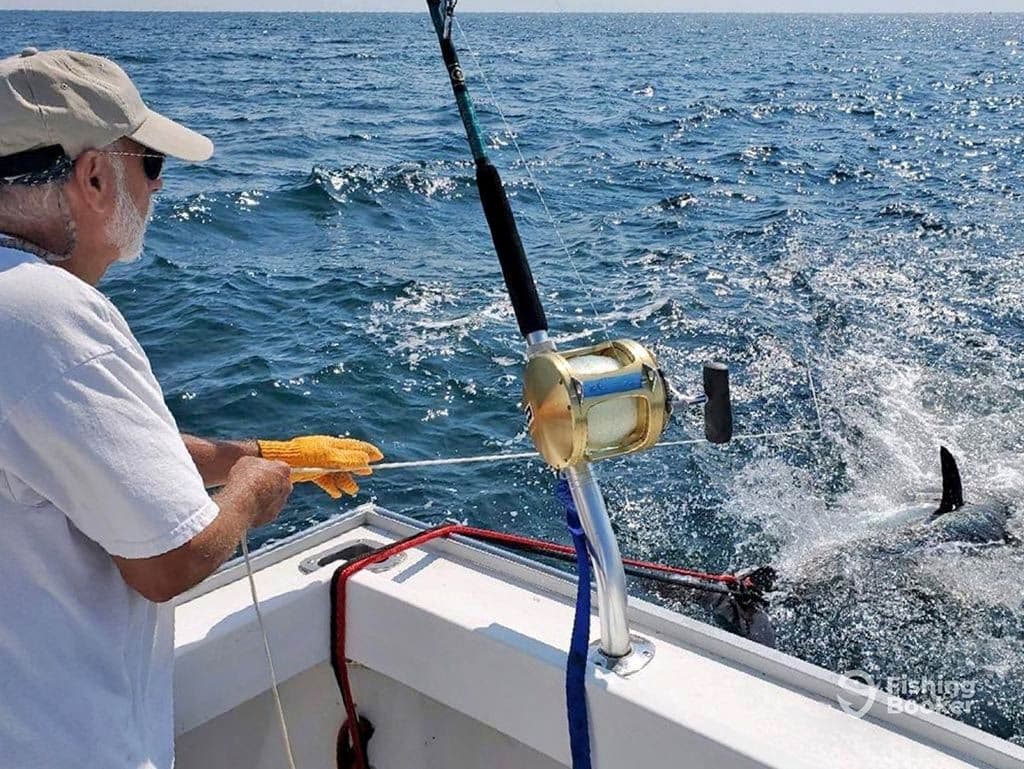
Matching gear to the tuna species and presentation is critical for safety, landing rate and boat performance. Tackle that’s right-sized for the fish you expect keeps fights under control, reduces leader and knot failure, and saves anglers from unnecessary fatigue on long drags.
For small to medium school-size tuna in the 10-50 lb range, lean toward medium-heavy conventional reels or large spinning reels. Spinning reels in the 6000-14000-size class paired with 30-65 lb braid and a 40-80 lb fluorocarbon leader work well for casting and light trolling. Those setups give enough backbone to drive hooks while leaving some flex to prevent sudden leader shock when a tuna hits hard.
When targeting larger yellowfin in the 50-150+ lb window, step up to heavy conventional reels or big spinning reels with 50-130 lb braid capacity. Rods rated in the 50-80 lb class with fast action provide necessary backbone for hooksets and fight control, while still offering enough give to protect terminal knots and leaders. Gear ratio and angler strength matter: lighter gear tires you faster and invites more put-back fights; heavier gear reduces exhaustion and increases your chances of landing heavyweight tuna.
Giant bluefin, 200+ lb and up, require textbook big-game tackle. Heavy conventional overhead reels with high-capacity spools, 130-200+ lb braid (or heavy conventional line), and stout stand-up rods or big-game conventional rods are standard. Prioritize line capacity and drags rated above expected peak pressure. Long tuna fights generate heat; reels and drag systems that disperse heat and proper drag curve tuning lower the risk of drag meltdown and line failure.
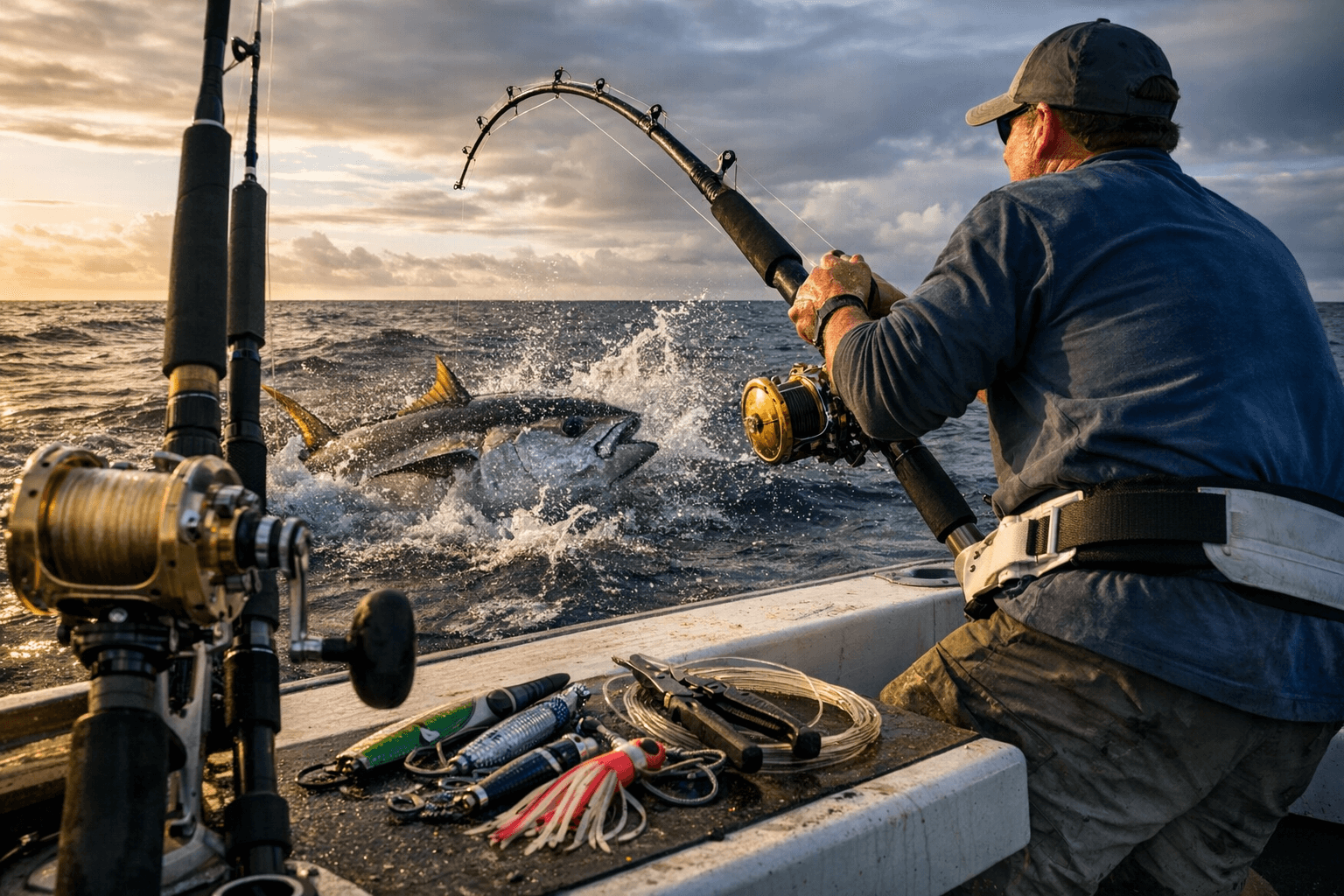
Leaders and terminal gear make or break a hookup. Use heavy mono or fluorocarbon leaders for abrasion resistance, deploy wire leaders for toothy species and keep shock tippets short to reduce visibility. Match swivel snaps and clips rated above your line strength to avoid weak links. Circle hooks are the go-to for live- and whole-bait presentations where allowed, and carry dehookers to speed safe release. Gaffs should be sized correctly and used only when retention rules permit. Reliable rod holders and secure deck rigging prevent lost rods and dangerous run-offs.
Practical matchups between rod action, reel gearing and angler capability improve safety and landing percentages. Test drag settings in calmer conditions, monitor heat on prolonged fights, and swap leaders after abrasion or big runs. Getting your gear dialed to the tuna you target turns long, brutal fights into manageable game—so choose capacity, durability and comfort over sheer novelty. What comes next is simple: inspect your kit, make incremental upgrades where needed, and plan presentations with the species and fishing style you expect to encounter.
Know something we missed? Have a correction or additional information?
Submit a Tip