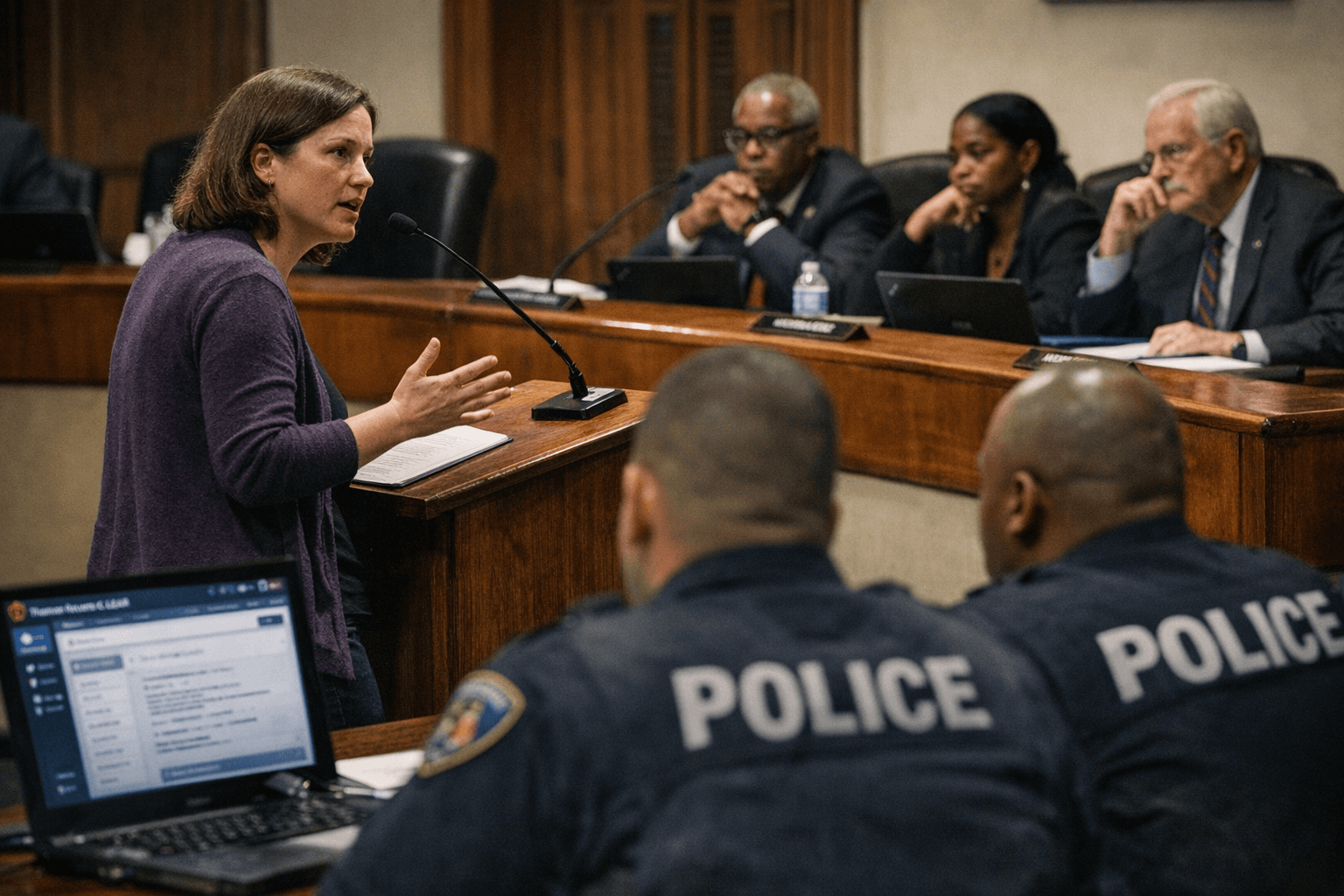
Mayor Scott announces tax relief, tax-sale reforms to ease homeowners' burden
Mayor Brandon M. Scott unveils a two-part plan to lower homeowners' effective property tax through credit changes and reform tax-sale rules, easing pressure on Baltimore homeowners.

Mayor Brandon M. Scott announces at City Hall a two-pronged effort to reduce the effective property tax burden for residential homeowners and to change how Baltimore handles tax sales. The administration says the measures will bring the effective property tax rate for residential homeowners below $2.00 this year by modernizing tax credits while also addressing legal concerns tied to the city's tax auction process.
“Our city's Renaissance is here, which means more people than ever want to buy a home and put down roots in Baltimore,” Mayor Scott said. “We know that our property tax rate can be a challenge for homeowners, which is why - in addition to our broader housing affordability investments - we're announcing this strategy to bring the effective property tax rate for residential homeowners below $2.00 this year. Today's announcement is yet another way we're working to make sure our residents can continue being the first beneficiaries of our city's growth.”
The tax-relief component is described as a three-part strategy that will “responsibly deliver property tax relief to Baltimore homeowners without impacting the delivery of core city services by modernizing outdated tax credits to better serve our residential homeowners, by lowering the overall tax burden on the vast majority of individuals who receive these tax credits.” The administration specified one concrete legislative step: introducing legislation at the Feb. 9 City Council meeting to adjust the Homestead Tax Credit, with the change intended for the FY 2027 tax season. Local reporting estimates the proposed credit increases could save homeowners “several hundred dollars over three years.”
City officials and local outlets stress an important distinction between an effective after-credit tax rate and the city's statutory levy. The current nominal city tax rate stands at 2.248% of assessed value. The mayor’s longer-term plan aims to lower the actual rate to 2.13% by 2030, a multi-year goal that Banner notes would likely require political continuity to complete.

Alongside tax-credit changes, the city says it is altering the tax sale process “following an agreement reached with Maryland Legal Aid to stay ongoing legal challenges, the City will make changes to the City's tax sale process, including raising the minimum bid to assessed value and establishing payment plans for residents.” The administration did not provide operational specifics for payment plans or the timing of minimum-bid changes; those details and any fiscal impact estimates were not included in the announcement and will require follow-up.
The announcement sits within a broader housing agenda. Reframe Baltimore, Mayor Scott’s 15-year, $3 billion plan to reduce vacant housing, and the City-wide Affordable Housing TIF provide the fiscal backdrop: the first series of TIF bonds closed in late December, with the city offering $28.8 million and receiving investor bids totaling $389 million, a 13.4 times oversubscription that city officials called strong demand.
For homeowners, the immediate takeaway is potential relief on paper this year through tax-credit adjustments and new protections for people facing tax sale. The next steps to watch are the City Council vote on Homestead Tax Credit amendments, the publication of fiscal notes showing budget impacts, and the detailed terms of the agreement with Maryland Legal Aid. For more information, contact the Mayor’s Office at 250 City Hall, Baltimore, Maryland 21202, or (410) 396-3835.
Sources:
Know something we missed? Have a correction or additional information?
Submit a Tip