McMorrow ends Michigan Senate bid, leaving two-person Democratic race
McMorrow dropped out with four weeks left, reshaping Michigan’s Senate primary into a Stevens-El-Sayed duel and sharpening the fight for the state’s Democratic future.
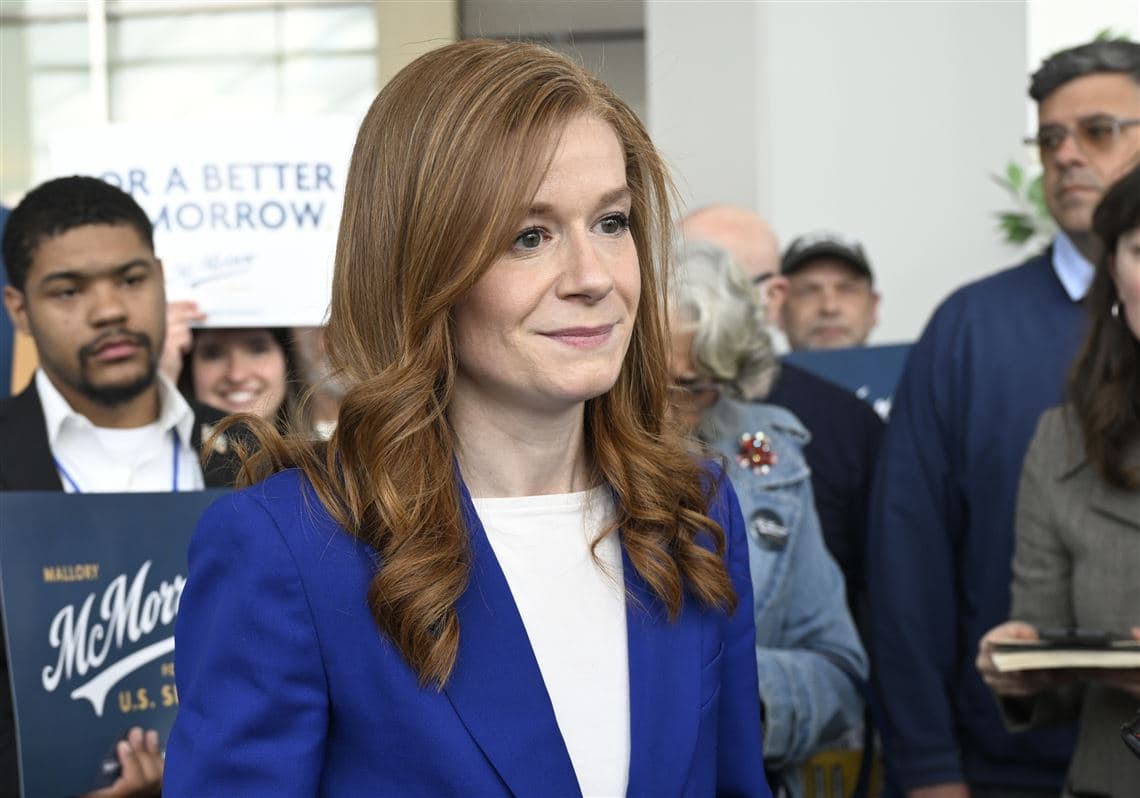
Mallory McMorrow suspended her U.S. Senate campaign Sunday, turning Michigan’s Democratic primary into a two-person contest between U.S. Rep. Haley Stevens and former Wayne County health official Abdul El-Sayed just one month before the Aug. 4 vote. The move also tightened the national stakes in an open-seat race that will decide who faces former Rep. Mike Rogers, the unopposed Republican nominee, in November.
McMorrow’s exit immediately changed the power map inside Michigan Democrats. She had tried to place herself between Stevens and El-Sayed as a younger, rising statewide figure, but recent polling had pushed her into third place and made her look increasingly like a long shot for the nomination. With her departure, donors, activists and elected officials now have to choose whether to consolidate behind Stevens, who already has the party establishment’s strongest institutional backing, or help El-Sayed build a progressive coalition in the final stretch.

Stevens entered the new phase with support from Senate Minority Leader Chuck Schumer and former Sen. Debbie Stabenow. El-Sayed, meanwhile, has endorsements from Sen. Bernie Sanders and Rep. Alexandria Ocasio-Cortez. Michigan Attorney General Dana Nessel moved quickly to back Stevens after McMorrow bowed out, a sign that major Democratic figures see the remaining race as a choice between two distinct lanes rather than a broad three-way contest.
The money picture also tilts toward Stevens. McMorrow’s campaign said the race had already seen roughly $32 million in outside spending across five groups supporting Stevens, including about $10 million in paid media before McMorrow had even run her first ad. That kind of early saturation leaves little room for a late surge from a candidate who was already fading in the polls.
McMorrow said she was ending her campaign with gratitude for volunteers, donors, staff and family, and that she would stay politically active and support the eventual nominee. She did not endorse either remaining candidate. In her farewell video, she pointed to her own record as evidence of what Michigan Democrats have already built: she said she flipped her district in her first election, then helped Democrats flip the Michigan Senate for the first time in nearly 40 years. She also cited the repeal of Michigan’s abortion ban, higher wages, universal school breakfast and lunch, and expanded civil and voting rights.
Her departure matters beyond one primary because McMorrow had become one of the most visible Democratic figures in the state, and Michigan remains one of the battlegrounds most likely to shape control of the Senate. The choice now is narrower, the alliances are clearer, and the party’s next chapter in a critical state is moving quickly toward a two-way fight.
This article was produced by Prism’s automated news system from verified source data, official records, and press releases, then run through automated quality and moderation checks before publishing. The system is built and supervised by the people who set the standards it runs under. Read our full AI policy.
Did this article answer your question?