Measles Surge in South Carolina Hits 310 Cases, Spreads Interstate
The South Carolina Department of Public Health reported a sudden jump to 310 confirmed measles cases on Jan. 9, a 99-case increase in two days, concentrated in Spartanburg County and affecting mainly school-age children. The outbreak underscores gaps in vaccination coverage and strains local public health resources as officials move to expand MMR access and trace wide-ranging public exposures.
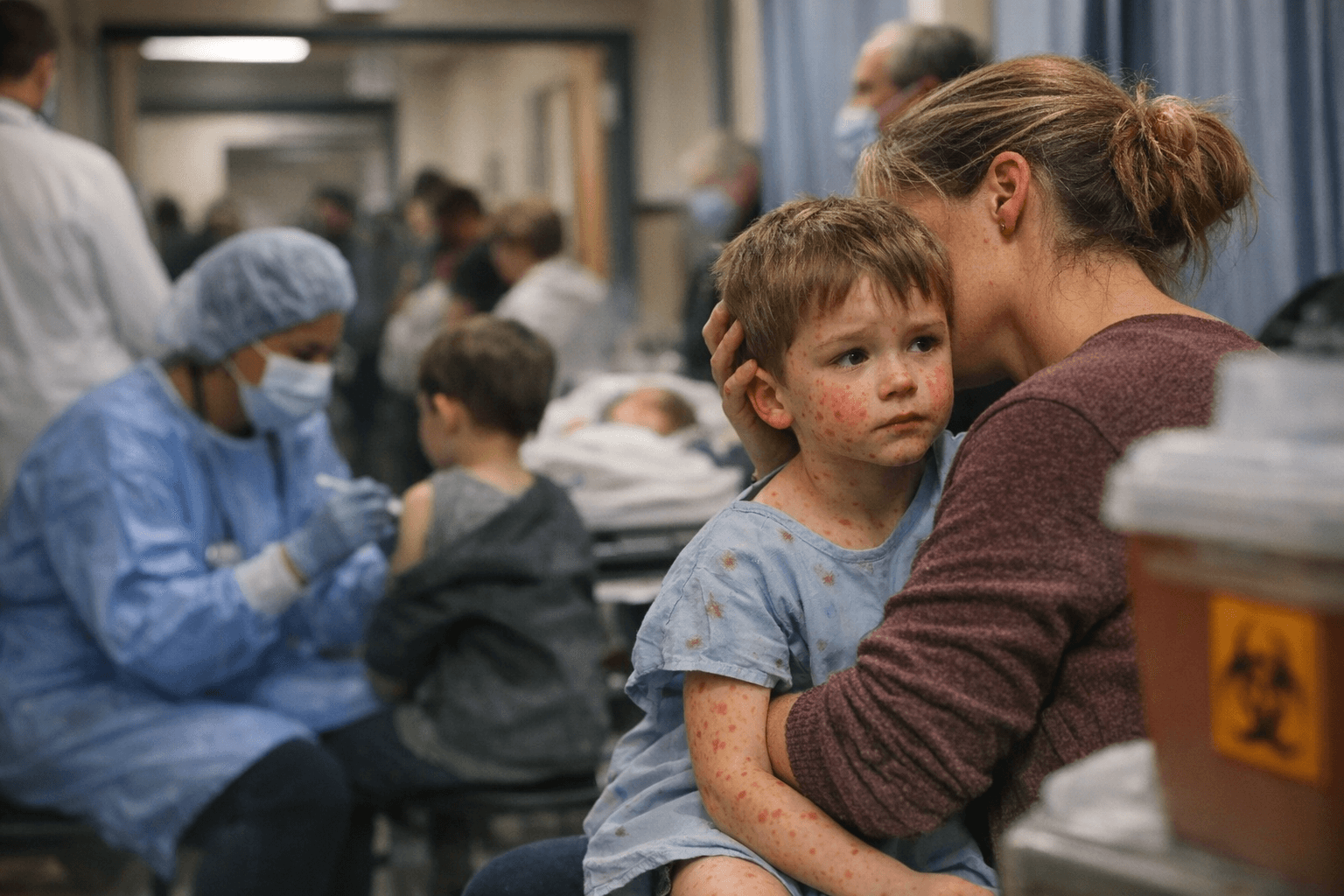
On Jan. 9 the South Carolina Department of Public Health said the state’s months-long measles outbreak had reached 310 confirmed cases, up from 211 on Jan. 6. The outbreak, which began in October, remains concentrated in the Upstate region and is centered in Spartanburg County, where most cases have been identified.
The age distribution reported by the department highlights the community toll: 69 cases were children under 5, 206 were ages 5 to 17, and 29 were adults. Vaccination status among the cases showed 256 unvaccinated, two partially vaccinated, two vaccinated, and 50 with unknown status. These figures reinforce the role of low immunization rates in sustaining transmission and the protective value of the two-dose MMR schedule.
Public health officials said the outbreak has not been confined to South Carolina. North Carolina authorities notified state health officials of three children in Buncombe County who tested positive after visiting Spartanburg. Washington state’s Snohomish County Health Department reported three additional diagnoses tied to travel from the area over the holidays, including one adult who had received at least one dose of MMR and two children who were unvaccinated. Health departments have also linked cases to families who traveled from the Spartanburg area to Ohio.
Tracing has been complicated by numerous public exposure sites identified across jurisdictions, and the state warned that identified quarantine numbers undercount the true number of exposed people. "The number of people in quarantine does not reflect the number actually exposed," said Dr. Linda Bell, state epidemiologist and incident commander for the outbreak, noting that hundreds more people may have been exposed but are unaware they should be quarantined if they are not immune. As of Jan. 9 the department reported 200 people in quarantine and nine in isolation, with the latest quarantine end date listed as Jan. 29.
The South Carolina Department of Public Health issued a statewide health alert on Jan. 7, urging health care providers to heighten surveillance for measles and to implement protective measures, including mask use and rapid isolation of suspected cases to protect patients and staff. Officials said they would increase access to MMR vaccination at health department locations and deploy mobile health units if demand requires. The department’s mobile unit can be requested through a form on its website.
Public health leaders framed the outbreak as part of a larger national uptick in measles activity, noting previous years’ case counts reached levels not seen since the early 1990s. The current surge exposes persistent inequities in vaccine coverage, especially among children and families who face barriers to access or who reside in communities with low uptake. Local schools and clinics are confronting the dual challenge of preventing classroom spread while ensuring that quarantined families receive support to comply with public health orders.
For media inquiries and information on vaccination access, the South Carolina Department of Public Health listed contacts: media@dph.sc.gov; Ron Aiken, Media Relations Director, (803) 200-8809, aikenrd@dph.sc.gov; and Casey White, Public Information Officer, (803) 542-0649, whiteca@dph.sc.gov.
This article was produced by Prism’s automated news system from verified source data, official records, and press releases, then run through automated quality and moderation checks before publishing. The system is built and supervised by the people who set the standards it runs under. Read our full AI policy.
Did this article answer your question?