Medicare Advantage plans deny rehab care at unusually high rates, report finds
Medicare Advantage plans denied skilled nursing requests 12% of the time, then overturned 95% of appeals, suggesting many seniors were blocked from rehab before getting care.

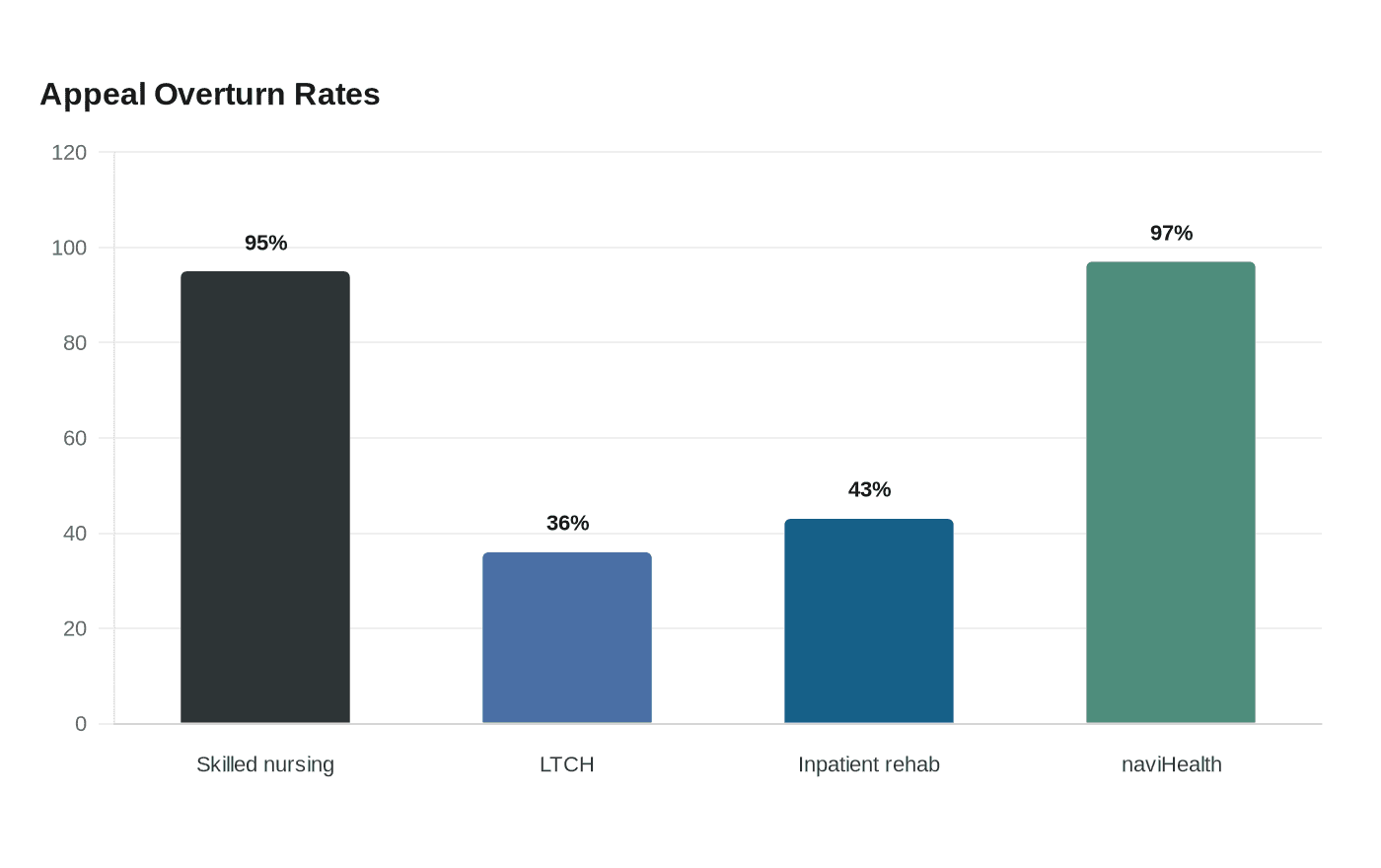
Medicare Advantage insurers denied 12% of skilled nursing facility admission requests in a June 2024 sample, then overturned 95% of the appeals. The mismatch points to a system that can stall rehab and long-term care just as older patients are leaving the hospital and need the most help.
The U.S. Department of Health and Human Services Office of Inspector General said the pattern raises concern that some enrollees were first denied medically necessary care and that many other denials were never challenged. In the sample, 19 Medicare Advantage organizations denied skilled nursing requests at rates ranging from 23% to 0.4%, showing sharp variation that the office said warranted closer scrutiny.

A companion report found similar problems in long-term care hospitals and inpatient rehabilitation facilities. The three largest Medicare Advantage organizations denied those requests at some of the highest rates in the group, and the plans overturned only 36% of long-term care hospital denials and 43% of inpatient rehabilitation denials on appeal. Inpatient rehabilitation overturn rates ranged from 14% to 86%, underscoring how inconsistent the decisions were from plan to plan.
The reports sharpen a long-running debate over prior authorization in privatized Medicare. KFF said nearly 53 million prior authorization requests were submitted to Medicare Advantage insurers in 2024, and 99% of enrollees needed approval for at least some services, including inpatient hospital stays, skilled nursing facility stays and chemotherapy. That scale gives plans enormous leverage over treatment timing and access.
Provider groups say the burden is showing up in real time. The American Medical Rehabilitation Providers Association found Medicare Advantage plans denied inpatient rehabilitation admissions more than 57% of the time in a 2024 survey, and those denials created more than 67,000 days of waiting for determinations over just two months. The group said the denial rate was higher than in 2021, despite regulatory changes that took effect in January 2024.
The scrutiny has also reached Congress. A Senate Permanent Subcommittee on Investigations report last year said the three largest Medicare Advantage insurers, UnitedHealthcare, Humana and CVS Health, used prior authorization to target skilled nursing, rehabilitation and long-term care stays. It said UnitedHealthcare’s post-acute care denial rate rose from 10.9% in 2020 to 22.7% in 2022. The inspector general also flagged naviHealth, which processed half of all skilled nursing requests in its sample, denied 14% of them and saw 97% of those denials overturned on appeal.
The findings suggest a blunt incentive in Medicare Advantage: deny first, and only a fraction of patients will fight back. For seniors recovering from hospitalization, that can mean lost days, delayed rehab and care that arrives only after an appeal.
This article was produced by Prism’s automated news system from verified source data, official records, and press releases, then run through automated quality and moderation checks before publishing. The system is built and supervised by the people who set the standards it runs under. Read our full AI policy.
Know something we missed? Have a correction or additional information?
Submit a Tip