U.S. charters $750,000 yacht to evacuate isolated American from island
A single American on a remote island triggered a $750,000 yacht charter, exposing the high public cost of rescuing citizens when rare virus scares cut off normal travel.

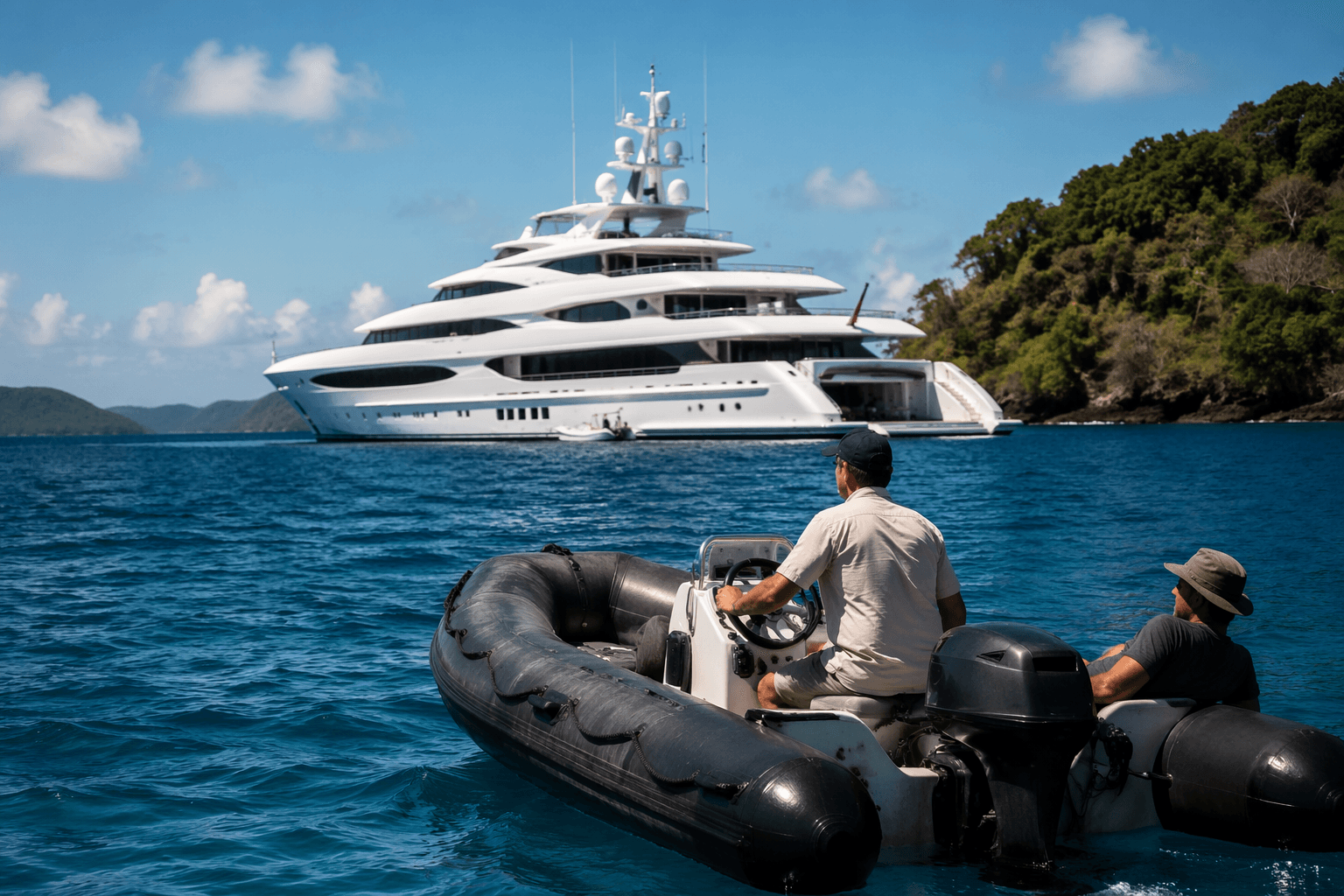
A remote South Pacific island, a single stranded American and a $750,000 private-yacht charter have become a stark measure of how expensive it can be to bring one U.S. citizen home when disease risk collides with isolation. The evacuation came after the traveler had been aboard the Dutch-flagged MV Hondius cruise ship, now at the center of a hantavirus response that has pulled in federal health officials, diplomats and quarantine experts.
The Centers for Disease Control and Prevention said June 11 that no U.S. cases had been confirmed and that the risk to the American public and travelers was extremely low. Even so, CDC said it repatriated 18 people who were potentially exposed to hantavirus and flew them to the National Quarantine Unit at the University of Nebraska Medical Center in Omaha for a 42-day monitoring period, the standard window used to watch for symptoms after exposure. As of June 11, eight remained at the Nebraska facility while 10 had returned home to finish monitoring there.
The numbers show how quickly a single cruise-ship cluster became an international public-health problem. The World Health Organization said the outbreak was first notified on May 2, 2026, and by its May 28 update it had reached 11 cases and three deaths. WHO said eight of those cases were laboratory-confirmed Andes virus infections, two were probable and one remained inconclusive. The European Centre for Disease Prevention and Control said passengers and crew aboard the Hondius came from 23 countries, including nine EU and EEA countries, underscoring how widely the vessel’s exposure net spread.
For Washington, the harder question is not whether the risk was real, but how far the government should go once an American is left isolated far from commercial transport. In this case, the answer was a private yacht and a six-figure bill, because ordinary evacuation options were limited and the public-health stakes were high enough to justify controlled movement rather than a more improvisational rescue.
The episode also highlights the logistics behind rare infectious-disease scares. Federal and state health officials, including CDC and Nebraska Medicine partners, had to coordinate quarantine beds, repatriation flights and follow-up monitoring while keeping the overall public risk low. The result was a costly but tightly managed response to a virus event that, while rare, forced the government to spend heavily to move one person from a remote island without widening the danger.
This article was produced by Prism’s automated news system from verified source data, official records, and press releases, then run through automated quality and moderation checks before publishing. The system is built and supervised by the people who set the standards it runs under. Read our full AI policy.
Know something we missed? Have a correction or additional information?
Submit a Tip