Medicare launches $50 GLP-1 bridge for weight loss coverage
Medicare’s new GLP-1 bridge will charge eligible seniors $50 a month from July 1, 2026, through Dec. 31, 2027, testing obesity coverage without fully opening it.
The first question for Medicare beneficiaries is straightforward: who qualifies for the new GLP-1 bridge, what will it cost, and how long will it last? The answer is a limited federal demonstration for eligible Medicare Part D enrollees that will begin July 1, 2026, and run through December 31, 2027, with a $50 monthly supply for certain GLP-1 drugs used for weight loss. CMS says the program will sit outside the standard Part D benefit, with one central processor handling prior authorization, claims adjudication and pharmacy payments.
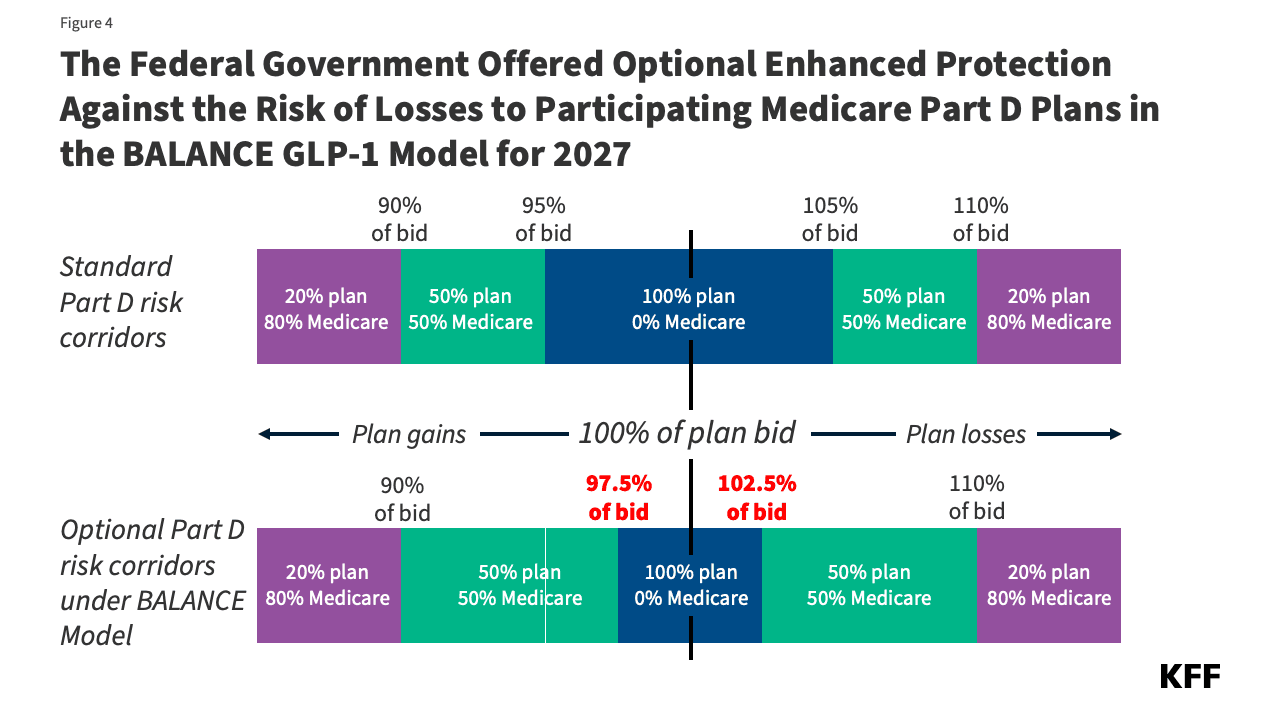
That design shows how carefully CMS is trying to thread the policy needle. Medicare law generally bars coverage of drugs used solely for weight loss, even though GLP-1 medicines are already covered for other FDA-approved uses, including type 2 diabetes, cardiovascular disease and sleep apnea. CMS has cast the bridge as a temporary fix that will feed into the longer BALANCE Model, which it announced on December 23, 2025, as a voluntary test that would let Medicare Part D plans, state Medicaid agencies and drug manufacturers negotiate lower net prices and standardized coverage terms for GLP-1 medications used for weight management and metabolic health improvement.
Eligibility is narrower than the broad pool of people with obesity. KFF reported that the bridge will be based on a body mass index of 35 or more alone, or a BMI of 27 or more plus other clinical criteria. KFF also estimated that nearly 14 million Medicare beneficiaries had overweight or obesity in 2020, although not all would meet the bridge’s stricter standards. For context, FDA obesity-treatment thresholds for Wegovy and Zepbound start at BMI 30 or greater, or BMI 27 or greater with at least one weight-related condition such as hypertension, type 2 diabetes, dyslipidemia, cardiovascular disease or obstructive sleep apnea.
The spending backdrop helps explain the caution. KFF reported that Ozempic was used by 2 million Medicare Part D enrollees in 2024, up from fewer than 150,000 in 2019, while nearly 1 million enrollees used Mounjaro in 2024, up from 54,000 in 2022. The American Medical Association said GLP-1 spending climbed from $13.7 billion in 2018 to $71.7 billion in 2023, and Wegovy spending jumped from $580 million in 2021 to $6.99 billion in 2023.
That surge is the reason the bridge comes with tight controls and a fixed copay. CMS says the program will make access simpler and more consistent, and Mehmet Oz has said it will make the drugs more affordable and accessible for seniors. But KFF warned that the $50 charge will not count toward the Part D deductible or the annual $2,100 out-of-pocket cap, and beneficiaries who use the bridge cannot apply the Part D Low-Income Subsidy to those prescriptions. KFF also said people using GLP-1s for obesity would need to be in a Part D plan participating in the later BALANCE Model to keep Medicare coverage after the bridge ends. The result is a temporary opening that could widen access, while leaving the larger fight over obesity coverage unresolved.
This article was produced by Prism’s automated news system from verified source data, official records, and press releases, then run through automated quality and moderation checks before publishing. The system is built and supervised by the people who set the standards it runs under. Read our full AI policy.
Did this article answer your question?