Memphis task force sparks debate over crime, immigration arrests
A lawsuit says Memphis agents swerved at observers, boxed in cars and tackled one man as the crime crackdown doubled as an immigration dragnet.
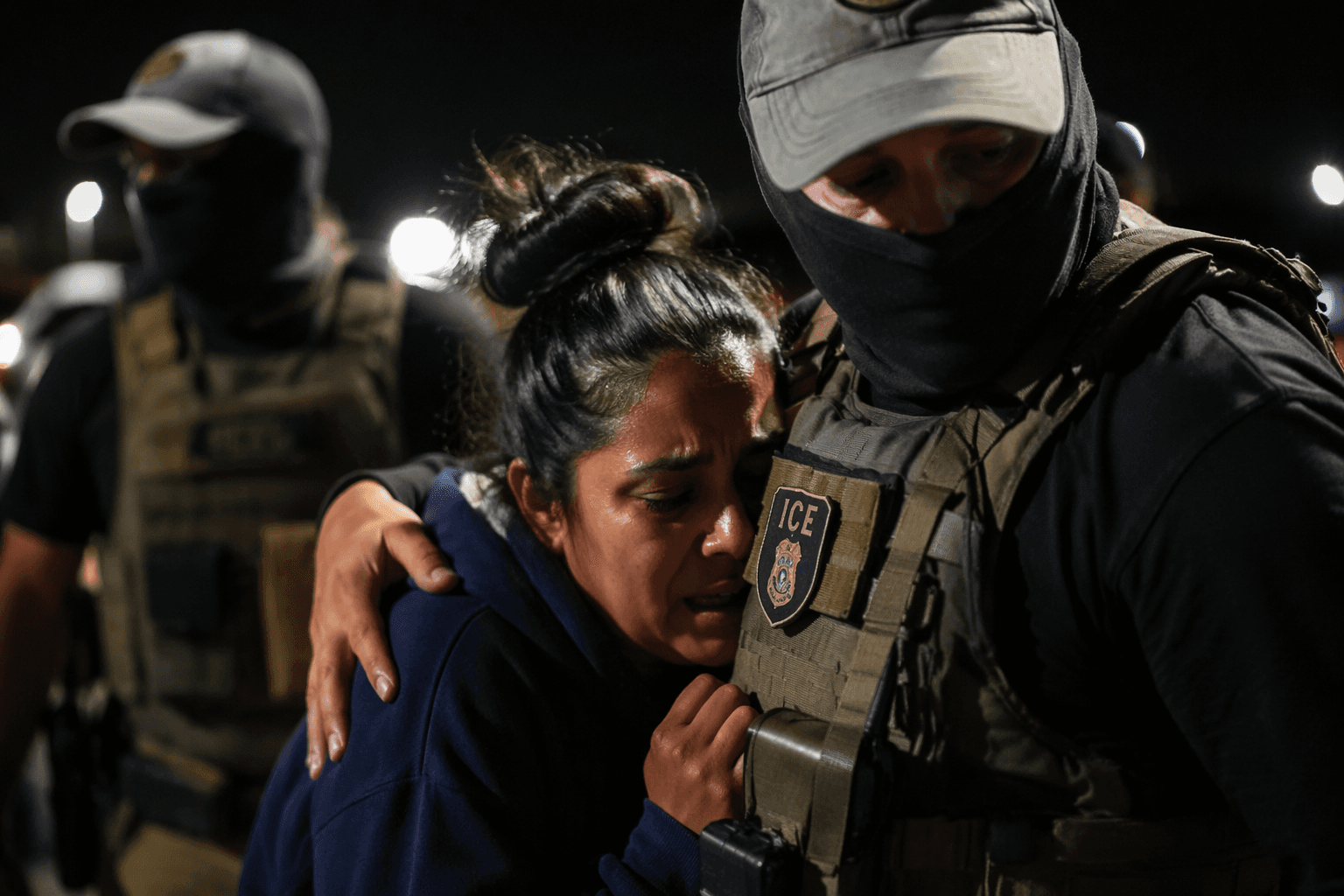
The legal fight over Memphis is turning on a basic civil-liberties question: when federal agents set out to fight violent crime, how far can they go before a public-safety sweep becomes an immigration crackdown? Four Memphis residents, backed by the American Civil Liberties Union and the ACLU of Tennessee, say the Memphis Safe Task Force has retaliated against people who tried to record enforcement activity, using vehicles to box observers in, photographing faces and license plates, and, in one case, tackling and jailing an observer for 27 hours.
President Donald J. Trump established the task force by memorandum on September 15, 2025, after the White House said Memphis had the highest violent-crime rate in the country in 2024 and had already logged 150 murders in 2025. The operation was built as a 31-agency effort, with the Memphis Police Department, Tennessee Highway Patrol, Tennessee National Guard, Immigration and Customs Enforcement, Customs and Border Protection and the U.S. Marshals Service all involved. White House materials said the model drew from the crackdown in Washington, D.C.
Supporters describe the mission as a coordinated effort to restore order. Critics say the results have blurred the line between criminal enforcement and immigration policing, especially in neighborhoods already wary of federal intervention. ProPublica and MLK50: Justice Through Journalism reported that Memphis crime had actually fallen steadily since 2023 and reached a 25-year low before the surge began. In the task force’s first four months, the reporting found more than 5,200 arrests, the vast majority for nonviolent offenses.
The immigration side of the operation has drawn particular scrutiny. ProPublica reported that about four out of five immigration arrests followed traffic stops, and the ACLU of Tennessee later said 87.6% of the task force’s 662 immigration-related arrests between October and December began that way. Advocates say that pattern has frightened immigrant and Black families, driven children into fear of raids and pushed some businesses to lose customers as residents stay away from busy corridors and neighborhood streets.
Federal prosecutors have moved quickly alongside the operation. The U.S. Attorney’s Office for the Western District of Tennessee said that from October 1, 2025 through December 31, 2025, it charged 195 defendants tied to the task force and approved or issued more than 130 search warrants. It also said 14 defendants were charged with assaulting, resisting or impeding federal law enforcement officers. In January 2026, the Justice Department assigned 20 military lawyers as special assistant U.S. attorneys to help prosecute task-force cases.

The lawsuit also challenges Tennessee’s Halo Law, which the ACLU says has been used to criminalize standing within 25 feet of an officer after one warning, even when no scene is being disrupted. That challenge has pushed Memphis into a larger national test of how aggressively the federal government can merge crime fighting with immigration enforcement without crossing constitutional lines.
This article was produced by Prism’s automated news system from verified source data, official records, and press releases, then run through automated quality and moderation checks before publishing. The system is built and supervised by the people who set the standards it runs under. Read our full AI policy.
Did this article answer your question?