MenB vaccine offered to Weymouth youths after meningitis outbreak confirmed
Three Weymouth young people were confirmed with the same MenB strain, prompting vaccines and antibiotics for school years 7 to 13 across the area.
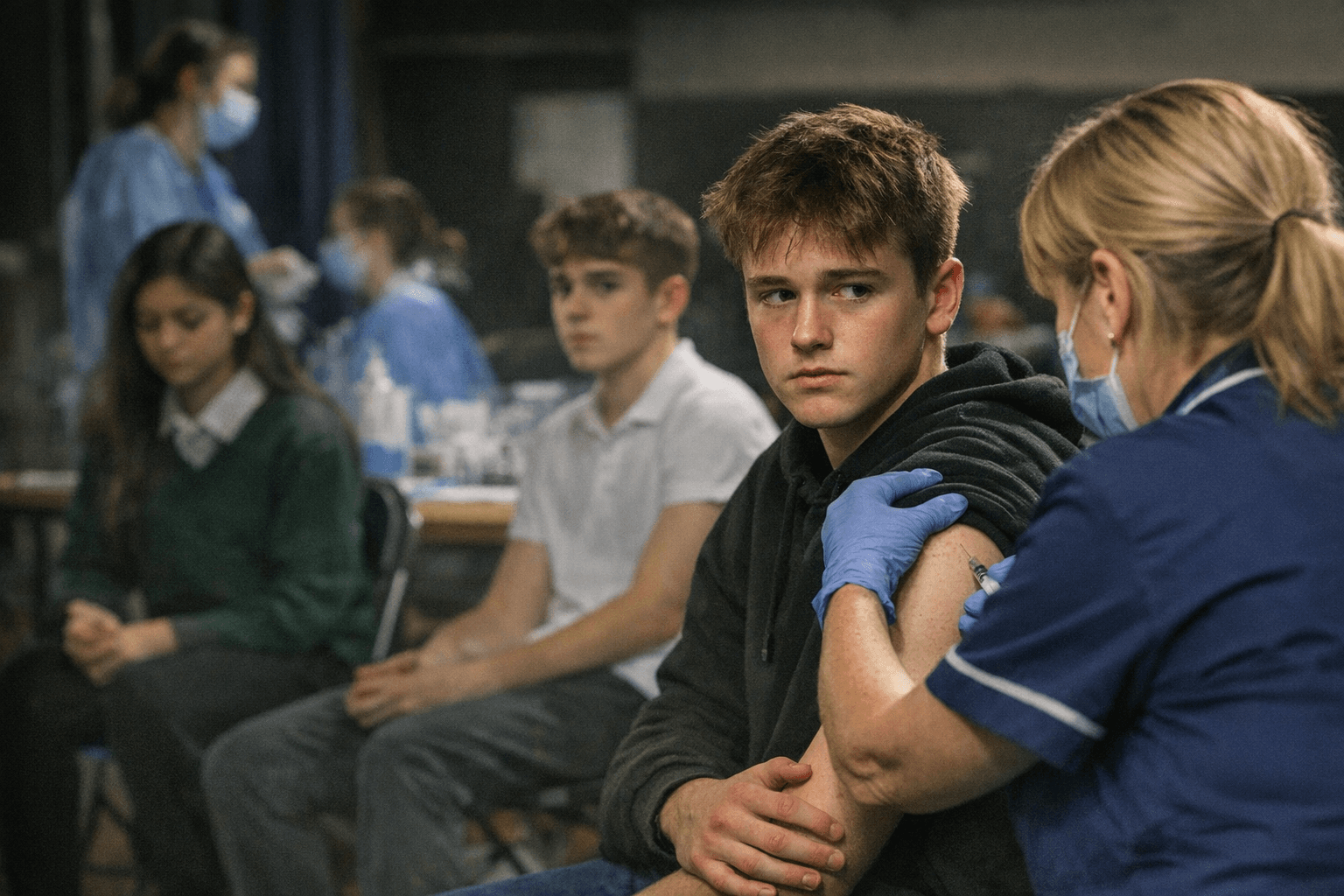
Young people in Weymouth who are in school years 7 to 13 are being offered the MenB vaccine and antibiotics after three local cases of meningitis B were confirmed between 20 March and 15 April. Families are being told to watch for the warning signs of meningitis, including sudden fever, headache, vomiting, rash or a stiff neck, because the illness can escalate quickly and needs urgent medical attention.
The cases involved three young people in Weymouth, Dorset. Two pupils at Budmouth Academy were confirmed first and are linked through a shared social network, with laboratory testing showing they had the same MenB strain. A third young person at Wey Valley Academy in Broadwey was later confirmed with the same strain. Dorset Healthcare NHS Foundation Trust said there is still no confirmed epidemiological link between the Budmouth Academy cases and the Wey Valley Academy case, which may mean this strain is circulating more widely among young people in Weymouth.
The response is being coordinated by the UK Health Security Agency with Dorset Council, the NHS and local partners. It includes antibiotics and a targeted MenB vaccination offer across parts of Dorset, with the vaccine being made available to young people in the Weymouth area rather than only to those directly connected to the three cases. All three young people have been treated and are recovering well.
Officials say the Dorset cases are not linked to the recent outbreak in Kent and are not showing the same speed of transmission or severity of illness. That distinction matters. A cluster of three cases can be enough to trigger a public-health response when the cases involve the same strain, affect linked school communities and suggest possible spread beyond one household or one classroom.
Meningococcal disease remains uncommon, with around 300 to 400 cases diagnosed in England each year, but it can be devastating when it takes hold. The MenB vaccine, Bexsero, was added to England’s routine childhood immunisation programme on 1 September 2015 and has been associated with a 75% reduction in MenB disease in vaccinated groups. It is routinely offered in infancy at 8 weeks, 12 weeks and 1 year, but older children and teenagers are not usually offered it unless a local outbreak demands a broader response. In Weymouth, health teams are using that tool now to try to stop the strain from spreading further.
This article was produced by Prism’s automated news system from verified source data, official records, and press releases, then run through automated quality and moderation checks before publishing. The system is built and supervised by the people who set the standards it runs under. Read our full AI policy.
Did this article answer your question?