Mentally Active Sitting May Lower Dementia Risk, 19-Year Study Finds
Swap TV time for reading or knitting: a 19-year study of 21,000 adults found mentally active sitting cuts dementia risk, even in people who already exercise.
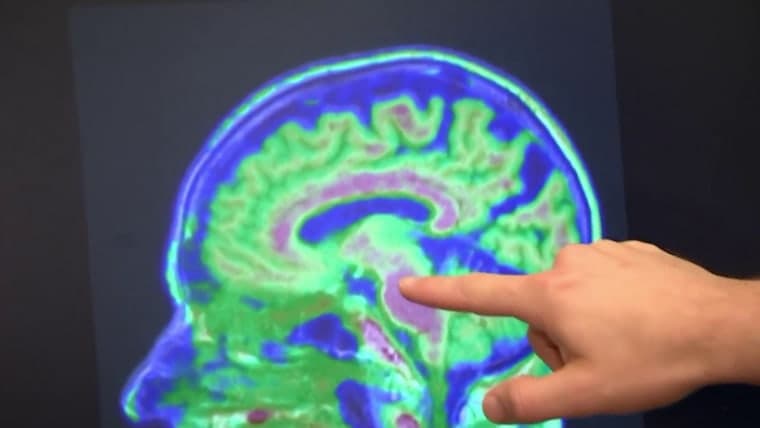
You could be hitting the gym three times a week and still be increasing your dementia risk every time you sink into the couch for passive television watching. That is the counterintuitive finding from a 19-year study of about 21,000 Swedish adults, which found that regular exercise does not fully neutralize the cognitive harm associated with mentally passive sitting.
The research, published in the American Journal of Preventive Medicine, draws a sharp distinction that public health guidance has largely ignored: not all sedentary time is equivalent. Watching television, listening to music, and sitting in a bathtub were classified as mentally passive activities and linked to higher dementia risk. Reading a book, doing office work, knitting, sewing, and sitting in a meeting were classified as mentally active and associated with a measurable reduction in risk.
"Sedentary behavior is a ubiquitous but modifiable risk factor for many health conditions, including dementia," said lead investigator Mats Hallgren, PhD, a researcher at the Karolinska Institute in Stockholm. "Our study adds the observation that not all sedentary behaviors are equivalent; some may increase the risk of dementia, while others may be protective. It is important to remain physically active as we age, but also mentally active, especially when we are sitting."
The study drew on the Swedish National March Cohort, with baseline questionnaires completed by adults aged 35 to 64 across 3,600 cities and villages throughout Sweden. The sample was nearly 70 percent women. Dementia cases were identified over the following 19 years through linkage to the Swedish National Patient Register and the Cause of Death Register.
Using statistical substitution models, the research team examined what happened when passive sitting time was replaced with an equivalent duration of mentally active sitting. The association with lower dementia risk held even when researchers kept levels of light physical activity and moderate-to-vigorous exercise constant, meaning the cognitive benefit of engaged sitting appeared independent of how much participants moved. Hallgren called the finding "significant because we have identified what appears to be a novel risk factor for dementia."
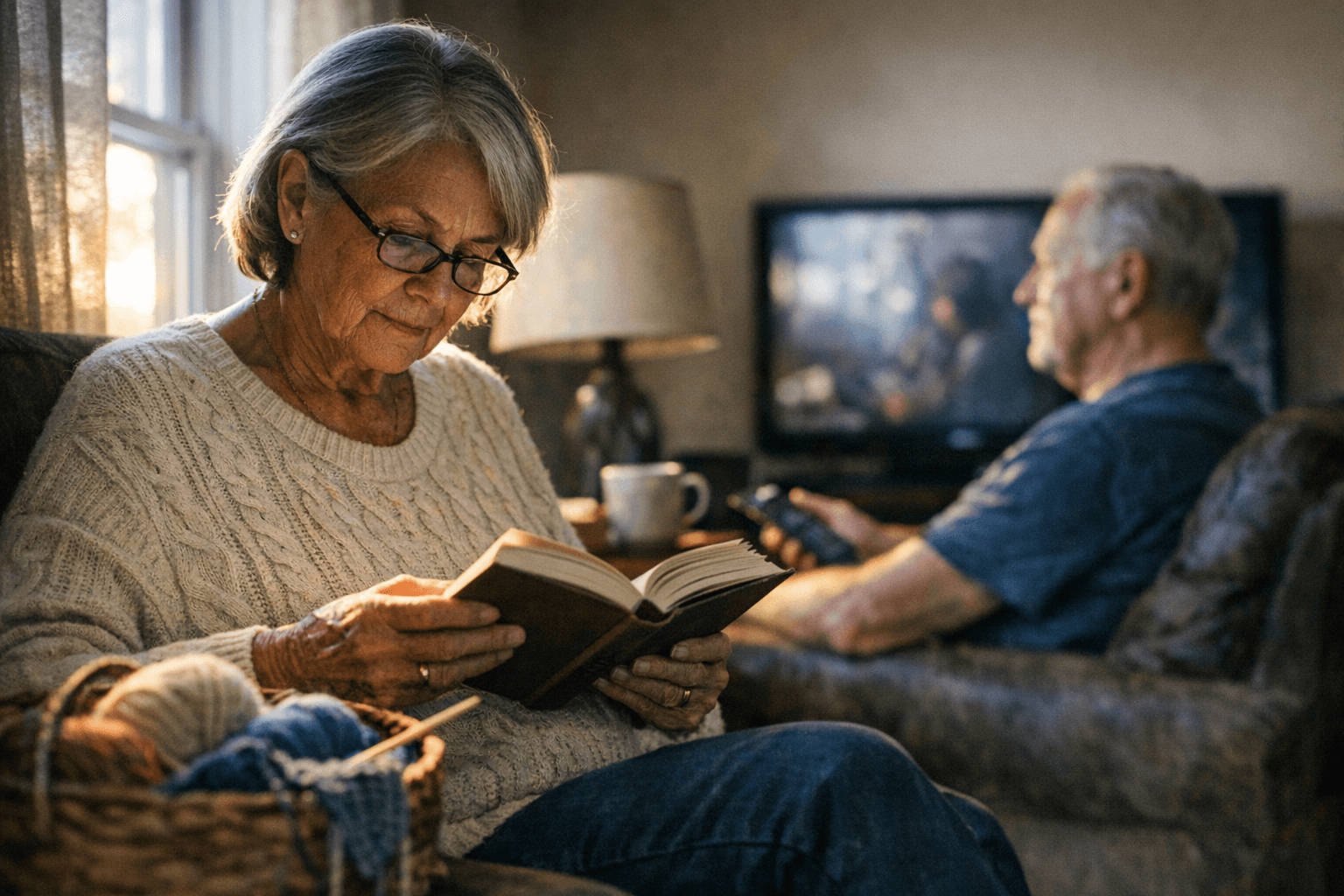
The practical implication is direct: if total sitting time cannot be reduced, changing what happens during that time matters. Swapping an hour of television for reading, a craft like knitting, or a work task was associated with reduced later-life dementia risk in the cohort data. Because the surveys spanned 3,600 communities across Sweden, the authors believe the results are likely generalizable beyond Scandinavia.
One important limitation: the exposure data came from questionnaires administered in 1997, which did not capture the sedentary behaviors now central to modern life, including social media scrolling, video streaming, and smartphone use. Whether those activities fall closer to the passive or active end of the cognitive spectrum remains an open question, and the observational design means that unmeasured factors, such as differences in education or baseline cognitive engagement, could partly explain the associations found.
Hallgren acknowledged the design cannot settle the question of cause and effect. "The prospective study design allowed us to establish the direction of these relationships and infers but does not establish causality," he said. "Controlled trials are needed to confirm these important observational study findings."
The research was conducted by André O. Werneck, Michael J. Wheeler, David W. Dunstan, Neville Owen, Ylva Trolle Lagerros, and Hallgren, and is available as an open-access paper in the American Journal of Preventive Medicine at DOI: 10.1016/j.amepre.2026.108317.
This article was produced by Prism’s automated news system from verified source data, official records, and press releases, then run through automated quality and moderation checks before publishing. The system is built and supervised by the people who set the standards it runs under. Read our full AI policy.
Did this article answer your question?