Mercedes-Benz refreshes EQS with 575-mile range, faster charging, major upgrades
Mercedes gave the EQS a 575-mile headline range and 10-minute fast charging, but the real test is whether those specs widen EV adoption.
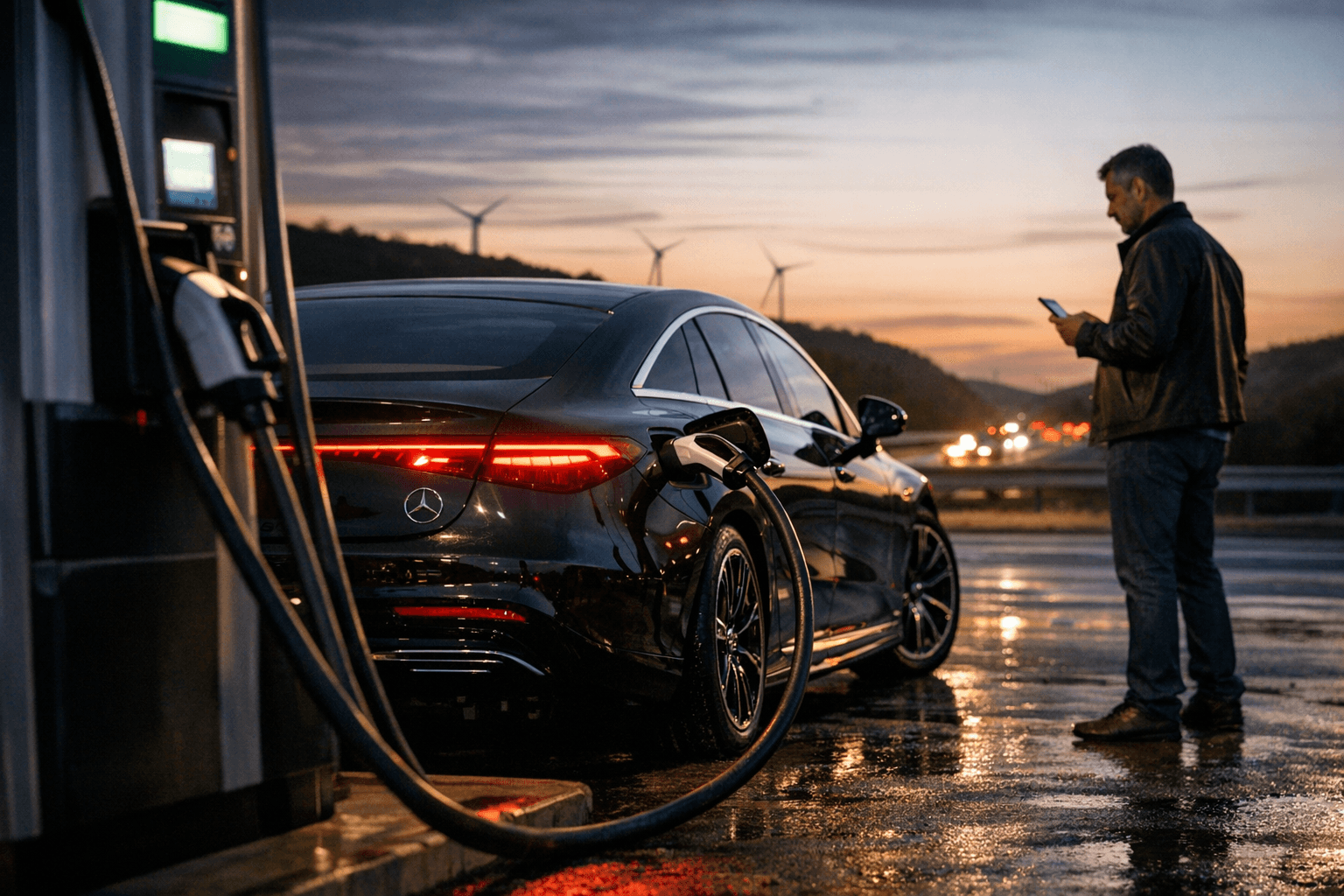
Mercedes-Benz has turned the EQS into more than a facelift, betting that bigger numbers on range and charging can help reset the conversation around luxury electric cars. The company said more than a quarter of the sedan’s components were newly developed, updated or refined, and the refreshed model now rides on an 800-volt architecture with MB.OS software, new in-house electric drive units and a two-speed rear transmission.
The headline figure is a claimed 925 km WLTP range, or about 575 miles, for the EQS 450+. Mercedes also said the car can add up to 320 km, or roughly 199 miles, in 10 minutes on a DC fast charger rated up to 350 kW. For buyers who still worry about range anxiety and charging downtime, those are eye-catching numbers. They also show where the premium EV market is headed: not just toward longer range, but toward charging speeds that begin to rival the convenience of gasoline.
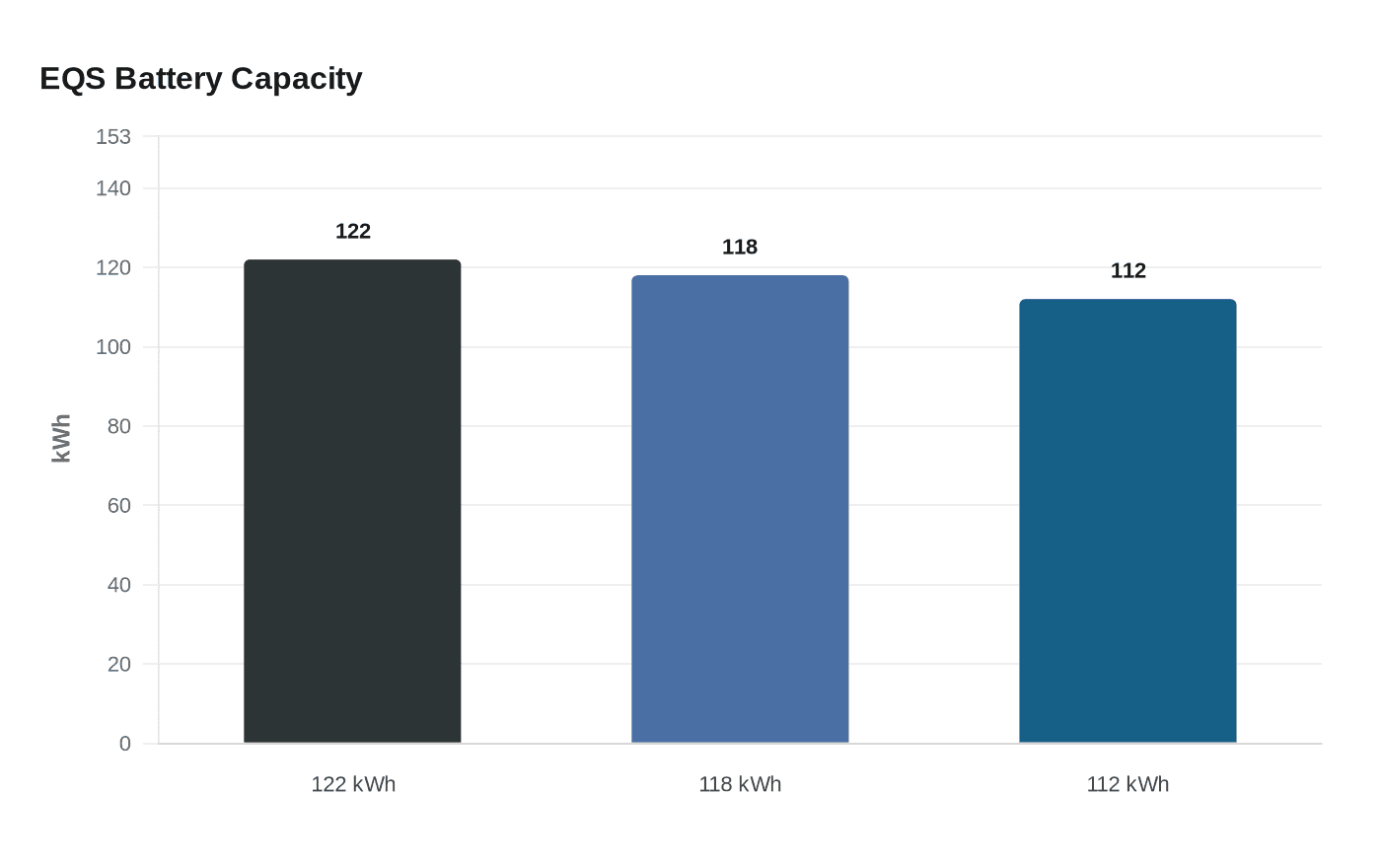
The update reaches beyond the battery and powertrain. Mercedes said the higher-trim versions now use a 122 kWh usable battery, up from 118 kWh, while the entry-level EQS 400 comes with a 112 kWh usable pack and 270 kW output. The lineup now spans four versions: EQS 400, EQS 450+, EQS 500 4MATIC and EQS 580 4MATIC. Mercedes also added steer-by-wire, making the EQS the first German series-production car to offer the technology.
The rollout began in Germany, where orders opened on April 14, 2026, and series production started the same month at Mercedes-Benz’s Sindelfingen Factory 56. Pricing in Germany starts at €94,403 for the EQS 400. U.S. dealership arrivals are scheduled for the second half of 2026.
That timeline matters because the EQS is not just another model refresh. Mercedes launched the original 2021 EQS as its first all-electric luxury sedan and once promoted it as the world’s most aerodynamic production car, with a drag coefficient as low as 0.20. Now the company is signaling that the nameplate may be on borrowed time: there is no plan for a second-generation EQS, and the next S-Class is expected to carry both combustion and electric versions. That makes this overhaul a strategic last stand as much as a product update, a bid to prove that luxury EVs can still lead on technology, range and long-distance usability.
This article was produced by Prism’s automated news system from verified source data, official records, and press releases, then run through automated quality and moderation checks before publishing. The system is built and supervised by the people who set the standards it runs under. Read our full AI policy.
Did this article answer your question?

