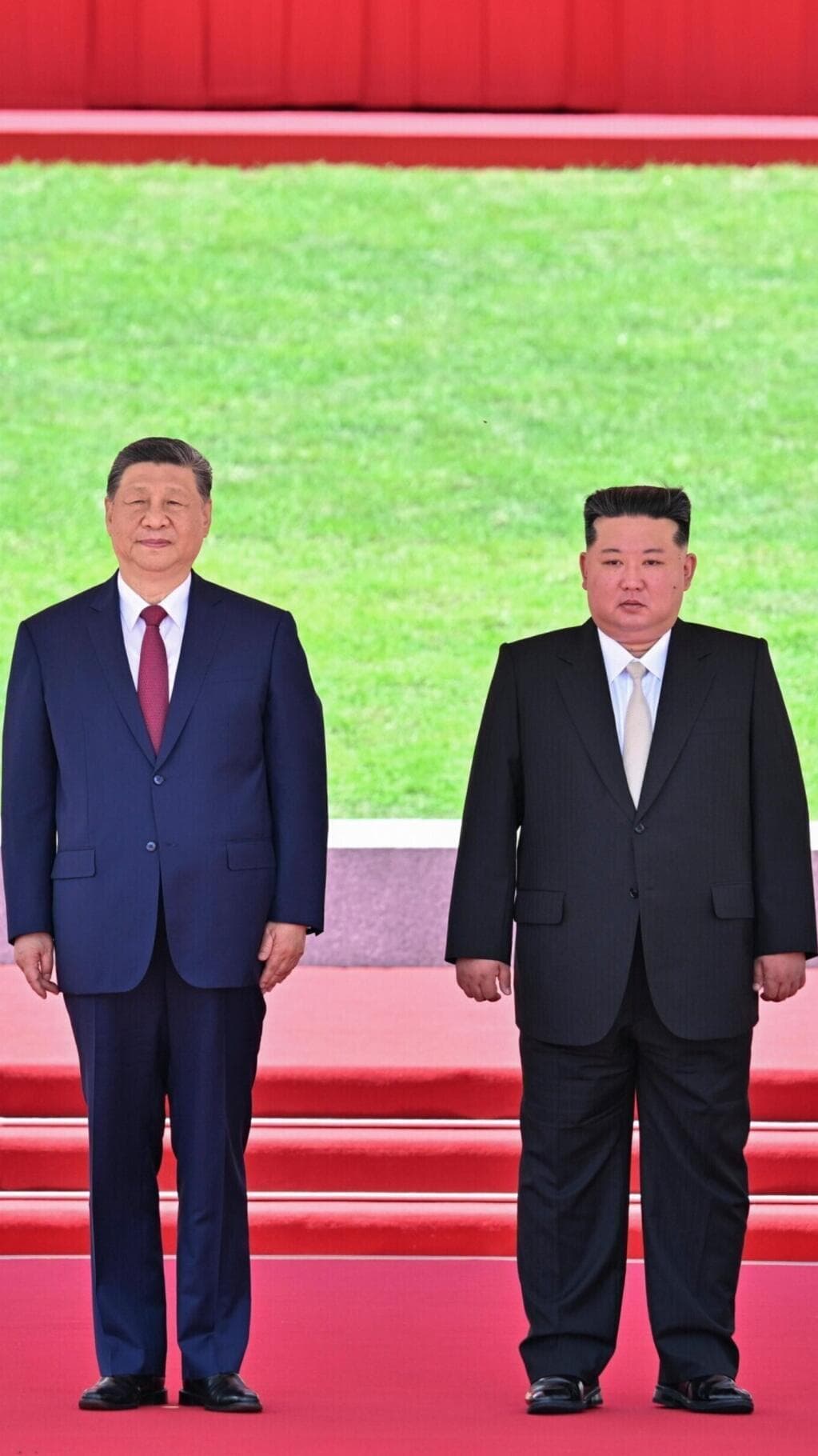
Merz and Macron say Europe’s FCAS fighter jet project is stuck
Merz and Macron said FCAS’s fighter jet is stuck as the drone and data-network pieces live on. The dispute now tests Europe’s defense autonomy.

Europe’s flagship bid for a homegrown combat jet has run into a political and industrial wall. Friedrich Merz and Emmanuel Macron concluded that the companies behind the Future Combat Air System could not reach agreement on the fighter component, leaving the project’s most sensitive piece stalled while its drone and data-network elements may still move ahead. The split is more than a corporate feud: it strikes at Europe’s ambition to build military capability on its own terms instead of leaning harder on imported systems.
FCAS, also known in French as SCAF, was launched in 2017 as a Franco-German project and later expanded to include Spain. It was designed as a system-of-systems program, built around a New Generation Fighter, remote carriers or drones, and a combat cloud or data network, with a target of sixth-generation capability by 2040. The long-term goal is to replace France’s Rafale and the Eurofighter Typhoon, making the project central to Europe’s air-power plans for decades.
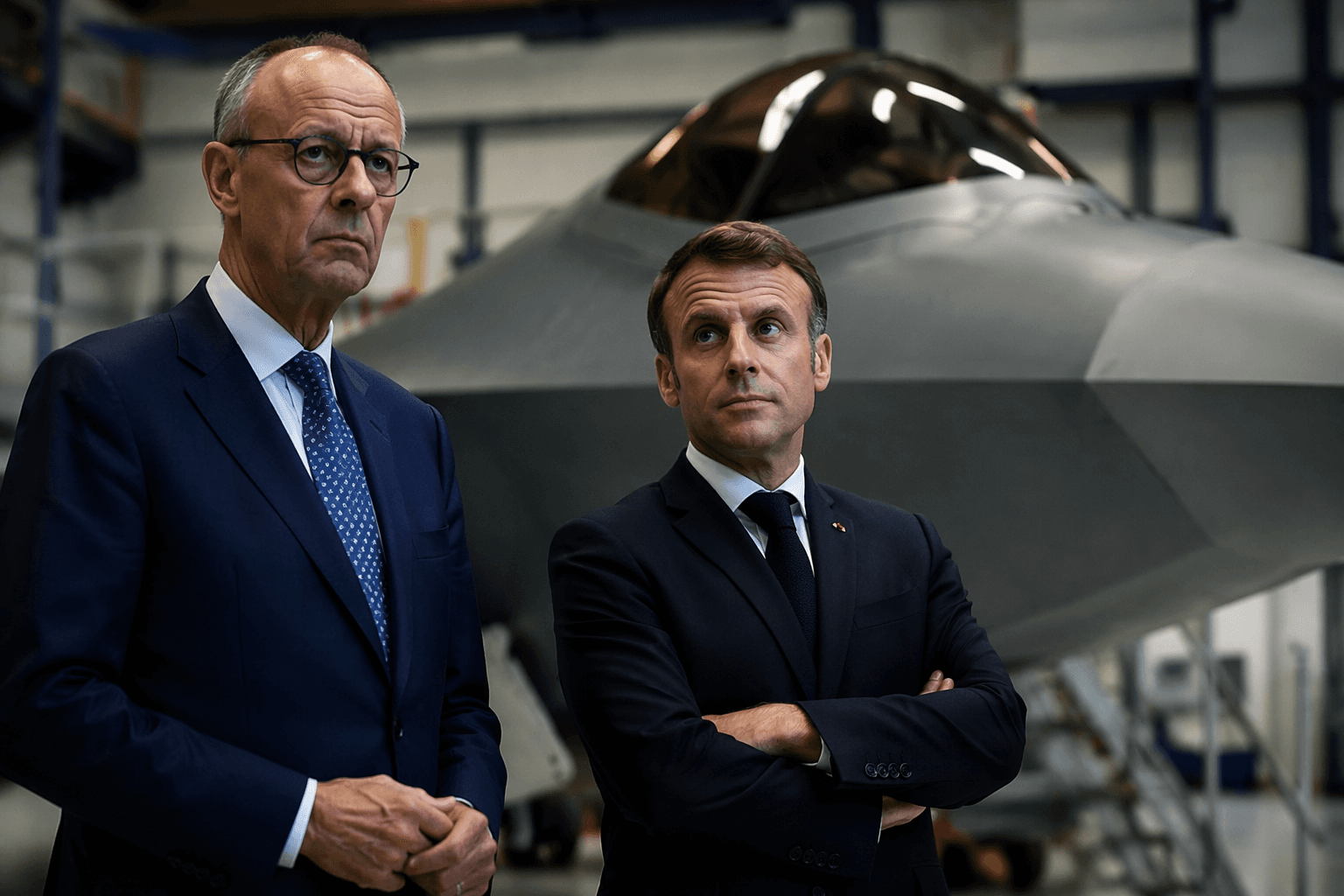
The dispute has centered on industrial leadership, workshare and control, especially between Dassault Aviation and Airbus Defence and Space, with Spain’s Indra also part of the broader structure. By spring 2026, mediation efforts had failed to bridge the gap, and in February 2026 Merz publicly questioned Germany’s participation, saying Berlin could look beyond France for other partners if the disagreement was not resolved. That was a warning sign; now the leaders have effectively acknowledged that the companies themselves could not settle the terms.
The immediate danger is that Europe’s effort to strengthen defense self-sufficiency could be weakened by the very rivalry meant to deliver it. If the fighter component is paused or abandoned, governments may have to rely longer on existing aircraft, imported platforms or narrower national programs. In a continent where defense spending has moved to the center of policy after Russia’s full-scale invasion of Ukraine, that would leave a strategic gap just as Europe is trying to build more credible deterrence.
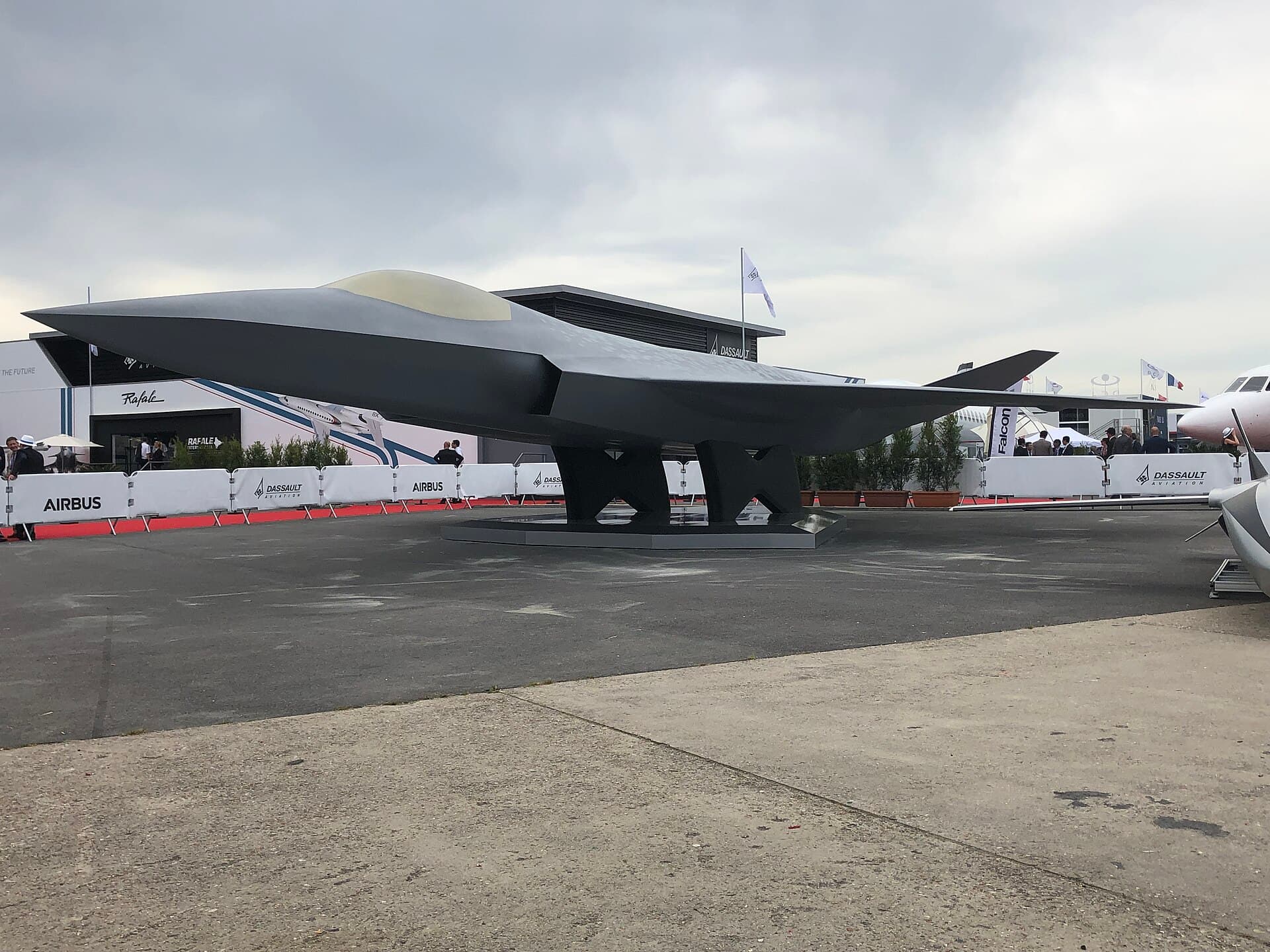
Some reporting has put the program’s long-term cost at about €100 billion, underscoring how much is at stake if the main aircraft effort fractures. Preserving the drone and data-network pieces may salvage part of the vision, but it also highlights the deeper problem: Europe can announce grand defense ambitions, yet Franco-German industrial rivalry may still be the bigger obstacle than any external threat.
This article was produced by Prism’s automated news system from verified source data, official records, and press releases, then run through automated quality and moderation checks before publishing. The system is built and supervised by the people who set the standards it runs under. Read our full AI policy.
Know something we missed? Have a correction or additional information?
Submit a Tip