Merz calls for EU budget overhaul, prioritizes defense and competitiveness
Merz turned Draghi’s honor in Aachen into a warning shot, demanding an EU budget that shifts money from subsidies to defense and competitiveness.

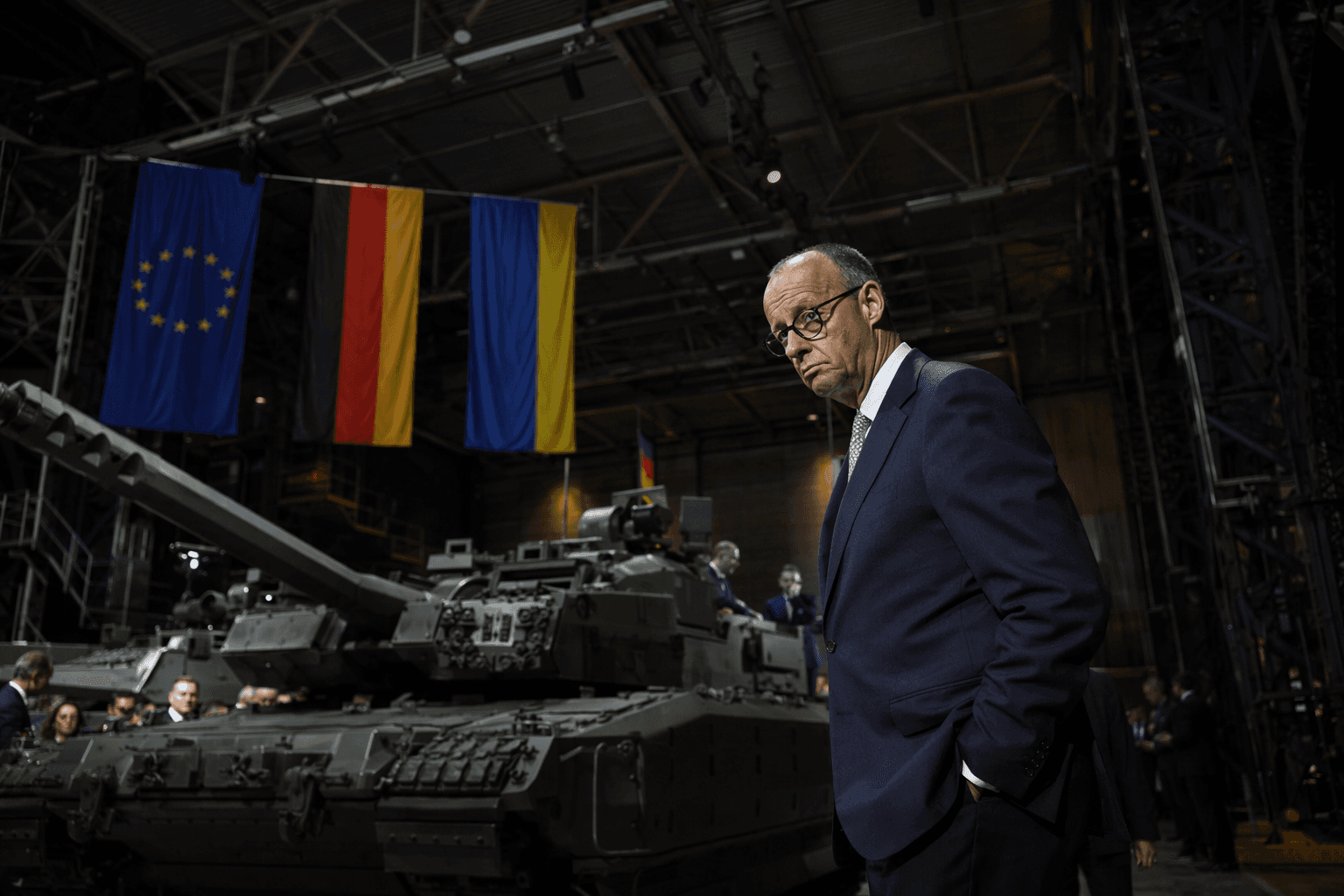
Friedrich Merz used a ceremonial stage in Aachen to launch a political fight over the European Union’s next long-term budget, arguing that Europe can no longer match today’s security and industrial pressures with an old spending model. At the Charlemagne Prize ceremony, where Mario Draghi was honored, the German chancellor cast the coming 2028-2034 budget battle as a test of priorities, power and who pays for Europe’s ambitions.
Merz said the bloc needs a sharper, more strategic budget and warned that “A sovereign Europe needs a 'Draghi-proofed' budget.” His point was not bookkeeping but direction: money should move toward defense and competitiveness, not remain locked inside the EU’s traditional spending patterns. He said Europe cannot meet 21st-century challenges with a 20th-century budget.
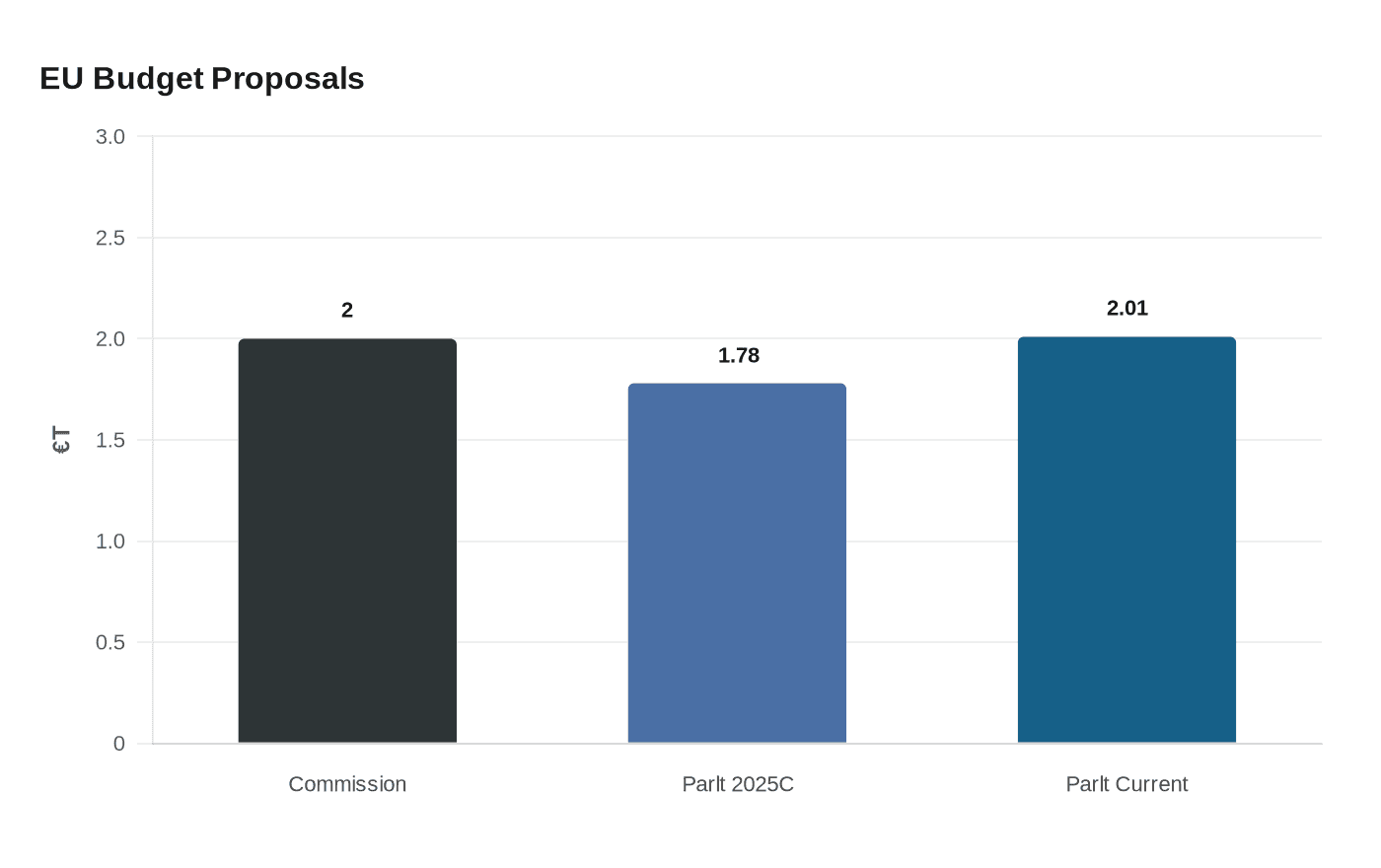
That argument lands directly in the middle of the Commission’s July 16, 2025 proposal, which set out an almost €2 trillion multiannual financial framework, equal to about 1.26% of EU gross national income on average. The plan also earmarks about €149.3 billion for repayment of NextGenerationEU debt and would reshape the budget from seven headings and two sub-headings into four, a design meant to make EU spending more dynamic but one that has already raised alarms among lawmakers and capitals that fear losing control over established programs.
The likely losers in a Merz-style overhaul are clear: farm subsidies and regional development aid, the two pillars that have long anchored the EU budget and that the Commission proposal already cut back compared with the current cycle. The likely winners are defense, industrial policy and competitiveness spending, especially if Brussels continues to argue that Europe’s strategic autonomy requires a different fiscal mix. Merz said more than two-thirds of the EU budget currently goes to subsidies, while some member states are spending more on debt service than on defense.
The clash is also national. Merz rejected European joint borrowing and said Germany opposes using new debt to cover regular spending, citing constitutional limits in Berlin. That puts him on a collision course with Emmanuel Macron, who has pressed for debt-financed investment so Europe can keep pace with the United States and China.
The European Parliament has already pushed in the other direction from the Commission, with its Budgets Committee adopting an interim report on April 14, 2026 that called for a larger package of €1.78 trillion in 2025 constant prices, or €2.01 trillion in current prices, about 1.27% of EU GNI and roughly €175.11 billion more in nominal terms than the Commission’s plan. Parliament also wants distinct funding for EU priorities, stronger democratic oversight, and explicit respect for EU values and the rule of law.
The fault lines are now visible: Germany and other frugal governments do not want to pay more, while the Parliament and several member states want the EU to spend more on security and competitiveness. The next budget fight will decide whether the bloc stays a system built around legacy transfers or becomes a more centralized instrument for strategic power.
This article was produced by Prism’s automated news system from verified source data, official records, and press releases, then run through automated quality and moderation checks before publishing. The system is built and supervised by the people who set the standards it runs under. Read our full AI policy.
Did this article answer your question?